Beekeeping gloves serve three fundamental functions: protecting your hands from stings to preserve fine motor skills, shielding your skin from sticky substances like honey and pollen, and preventing the spread of diseases between hives. As your hands are your most critical tool in the apiary, keeping them functional and hygienic is essential for successful hive management.
While physical protection is the obvious benefit, the deeper value of beekeeping gloves is operational continuity. By preventing the swelling caused by stings and acting as a barrier against disease, gloves allow you to maintain the dexterity required to work hives effectively while minimizing biological risks to your colonies.
The Critical Roles of Hand Protection
Preserving Motor Function
The most immediate purpose of gloves is to prevent stings. A sting on the hand does not just cause pain; it often results in significant swelling.
This swelling can severely impair mobility and fine motor skills for up to a day. By preventing these injuries, gloves ensure your hands remain fully functional for the delicate tasks required in beekeeping.
Maintaining Apiary Hygiene
Beyond sting prevention, gloves act as a shield against the messier aspects of the hive. They protect your skin from direct contact with sticky honey and pollen.
This keeps your hands clean and reduces the need for aggressive scrubbing after a session, allowing for a more seamless transition out of your gear.
Blocking Disease Transmission
A frequently overlooked but vital purpose of gloves is disease control. They serve as a sanitary barrier between the beekeeper and the colony.
By using gloves—and managing them correctly—you help prevent the accidental transfer of bee diseases from one hive to another.
Psychological and Operational Benefits
Enhancing Confidence and Calm
Wearing gloves provides a psychological safety net, particularly for newer beekeepers. The assurance of protection allows you to handle the bees with greater confidence.
This is operationally important because bees react to the beekeeper's demeanor. A calm, confident beekeeper tends to induce less agitation in the colony, leading to a smoother inspection.
Improving Grip and Fit
Properly fitting gloves can actually aid in handling equipment. Unlike suits which should be roomy, gloves are designed to fit snugly to prevent sliding.
Quality gloves often feature extended gauntlets that cover the forearm. This ensures there are no gaps at the wrist where bees could enter, securing the connection between your hand and your suit.
Understanding the Trade-offs
The Dexterity vs. Protection Conflict
While gloves offer protection, they introduce a significant trade-off regarding dexterity. The thickness required to stop a stinger often makes it difficult to feel and handle delicate items.
Thick gloves can make it harder to manipulate frames or hive tools precisely. This lack of tactile feedback can sometimes lead to clumsiness, potentially agitating bees if frames are dropped or bees are accidentally crushed.
Ventilation vs. Durability
Ventilated gloves offer a solution for comfort in hot climates by using mesh panels to increase airflow and reduce moisture.
However, this comfort comes at a cost. The mesh areas are generally less durable than solid leather and may not provide the same level of sting protection as a fully non-ventilated glove.
Making the Right Choice for Your Goal
Selecting the right approach depends on prioritizing which "purpose" matters most to your current operation.
- If your primary focus is maximum protection: Prioritize thick leather gloves with extended gauntlets to eliminate the risk of swelling and lost motor function.
- If your primary focus is disease management: Treat your gloves as a bio-security tool, ensuring they are cleaned or changed between hives to stop cross-contamination.
- If your primary focus is precision and dexterity: Choose a snug-fitting glove to minimize bulk, or consider ventilated options if you can accept a slightly higher risk of stings for better comfort.
Ultimately, the goal is to find a balance where your hands remain protected enough to work without fear, yet agile enough to work without clumsiness.
Summary Table:
| Feature | Primary Purpose | Key Benefit |
|---|---|---|
| Sting Protection | Prevent swelling and pain | Preserves fine motor skills and hand mobility |
| Hygiene Barrier | Shield against honey/pollen | Keeps hands clean and reduces post-work cleanup |
| Bio-security | Block disease transmission | Prevents cross-contamination between bee colonies |
| Psychological | Boost beekeeper confidence | Promotes calmer handling and reduces bee agitation |
| Equipment Fit | Secure wrist/arm gap | Prevents bees from entering suit via extended gauntlets |
Elevate Your Apiary Operations with HONESTBEE
At HONESTBEE, we understand that your hands are your most valuable tools. As a premier partner for commercial apiaries and distributors, we provide more than just protection—we provide operational excellence. From durable, high-dexterity beekeeping gloves to industrial-grade honey-filling machines and specialized hive-making hardware, our comprehensive wholesale portfolio is designed to scale your business.
Why partner with HONESTBEE?
- Full Spectrum Supply: Everything from essential consumables to advanced beekeeping machinery.
- Commercial Grade Quality: Equipment built to withstand the rigors of professional beekeeping.
- Global Distribution Support: Tailored solutions for distributors and large-scale honey producers.
Ready to equip your business with the industry's best? Contact our expert team today to discuss our wholesale offerings and how we can support your growth.
Related Products
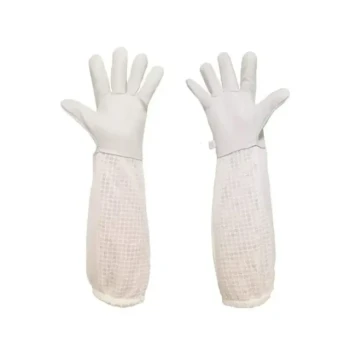
- Beekeeping Gloves Goatskin Leather with Long Cotton Sleeve for Beekeepers
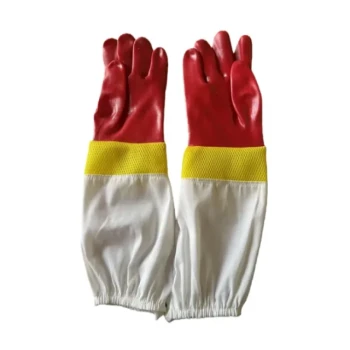
- Heavy Duty Red Rubber Beekeeping Gloves with Vented Mesh Cotton Sleeves
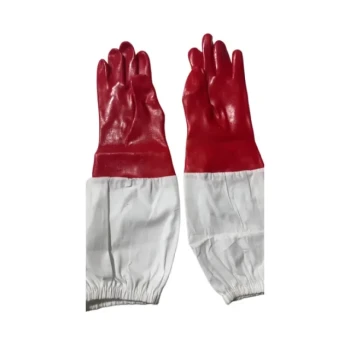
- Heavy Duty Red Rubber Beekeeping Gloves with Extended Pure Cotton Sleeves for Beekeepers
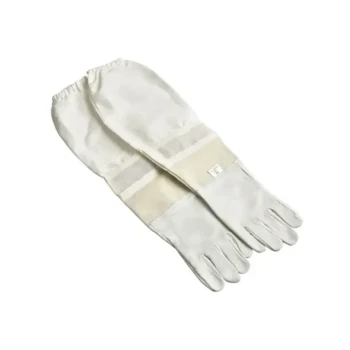
- Goatskin Leather Beekeeper Gloves with Vent Long Sleeve for Beekeeping Honey Bee Sting Proof Protection
- Premium Ventilated Goatskin Beekeeping Gloves with Full 3-Layer Mesh Sleeve
People Also Ask
- What are the characteristics of the best gloves for beekeeping? Choose Protection & Dexterity
- What types of gloves are available for beekeeping? Choose the Right Protection for Your Hive
- Why is it important for beekeepers to wear gloves? Essential Safety and Confidence for Hive Management
- Why do some experienced beekeepers opt not to wear gloves? Discover the Benefits of Tactile Precision
- What types of gloves are used in beekeeping for hand protection? Choose the Best Gear for Safety and Dexterity