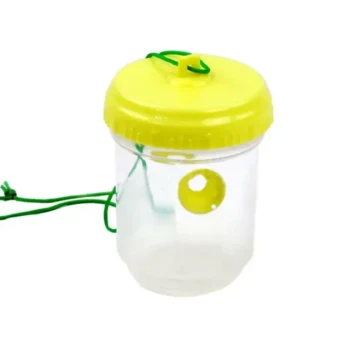
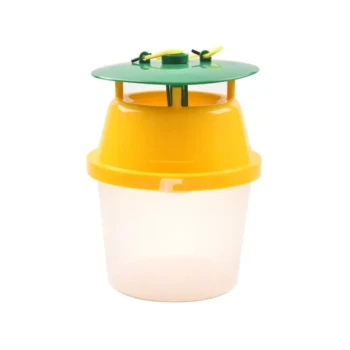
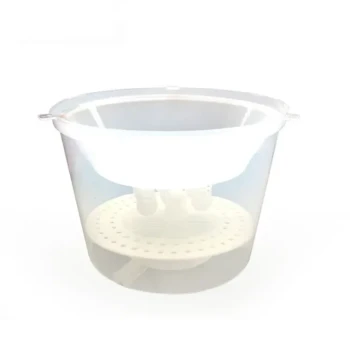
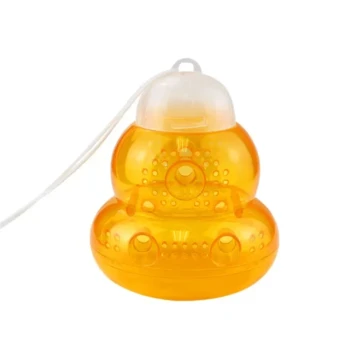
Selective filtration is the primary purpose. The solid sealing cap with 3mm lateral holes functions as a physical barrier based on the principle of size exclusion. It allows small Varroa mites to pass freely into the trap while blocking larger honey bees, preventing them from accessing the internal adhesive or capture mechanism.
By utilizing a precise 3mm diameter for entry points, this design achieves critical selectivity: it captures the target pest without endangering the bee colony, ensuring the trap remains effective and safe for the hive.
The Mechanics of Size Exclusion
How the 3mm Specification Works
The effectiveness of the trap relies on the specific calibration of the entry holes.
The 3mm diameter is scientifically selected to accommodate the small physical dimensions of Varroa mites.
Simultaneously, this dimension is too narrow for the anatomical structure of a honey bee. This forces a physical separation between the predator (the mite) and the host (the bee).
Protecting the Colony from Adhesive
Most mite traps utilize a sticky surface or active agent to retain the pests once they enter.
Direct contact with this adhesive would be fatal to honey bees.
The solid sealing cap acts as a shield. By forcing entry only through the lateral holes, it guarantees that bees cannot accidentally land on or crawl into the trapping medium.
Operational Safety and Efficiency
Ensuring Targeted Pest Control
Efficiency in pest management requires targeting only the harmful organism.
Without a physical filter, traps often suffer from "bycatch," where beneficial insects are killed alongside pests.
This design ensures the selectivity of the control process, directing the trap's impact solely toward the invasive mites.
Minimizing Stress on the Hive
A trap that captures bees creates stress and reduces the colony's workforce.
By mechanically excluding bees, the colony remains undisturbed.
This allows the beekeeper to treat the infestation without compromising the overall health or productivity of the hive.
Important Trade-offs to Consider
Potential for Obstruction
While the 3mm hole is ideal for exclusion, small apertures are susceptible to blockage.
Debris, wax, or propolis (bee glue) can occasionally clog these lateral holes.
If the holes are obstructed, the trap becomes inaccessible to mites, rendering it ineffective until cleaned.
Making the Right Choice for Your Goal
To maximize the utility of this trap design, consider your specific management objectives:
- If your primary focus is Colony Safety: Rely on this cap design to deploy adhesive traps without risk of trapping your queen or worker bees.
- If your primary focus is Maximum Efficacy: Regularly inspect the lateral holes to ensure they remain free of wax or debris, maintaining a clear path for mites to enter.
This specific design feature transforms a simple trap into a precision tool, balancing aggressive pest control with essential hive safety.
Summary Table:
| Feature | Specification | Function |
|---|---|---|
| Hole Diameter | 3mm | Allows mite entry while excluding larger honey bees |
| Mechanism | Size Exclusion | Physical separation of pest from host |
| Cap Design | Solid Sealing | Acts as a shield to prevent bee contact with adhesives |
| Primary Benefit | Selective Filtration | Reduces colony stress and prevents beneficial insect loss |
| Maintenance | Regular Inspection | Prevents debris, wax, or propolis from blocking apertures |
Elevate Your Apiary's Productivity with HONESTBEE
At HONESTBEE, we specialize in empowering commercial apiaries and distributors with high-precision beekeeping solutions. Whether you need specialized Varroa mite control tools, advanced honey-filling machinery, or durable hive-making equipment, our comprehensive wholesale portfolio is designed to meet the rigorous demands of large-scale beekeeping.
From essential consumables to honey-themed cultural merchandise, we provide the tools you need to safeguard your colonies and scale your business. Contact HONESTBEE today to explore our wholesale offerings and discover how our industry-leading equipment can optimize your operations.
References
- G. Yu. Ishmuratov, D.A. Valinurova. A NEW APPROACH TO CONTROL VARROATOSIS IN HONEY BEES USING SYNTHETICALLY PRODUCED DRONE BROOD PHEROMONE. DOI: 10.31040/2222-8349-2025-0-2-134-138
This article is also based on technical information from HonestBee Knowledge Base .
Related Products
- Varroa Easy Check Mite Tester Kit Counter Alcohol Wash Jar
- Compact Circular Bee Mite Treatment Dispenser
- Langstroth Screen Bottom Board for Beekeeping Wholesale
- 12V Bee Mite Removal Evaporator Oxalic Acid Vaporizer for Bee Fumigation Treatment 180W Atomization
- Adjustable Formic and Acetic Acid Dispenser for Bee Mite Treatment
People Also Ask
- What tools are utilized within an Integrated Pest Management (IPM) strategy for honeybees? Optimize Colony Health
- What is the significance of standardized detection tools in Varroa control? Data-Driven Beekeeping Strategies
- Why is surfactant added to 70% alcohol for Varroa detection? Ensure Accurate Mite Counts for Professional Beekeeping
- What is the purpose of using white filter cloth for Varroa mite screening? Enhance Detection and Accuracy
- How does a specialized Varroa mite tester with sugar powder facilitate mite diagnosis? Precise B2B Hive Health Solutions