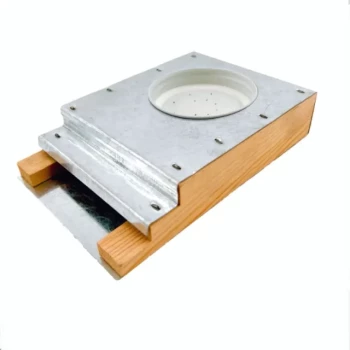
High-nutrition bee feed and sugar-based supplements act as a critical life-support system for colonies when nature falls short. During winter months or non-nectar periods, these consumables provide the precise energy required to maintain metabolic functions and prevent starvation. By intervening with artificial nutrition, you stabilize the colony against environmental pressures and ensure the queen maintains her egg-laying capacity.
The primary purpose of supplemental feeding is not merely keeping bees alive, but strategic asset preservation. It bridges the gap between natural resource depletion and the next honey flow, ensuring the colony remains populous, healthy, and ready for peak production.
Bridging the Nutritional Gap
Compensating for Environmental Shortages
Natural forage is rarely consistent. Whether due to harsh winter weather or land-use changes that deplete floral resources, colonies frequently face caloric deficits.
High-nutrition feed serves as a direct energy compensation. It prevents the colony from consuming its own biological reserves to the point of collapse.
Maintaining Metabolic Vitality
Worker bees require significant energy just to generate heat and maintain the hive environment.
Sugar syrups and supplements act as an artificial fuel source. This allows worker bees to sustain their metabolic levels even when foraging capacity is reduced or impossible.
Preserving Colony Momentum
Supporting the Queen’s Capacity
The long-term viability of a hive depends on the queen. When nutrition drops, the queen instinctively throttles her egg-laying to conserve resources.
Precise feeding stimulates the queen to continue laying. This ensures there is no dangerous gap in the population cycle, maintaining the vitality of the brood.
Ensuring Spring Readiness
Survival is a low bar; the true goal is productivity. A colony that barely survives winter often lacks the numbers to harvest honey in the spring.
By maintaining a strong population through the dearth, you ensure the colony enters the peak honey production season with a robust workforce, rather than spending the spring recovering from starvation.
Enhancing Resilience and Defense
Strengthening Immunity
Nutritional stress makes colonies vulnerable to pathogens and parasites. Well-fed bees are biologically more resilient.
Supplements, particularly those including pollen or specialized nutrients, boost the colony's general health. This creates a defensive measure against colony decline during extended monitoring cycles.
Serving as Treatment Carriers
Specialized syrups often serve a dual purpose. Beyond calories, they act as effective carriers for medicinal treatments.
This is particularly useful for delivering disease prevention agents, such as treatments for Varroa mites. It integrates pest management directly into the nutritional support workflow.
Understanding the Trade-offs
The Necessity of Precision
Supplemental feeding is not a passive activity. It requires precise feeding processes to match the colony's specific needs.
Over-feeding can crowd the brood nest (honeybound hives), while under-feeding during a critical dearth leads to rapid starvation.
Artificial vs. Natural Sources
While industrial-grade sugar and supplements are effective, they are ultimately artificial substitutes.
They are essential for survival and asset stability when natural sources are absent, but they function best as a bridge, not a permanent replacement for diverse natural pollen and nectar.
Making the Right Choice for Your Goal
To apply this to your apiary management, align your feeding strategy with your specific objective:
- If your primary focus is Winter Survival: Prioritize high-energy sugar syrups to prevent starvation and maintain the thermal regulation of the hive.
- If your primary focus is Spring Production: Use high-nutrition feeds and pollen supplements early to stimulate the queen’s egg-laying before the first bloom.
- If your primary focus is Disease Management: Utilize specialized medicinal syrups to simultaneously boost energy and deliver essential treatments for parasites like Varroa mites.
Strategic nutritional support transforms a colony from a passive survivor into a productive asset.
Summary Table:
| Objective | Feeding Strategy | Key Benefit |
|---|---|---|
| Winter Survival | High-energy sugar syrups | Prevents starvation & maintains hive heat |
| Spring Readiness | Pollen & high-nutrition feed | Stimulates queen laying & brood vitality |
| Disease Defense | Medicinal syrup carriers | Strengthens immunity & delivers parasite treatments |
| Colony Momentum | Strategic calorie compensation | Bridges gaps between natural nectar flows |
Maximize Your Apiary’s Resilience with HONESTBEE
At HONESTBEE, we specialize in supporting commercial apiaries and distributors with the high-performance tools and consumables needed to sustain healthy colonies year-round. From specialized honey-filling and hive-making machinery to essential industry consumables like high-nutrition bee feed and supplements, our comprehensive wholesale offering is designed to scale your operations.
Don't let seasonal dearths or harsh winters compromise your assets. Partner with us to access professional-grade beekeeping equipment and strategic nutritional solutions that ensure your colonies are always ready for peak production.
Ready to scale your beekeeping business? Contact HONESTBEE Today to Discuss Bulk Orders & Solutions
References
- Agnieszka Borowska. Produkcja, konsumpcja i handel zagraniczny miodem w Polsce w latach 2004-2015. DOI: 10.22630/rnr.2016.103.4.41
This article is also based on technical information from HonestBee Knowledge Base .
Related Products
- HONESTBEE Professional Entrance Bee Feeder Hive Nutrition Solution
- HONESTBEE Entrance Bee Feeder Professional Hive Nutrition Solution for Beekeeping
- HONESTBEE Round Hive Top Bee Feeder for Syrup
- In-Hive Dual Compartment Frame Bee Feeder for Targeted Colony Nutrition
- HONESTBEE Professional Hive Top Bee Feeder Feeding Solution
People Also Ask
- What types of bee feeders are available for beginners? Start with the Simple Entrance Feeder
- What are the advantages and disadvantages of using an entrance feeder for bees? Balance Convenience and Hive Security.
- How does a bee entrance feeder work? A Simple Guide to Convenient Hive Feeding
- What is a bee entrance feeder and what are its drawbacks? Essential Guide to Hive Security and Feeding Efficiency
- How to make an entrance feeder for bees? A DIY Guide for Safe & Effective Feeding