The role of a binocular microscope equipped with a high-resolution digital camera in honey palynological characterization is to provide a platform for the precise visualization, identification, and documentation of pollen grains. This system combines the optical magnification necessary to distinguish complex morphological features with the ability to capture high-quality micrographs. It serves as the essential technological standard for determining the botanical source of honey, verifying its geographic origin, and ensuring overall botanical authenticity.
By integrating high-magnification optics with digital imaging, this setup transforms transient visual observations into a permanent, verifiable record of honey purity and origin.
The Mechanics of Palynological Analysis
High-Fidelity Visualization
To accurately characterize honey, you must look beyond the naked eye. A high-magnification optical microscope is indispensable for this task, typically requiring magnification levels between 400 to 1000 times.
This level of zoom allows technicians to observe the specific microscopic morphological characteristics of pollen grains. It is the only way to effectively distinguish between similar pollen types and identify the dominant species present in the sample.
Digital Documentation and Evidence
The addition of a high-resolution digital camera changes the instrument from a viewing tool into a documentation system. While the optics allow for identification, the camera captures micrographs that serve as objective proof.
This visual data is critical for reporting. It allows for the creation of a digital library of pollen types found in specific honey batches, facilitating peer review and regulatory compliance.
Ensuring Authenticity and Quality
Verifying Botanical Origin
The core purpose of this equipment is to define the botanical source of the honey. By identifying and counting pollen grains, analysts can confirm if a honey is truly "monofloral" (derived from a single plant source) or multifloral.
This verification is vital for excluding potential interference from background nutritional variations. In experimental settings, knowing the exact source ensures that the biological effects of the honey are not conflated with impurities.
Geographic Tracing and Purity
Beyond the plant type, this analysis determines geographic origin. Specific pollen combinations act as a fingerprint for the region where the honey was produced.
This capability supports the protection of geographical indications and prevents adulteration. If the microscopic analysis reveals pollen types that do not grow in the claimed region of origin, the authenticity of the honey is immediately called into question.
Understanding the Limitations
Dependency on Sample Preparation
The microscope and camera are only as effective as the sample preparation. The visualization process often relies on pollen grains effectively undergoing acetylation or similar chemical treatments to clear obscuring materials.
If the sample is poorly prepared, even the highest resolution camera cannot compensate for the lack of clarity. The equipment reveals the quality of the preparation as much as the quality of the pollen.
The Human Element
While the camera captures the image, it does not interpret it. The identification of complex morphological features still requires a skilled technician or palynologist.
The equipment provides the data, but accurate characterization depends on the user's ability to recognize and classify the visual information displayed in the micrographs.
Making the Right Choice for Your Goal
To maximize the value of this equipment, align its usage with your specific objectives:
- If your primary focus is Regulatory Compliance: Prioritize the digital camera's resolution to ensure your micrographs act as indisputable evidence for botanical authenticity and geographic indication claims.
- If your primary focus is Scientific Research: Focus on the optical magnification capabilities (up to 1000x) to rigorously exclude nutritional variables and verify purity for immune system studies.
Ultimately, this technology bridges the gap between biological raw material and certified, authentic product.
Summary Table:
| Feature | Function in Palynological Characterization | Impact on Honey Quality |
|---|---|---|
| 400x - 1000x Optics | Enables visualization of complex pollen morphology | Distinguishes between monofloral and multifloral sources |
| High-Res Digital Camera | Captures permanent micrographs and creates digital libraries | Provides verifiable evidence for regulatory compliance |
| Geographic Fingerprinting | Identifies regional pollen combinations | Protects geographical indications and detects adulteration |
| Botanical Verification | Confirms dominant plant species in honey samples | Ensures purity for scientific research and premium branding |
Elevate Your Honey Quality Standards with HONESTBEE
Ensure the authenticity and market value of your products with professional-grade beekeeping and analysis solutions. HONESTBEE specializes in supporting commercial apiaries and distributors by providing a comprehensive wholesale range, including:
- Advanced Machinery: From precision hive-making to efficient honey-filling machines.
- Essential Equipment: High-performance beekeeping tools and industry consumables.
- Branding & Culture: A diverse array of honey-themed cultural merchandise to differentiate your brand.
Whether you are scaling up production or securing your supply chain, we deliver the expertise and hardware you need to succeed. Contact HONESTBEE today to discuss your wholesale requirements!
References
- Ernest Uzodimma Durugbo, Mba Obasi Odim. Pollen Characterization and Physicochemical Analysis of Six Nigerian Honey Samples; Test for Authenticity. DOI: 10.24925/turjaf.v8i9.1863-1870.3477
This article is also based on technical information from HonestBee Knowledge Base .
Related Products
- Digital Honey Refractometer for Precision Measurement of Optimal Honey Quality
- HONESTBEE Anatomy Bee Model Detailed Anatomical Display for Education and Study
- Honey Bee Lifecycle Model: A Detailed Honeycomb Display of Bee Development
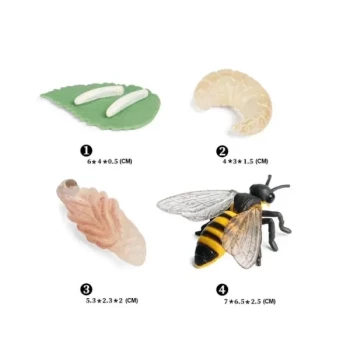
- Honey Bee Life Cycle Model 4 Stage Educational Set for Kids Learning
- Professional Honey Filter with Tripod Support Stand
People Also Ask
- What role do high-precision refractometers play in determining the maturity and quality of honey? Ensure Honey Purity.
- Do the color and viscosity of honey affect its refractometer reading? Mastering Moisture Measurement Accuracy
- What is a honey refractometer? The Essential Tool for Perfect Honey Quality
- How is the reading taken from a honey refractometer? A Guide to Accurate Moisture Measurement
- What is the best way to store a honey refractometer? Preserve Accuracy and Extend Its Lifespan