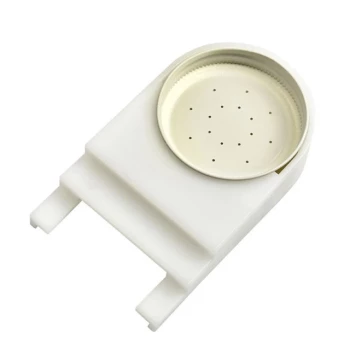
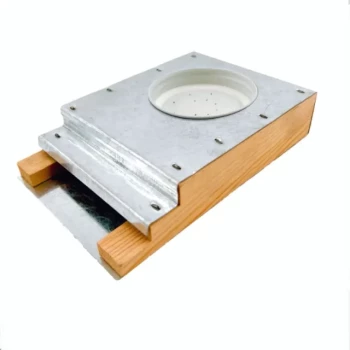
A division board feeder is an internal management tool designed to serve as a direct energy compensation device within the beehive. Installed in place of a standard frame, it holds liquid supplemental feed—typically sugar syrup—to sustain the colony when natural resources are unavailable.
The primary function of this feeder is to bridge nutritional gaps caused by adverse weather or floral shortages, ensuring the colony maintains the strength required for the queen to continue egg-laying.
The Strategic Role of Internal Feeding
Compensating for Environmental Deficits
Bees rely heavily on natural nectar flows, which are often interrupted by seasonal changes or poor weather.
The division board feeder provides a reservoir of high-concentration carbohydrates during these floral gaps. This ensures the colony does not starve during critical transition periods, such as late autumn or early spring.
Maintaining Colony Momentum
Consistent nutrition is the signal that allows a colony to thrive.
By providing a steady energy source, the feeder prevents the colony from contracting or cannibalizing brood to save energy. This strictly maintains the queen’s egg-laying rates, ensuring the population remains robust enough to forage effectively when natural blooms return.
Operational Mechanics
Targeted Nutrient Delivery
Unlike external feeding methods, the division board feeder sits directly inside the hive body.
This proximity allows bees to access food safely without leaving the cluster during cooler temperatures. It is ideal for delivering sucrose solutions or high-fructose corn syrup (HFCS), which function as immediate energy substitutes for nectar.
Facilitating Supplement Distribution
Liquid feed is an excellent medium for delivering specific nutritional additives.
As noted in laboratory applications, dried extracts or supplements can be processed into a uniform fine powder and dissolved into the syrup mixture. The division board feeder allows these stabilized, quantified doses of active polysaccharides or medications to be dispersed uniformly to the colony.
Understanding the Trade-offs
Manual Labor vs. Automation
While effective for individual hive management, division board feeders generally require manual filling.
In contrast to industrial-scale piping systems used in large commercial apiaries to pump feed to hundreds of hives, filling division board feeders is labor-intensive. This makes them highly effective for precision management but potentially less efficient for massive, automated operations.
Space Allocation
The feeder occupies physical space within the hive box.
To install a division board feeder, beekeepers must usually remove a frame of comb. This is a calculated trade-off: you sacrifice potential storage or brood area to ensure the nutritional security of the remaining population.
Making the Right Choice for Your Goal
To maximize the utility of a division board feeder, align its use with your specific colony objectives:
- If your primary focus is Overwintering: Use the feeder in autumn to provide high-concentration syrup, building the energy reserves necessary to prevent starvation.
- If your primary focus is Spring Buildup: Utilize the feeder during early spring to simulate a nectar flow, stimulating the queen to lay eggs before natural flowers bloom.
- If your primary focus is Precision Supplementation: Use the liquid medium in the feeder to deliver exact doses of dissolved powdered extracts or medications to specific colonies.
The division board feeder is the definitive tool for converting supplemental investment into sustained colony biological activity.
Summary Table:
| Feature | Strategic Role & Benefit |
|---|---|
| Core Function | Direct energy compensation through internal liquid syrup storage. |
| Colony Impact | Prevents brood cannibalization and maintains queen egg-laying rates. |
| Weather Resilience | Allows bees to access nutrients without leaving the cluster in cold weather. |
| Supplementation | Ideal for delivering dissolved medications and nutritional extracts. |
| Strategic Timing | Critical for autumn overwintering prep and early spring colony buildup. |
Scale Your Apiary Success with HONESTBEE
Are you a commercial apiary or a distributor looking for high-quality, durable beekeeping solutions? At HONESTBEE, we understand the precision required to maintain large-scale colony health. We provide a comprehensive wholesale range, from precision division board feeders and hive-making machinery to honey-filling systems and essential consumables.
Partner with us to streamline your operations and ensure your colonies—or your customers' colonies—thrive in every season.
Contact our wholesale experts today to request a catalog and custom quote
References
- J. Carter Loftus, Thomas D. Seeley. How Honey Bee Colonies Survive in the Wild: Testing the Importance of Small Nests and Frequent Swarming. DOI: 10.1371/journal.pone.0150362
This article is also based on technical information from HonestBee Knowledge Base .
Related Products
- Classic Boardman Entrance Bee Feeder Hive Front Feeding Solution
- Boardman Entrance Bee Feeder Durable Galvanized Steel and Wood Construction for Beekeeping
- In-Hive Dual Compartment Frame Bee Feeder for Targeted Colony Nutrition
- HONESTBEE Entrance Bee Feeder Efficient Hive Front Liquid Feeding Solution for Beekeeping
- Professional Hive Front Entrance Bee Feeder
People Also Ask
- What are the advantages and disadvantages of using an entrance feeder for bees? Balance Convenience and Hive Security.
- What types of bee feeders are available for beginners? Start with the Simple Entrance Feeder
- How do you make an entrance feeder for bees? A Guide to Safe & Effective Hive Feeding
- What is a recommended alternative use for an entrance feeder instead of providing sugar syrup? - Water Feeding Tips
- What are the advantages and disadvantages of an entrance feeder? Optimize Your Apiary's Feeding Strategy