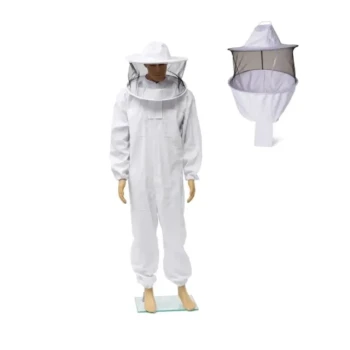
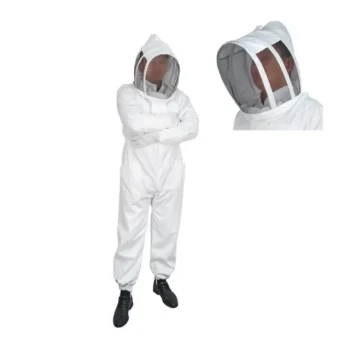
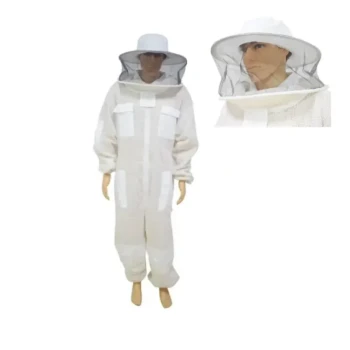
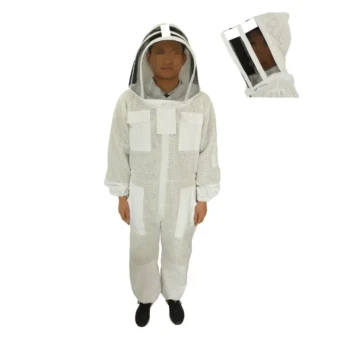
The primary role of a Professional Bee Veil and Suit is to serve as essential Personal Protective Equipment (PPE) during live bee removal. By establishing a comprehensive physical barrier, this gear shields the operator from defensive stings that inevitably occur when a hive is disturbed. This protection allows the technician to work safely and effectively in what are often volatile and complex environments.
By neutralizing the immediate physical threat of a swarm, proper protective gear allows the operator to shift their mental energy from self-preservation to the technical precision required for successful removal.
The Mechanics of Protection
Creating a Physical Barrier
The fundamental function of the veil and suit is to create an impenetrable seal between the operator and the bees. This physical barrier prevents bees from making direct contact with the skin.
Without this separation, the volume of bees involved in a removal would make the task physically impossible. The gear ensures that every inch of vulnerable skin is covered.
Managing Defensive Reactions
When a hive is accessed or moved, bees instinctively switch to a defensive mode to protect their colony. The primary reference notes that stings are most likely when bees are disturbed.
The suit is designed specifically to withstand this defensive onslaught. It allows the operator to stand their ground in the middle of a defensive cloud of bees without sustaining injury.
Operational Efficiency and Focus
Removing Distractions
Beyond simple safety, the suit serves a critical operational purpose: focus. As stated in the primary reference, protection allows technicians to concentrate fully on removal tasks.
If an operator is worried about being stung, their attention is divided. The suit eliminates the "flinch factor," allowing for steady hands and deliberate movements.
Navigating Complex Environments
Bee removal rarely happens in a convenient location; it often occurs in walls, roofs, or high structures. These are complex environments that require full situational awareness.
The suit protects the operator regardless of their physical position. This allows the technician to crawl, climb, or reach into tight spaces without compromising their safety.
Understanding the Trade-offs
Heat Management
While the suit offers excellent protection, it also traps body heat. In hot weather or attics, this can lead to rapid fatigue or heat exhaustion if not managed carefully.
Visibility vs. Protection
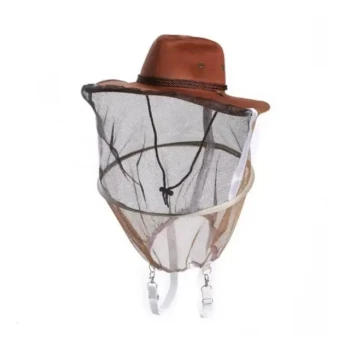
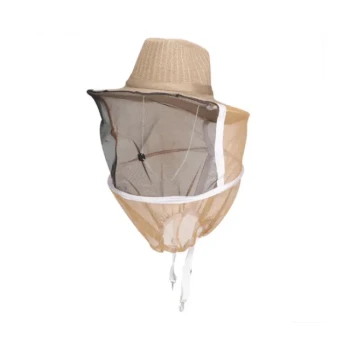
The veil must be dense enough to stop bees but sheer enough to see through. In low-light conditions, the mesh material can slightly obscure vision, requiring the operator to use supplemental lighting.
Maintenance is Critical
The integrity of the "physical barrier" relies on the suit being intact. A single tear or a zipper that is not fully closed renders the entire suit ineffective against a determined bee.
Ensuring Safe and Effective Removal
To maximize the benefits of this essential equipment, consider the following based on your operational goals:
- If your primary focus is operator safety: Ensure the suit is fully sealed and inspected for tears before every single engagement to maintain the integrity of the physical barrier.
- If your primary focus is task efficiency: Trust the equipment to handle the defensive bees so you can devote 100% of your attention to the structural complexity of the removal.
The Professional Bee Veil and Suit are not just safety accessories; they are the fundamental tools that make the precise, humane removal of live bees possible.
Summary Table:
| Feature | Primary Role | Operational Benefit |
|---|---|---|
| Physical Barrier | Creates an impenetrable seal against skin contact | Enables work in high-density bee environments |
| Defensive Management | Withstands instinctive colony attacks | Allows operator to remain calm during swarms |
| Focus Enhancement | Eliminates the "flinch factor" | Improves technical precision and steady handling |
| Spatial Mobility | Protects in tight/complex structures | Facilitates crawling and climbing in roofs/walls |
| Mesh Design | Balances sting protection with visibility | Maintains situational awareness for the technician |
Elevate Your Beekeeping Operations with HONESTBEE
At HONESTBEE, we understand that professional-grade protection is the foundation of a successful apiary business. Whether you are managing large-scale live bee removals or distributing premium equipment, our comprehensive wholesale portfolio is designed to meet your highest standards.
Why partner with HONESTBEE?
- Complete Solutions: From reinforced protective suits and veils to specialized hive-making and honey-filling machinery.
- Built for Professionals: Our equipment is engineered for commercial apiaries and distributors who demand durability in complex environments.
- Diverse Inventory: We supply everything from essential consumables and beekeeping tools to unique honey-themed cultural merchandise.
Ready to scale your business with reliable hardware and expert support? Contact us today to explore our wholesale offerings and see how we can add value to your professional beekeeping enterprise.
References
- Mary Bammer, Amy T. Vu. Best Management Practices for Live Bee Removals in Florida: A Beekeeper’s Guide. DOI: 10.32473/edis-in1297-2020
This article is also based on technical information from HonestBee Knowledge Base .
Related Products
- Professional Cotton Beekeeper Suit with Round Veil Design for Commercial Apiaries
- Professional Beekeeper Suit with Square Folding Cotton Veil
- Premium Cotton Beekeeper Suit with Reinforced Fencing Veil
- Premium Three Layer Ventilated Bee Suit with Round Veil
- White Cotton Beekeeping Jacket and Veil for Bee Keepers
People Also Ask
- What material and design specifications are recommended for a high-quality beekeeper suit? Top Gear Selection Guide
- How to Pre-treat Propolis Stains on Beekeeping Suits? Master Advanced Fabric Care and Soil Removal
- Why is it important to keep a beekeeping suit clean? Essential Safety & Maintenance Tips
- Is it generally safe to wash a beekeeping suit in a washing machine? Maintain Your Safety Gear Properly
- What are the primary functional requirements for a beekeeping suit to ensure user safety? Professional Sourcing Guide