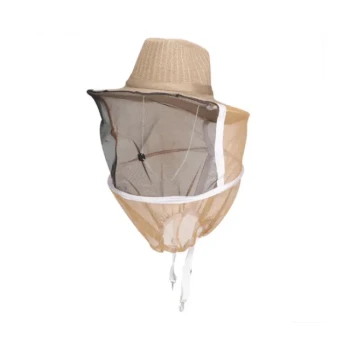
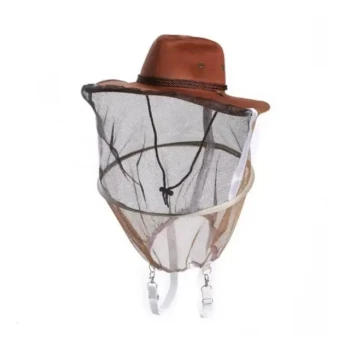
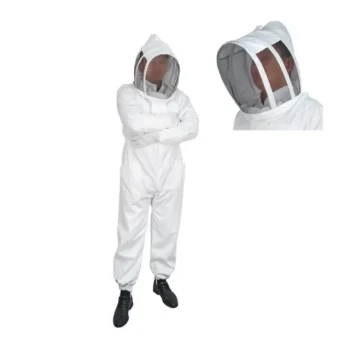
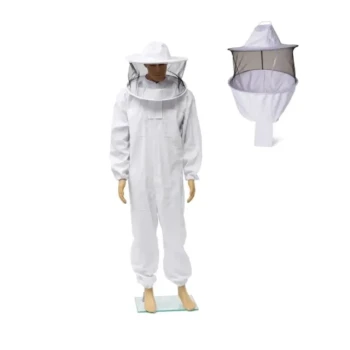
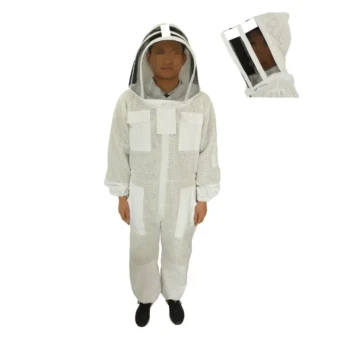
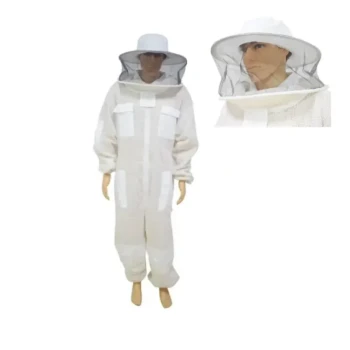
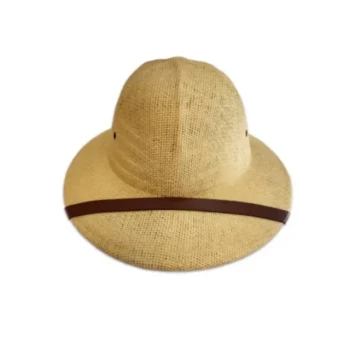
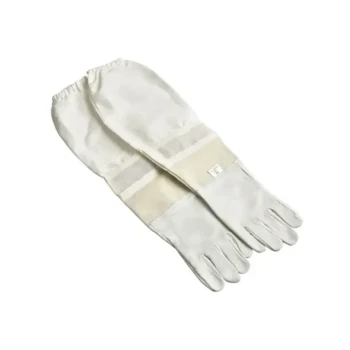
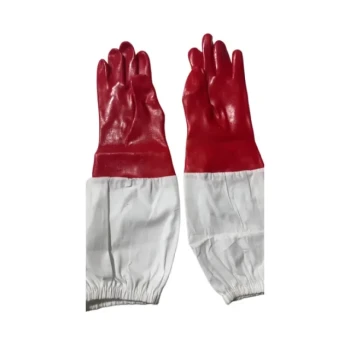
Professional-grade beekeeping protective clothing and veils serve as the primary infrastructure for safe and consistent colony management. Beyond simply preventing stings, this equipment eliminates the safety barriers that often lead to neglected hives, enabling operators to perform routine inspections, maintenance, and health screenings with the necessary frequency and precision.
The core value of professional protective gear is not just injury prevention, but operational continuity. By securing the beekeeper's environment, these tools transform colony management from a high-risk task into a controlled, routine process, ensuring that critical hive conditions are never overlooked due to a lack of safety infrastructure.
The Operational Impact of Safety
Removing Management Constraints
Many hive management issues stem from a lack of intervention rather than a lack of knowledge. Professional-grade clothing removes the physical hesitation associated with opening a hive. This ensures that routine monitoring—essential for detecting issues early—is not skipped or delayed because the operator lacks the basic safety infrastructure to approach the colony.
Enhancing Operational Precision
High-quality protective equipment enhances the operator's ability to work accurately. When the fear of stings is neutralized, a beekeeper can focus entirely on the delicate tasks at hand. This allows for precise operations, such as statistical resource analysis and frame transfers, to be executed without rushing or error.
Maintaining Labor Efficiency
In commercial or large-scale operations, downtime caused by injury or aggressive bees is a significant cost. Industrial-grade gear prevents the loss of labor efficiency. It allows work to continue uninterrupted, even when colonies exhibit defensive behaviors that would otherwise halt operations.
Managing High-Intensity Scenarios
Handling Defensive Populations
Standard equipment may fail when dealing with aggressive genetics, such as Africanized bees. Reinforced suits and veils act as a critical physical barrier in these high-risk scenarios. They allow beekeepers to effectively manage pest control and harvesting in colonies with high defensive instincts without compromising personal safety.
Environmental Stressors
Bees often react aggressively to environmental triggers, such as loud noises or nearby explosions. Professional PPE provides a necessary buffer during these unpredictable events. This protection allows beekeepers to perform emergency damage assessments or hive migrations safely, even when the colony is in a heightened state of alarm.
Prolonged Health Screenings
Large-scale colony health screenings often require technicians to remain in the apiary for extended periods. High-performance gear is essential for these high-intensity sampling operations. It protects staff from the cumulative risk of stings during long shifts, ensuring that sampling integrity is maintained across hundreds of hives.
The Mechanics of the Veil
Critical Head and Face Protection
The veil is the most vital component of the protective kit, shielding the operator's most vulnerable areas. A high-quality veil utilizes a fine mesh design to create an impenetrable barrier against stings to the face and neck.
Visibility and Ventilation
Protection must not come at the cost of awareness. Professional veils are engineered to provide clear visibility and adequate ventilation. This ensures the operator can accurately diagnose comb health and spot eggs or queens, while maintaining airflow to prevent overheating during manual interventions.
Understanding the Trade-offs
Sensory Isolation vs. Safety
While essential for protection, full industrial gear can create a degree of sensory isolation. Thick gloves and heavy suits reduce tactile feedback, which can make handling delicate frames or queens more difficult. Operators must be aware that while they are safer, their dexterity is slightly compromised compared to lighter setups.
Heat Management
The physical barrier that stops stings also traps body heat. In hot climates, professional-grade suits can lead to faster operator fatigue due to reduced thermal regulation. It is critical to balance the level of protection with the duration of the task to avoid heat exhaustion.
Making the Right Choice for Your Goal
Selecting the right protective gear depends on the specific nature of your apiary and your management goals.
- If your primary focus is Routine Inspection: Prioritize gear that offers a balance of ventilation and visibility, ensuring you can perform frequent checks comfortably without avoiding the task.
- If your primary focus is High-Risk Management: Prioritize industrial-grade reinforced suits, specifically designed to withstand the collective attack tendencies of Africanized or highly defensive colonies.
True proficiency in beekeeping begins with the confidence that you are safe enough to do the work properly.
Summary Table:
| Feature | Operational Benefit | Key Impact |
|---|---|---|
| Reinforced Suits | Removes management constraints | Enables consistent, timely hive inspections |
| Industrial-Grade Veils | Protects face & neck with high mesh | Ensures clear visibility for queen/egg spotting |
| Advanced Ventilation | Improved thermal regulation | Reduces operator fatigue during long shifts |
| Full Body Coverage | Neutralizes defensive behaviors | Maintains labor efficiency in high-intensity scenarios |
| Sting Barrier | Enhances operational precision | Allows for focused, delicate task execution |
Scale Your Apiary Operations with HONESTBEE
At HONESTBEE, we understand that safety is the foundation of commercial productivity. We provide commercial apiaries and distributors with premium beekeeping tools, machinery, and industrial-grade protective equipment designed to withstand high-intensity management.
From hive-making and honey-filling machines to specialized hardware and essential consumables, our comprehensive wholesale offering empowers your team to work with precision and confidence.
Ready to upgrade your infrastructure? Contact us today to explore how our professional portfolio can enhance your operation's efficiency and safety.
References
- Dereje Shibru, Emana Megersa. Identifying Opportunities and Constraints of Beekeeping: The Case of Gambella Zuria and Godere Weredas, Gambella Regional State, Ethiopia. DOI: 10.4172/2161-0983.1000182
This article is also based on technical information from HonestBee Knowledge Base .
Related Products
- White Cotton Beekeeping Jacket and Veil for Bee Keepers
- Beekeeping Jacket with Hood and Veil for Beekeepers
- Beekeeper Cowboy Hat and Veil for Beekeeping
- Premium Cowboy Beekeeper Hat with Visibility Veil Outdoor Professional Beekeeping Protective Gear
- Premium Cotton Beekeeper Suit with Reinforced Fencing Veil
People Also Ask
- What are the features of an economical beekeeping jacket? Essential Protection for Budget-Conscious Beekeepers
- What are the pros of using a beekeeping jacket? Unlock Superior Comfort and Mobility for Your Apiary
- What factors should a new beekeeper consider when choosing between a jacket and a full suit? Security vs. Comfort
- What are the advantages of a beekeeping jacket? Superior Mobility & Comfort for Routine Hive Inspections
- When is a beekeeping jacket considered a more suitable choice than a full suit? Optimize Your Apiary Mobility