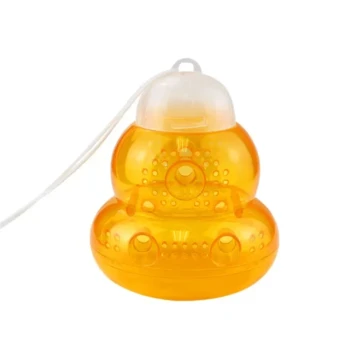
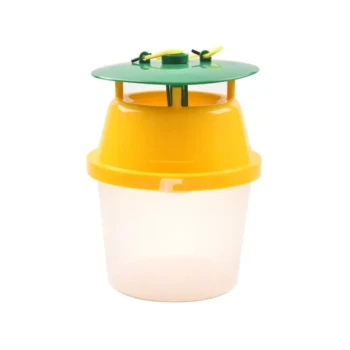
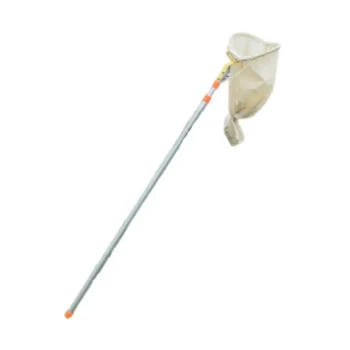
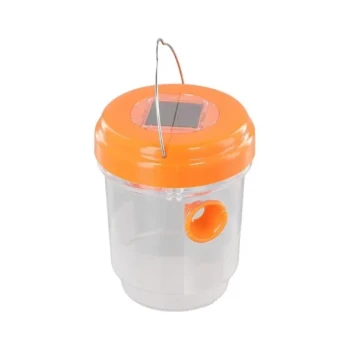
Industrial-grade trapping and monitoring equipment serves as the critical first line of defense against Asian hornet invasions. By combining specialized hardware with specific attractants, these systems allow authorities to capture isolated individuals at high-risk entry points like international ports and highway hubs, effectively stopping the species before it can establish a permanent population.
Early detection is the only viable strategy for preventing permanent infestation. Industrial-grade equipment transforms reactive pest control into proactive eradication, securing the local beekeeping industry by intercepting founding individuals before they can multiply.
The Strategic Role of Equipment in EDRR
Intercepting the Invasion at the Source
The effectiveness of an Early Detection and Rapid Response (EDRR) system relies on where you place your sensors. Industrial-grade traps must be deployed at strategic logistic nodes, specifically international ports and major highway hubs.
These locations act as the primary gateways for invasive species. By monitoring these transit points, authorities can intercept "hitchhiking" hornets before they move into rural or residential areas.
Protecting Beekeeping Production Security
The ultimate goal of this equipment is economic and ecological protection. Intensive beekeeping areas are high-value targets for Asian hornets.
Deploying industrial monitoring systems around these apiaries creates a defensive perimeter. This safeguards the production security of the local industry by neutralizing threats before they can decimate hive populations.
Preventing Population Establishment
The window for successful eradication is narrow. The equipment is specifically designed to capture early-stage isolated individuals.
Capturing these scouts or solitary queens prevents the formation of founding nests. Once a population becomes established and begins large-scale expansion, eradication becomes exponentially more difficult and expensive.
Precision Engineering and Ecological Safety
Advanced Lure Technology
Effective monitoring requires more than a simple container. Professional bait buckets utilize specific chemical scents as selective lures.
These attractants are engineered to trigger the specific sensory responses of Asian hornets. This ensures the trap actively draws in the target species rather than waiting for accidental encounters.
Minimizing Ecological Collateral Damage
A major challenge in pest control is harming beneficial insects. Industrial-grade traps feature specialized physical designs to mitigate this risk.
These designs physically prevent non-target insects, such as honey bees and native butterflies, from entering the trap. This selectivity is vital for maintaining local biodiversity while targeting the invasive predator.
Identifying Founding Nests
Traps function as an early warning network. When a hornet is captured, it provides technicians with critical data regarding regional nesting density.
A capture signals the presence of a nearby founding nest. This allows technicians to intervene immediately, removing the nest during the early invasion stage rather than attempting to manage a fully developed infestation.
Operational Trade-offs and Considerations
The Necessity of Maintenance
Industrial-grade equipment is not a "set and forget" solution. Bait buckets and lures are consumables that require regular replenishment.
If the chemical scent degrades, the trap becomes useless. A rigorous maintenance schedule is required to ensure the "scent fence" remains unbroken.
Reliance on Technician Intervention
The equipment detects the threat, but it does not solve the problem entirely on its own. Traps are tools for identification, not total elimination.
While they capture individuals, their primary value is alerting management authorities. The system fails if there is no rapid human response to follow up on a capture with eradication measures.
Making the Right Choice for Your Goal
To effectively implement an EDRR system, align your equipment deployment with your specific objectives:
- If your primary focus is preventing initial invasion: Prioritize the deployment of traps at high-traffic logistic hubs like ports and highways to catch isolated hitchhikers.
- If your primary focus is protecting apiaries: Install selective traps with honey-bee-safe physical designs directly around intensive beekeeping zones to act as a localized firewall.
- If your primary focus is ecological surveillance: Utilize chemical lures in likely habitat zones to identify founding nests early without harming native butterfly or bee populations.
Success in battling Asian hornets is not defined by the volume of traps, but by the precision of their placement and the speed of the response.
Summary Table:
| Feature | Strategic Benefit | Impact on EDRR |
|---|---|---|
| Strategic Placement | Monitoring ports and highway hubs | Intercepts hitchhiking hornets at entry points |
| Advanced Lures | Chemical-specific attractants | High-precision targeting of Asian hornet queens |
| Physical Design | Selective entry/exit ports | Prevents by-catch of honey bees and butterflies |
| Early Detection | Identifies founding nests | Enables eradication before population establishment |
| Data Monitoring | Signals regional nesting density | Directs rapid response teams to precise locations |
Secure Your Apiary Against Invasive Predators with HONESTBEE
Effective Asian hornet management requires more than just tools—it requires industrial precision. HONESTBEE specializes in supporting commercial apiaries and distributors with high-performance beekeeping machinery and monitoring equipment. From professional-grade traps and chemical lures to specialized honey-filling and hive-making machines, we provide the full spectrum of equipment needed to protect your production security.
Don't wait for an infestation to become permanent. Partner with us to strengthen your defense strategy today.
Contact HONESTBEE for Wholesale Solutions
References
- Zenia Ruiz-Utrilla, Ángela P. Cuervo-Robayo. Risk of Asian hornet invasion in Mexico: a proposal for invasive species risk assessment from a spatial perspective. DOI: 10.1007/s10531-024-02831-y
This article is also based on technical information from HonestBee Knowledge Base .
Related Products
- Plastic Beetle Blaster Trap Beekeeping Tools and Supplies
- Professional Multi-Component Bucket Wasp Trap
- Gourd Shaped Hanging Wasp Trap Professional Wasp Catcher
- Compact Multi-Funnel Hanging Wasp Trap
- Reusable Clear Small Hive Beetle Traps for Beehives Beetle Trapping Tools
People Also Ask
- In what situations is the use of beetle traps particularly recommended? Essential Protection for Vulnerable Bee Hives
- How should beetle traps be placed in the hive? Achieve Perfect Flush Placement for Maximum Control
- How do beetle traps like Beetle Blasters support bee colonies? Protect Your Hives from Destructive Pests
- What are the three main types of hive beetle traps? Expert Solutions for Protecting Your Bee Colonies
- What are the available chemical-free options for trapping hive beetles? Safe and Effective Pest Management Solutions