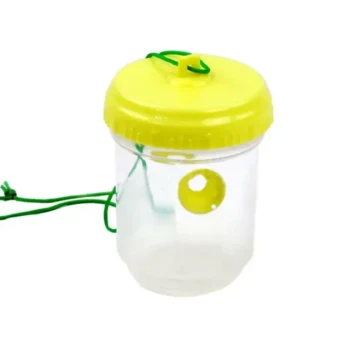
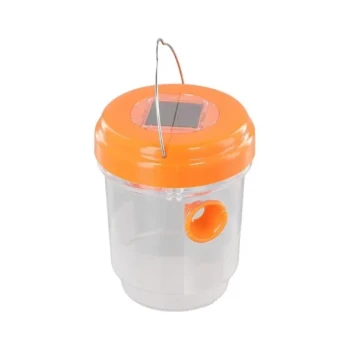
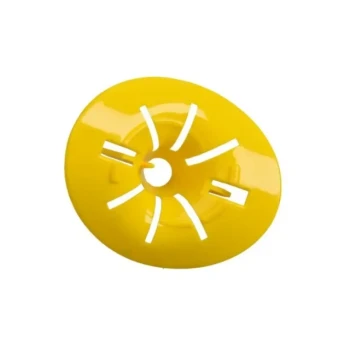
Small lateral vents function as a passive mechanical filter. By integrating escape routes sized specifically for smaller insects, these vents allow non-target species to exit the trap before they succumb to the bait. This design exploits the physical size difference between large hornets and smaller beneficial insects to maximize capture precision.
The inclusion of lateral vents transforms a standard trap into a selective ecological tool. By mechanically filtering insects based on size, you drastically reduce by-catch of beneficial species without compromising the trap's ability to retain the larger target hornets.
The Mechanics of Selectivity
Exploiting Size Differences
The core principle behind lateral vents is physical exclusion based on size dimorphism.
Target hornets are generally bulky and large. Conversely, many non-target insects—such as minor dipterans (flies) and small hymenopterans (bees or wasps)—are significantly smaller.
The vents are engineered with dimensions that permit the smaller insects to pass through freely, while remaining impassable barriers to the larger hornets.
Prevention of Liquid Contact
The placement of these vents is critical to their function. They serve as an early exit strategy.
The design intent is to allow non-target insects to escape before coming into contact with the liquid attractant.
Once an insect touches the liquid, surface tension and wetting of the wings typically make escape impossible. By filtering insects while they are still dry and mobile, the trap ensures the survival of beneficial by-catch.
Understanding the Trade-offs
The Precision of Hole Sizing
The effectiveness of this selectivity relies entirely on precise engineering.
If the vents are too large, you risk allowing smaller target hornets or queens to escape, reducing the trap's efficacy.
If the vents are too small, they fail to filter out medium-sized beneficial insects, negating the ecological benefit.
Maintenance and Blockage
Physical filters are susceptible to obstruction.
Debris, spider webs, or a high volume of captured insects can block these lateral vents. If the escape routes are compromised, the trap reverts to a non-selective state, increasing the mortality of non-target species.
Enhancing Ecological Safety
Protecting Biodiversity
The primary goal of this design feature is environmental friendliness.
Indiscriminate trapping disrupts local ecosystems by killing pollinators and other beneficial insects. Lateral vents minimize this impact, ensuring the trap focuses solely on the invasive or dangerous pest.
Ethical Pest Control
Using size-selective entry-exit holes aligns trapping practices with higher ecological standards.
It moves pest control away from "eradication at all costs" toward a managed approach that respects the broader insect community.
Making the Right Choice for Your Goal
When evaluating trap designs or modifying existing equipment, consider your specific objectives:
- If your primary focus is ecological preservation: Ensure the trap features clearly defined lateral vents to allow the maximum escape of pollinators and non-target flies.
- If your primary focus is maximum retention: Monitor the vents regularly to ensure they do not become widened by wear or chewing, which could allow target pests to escape.
Selectivity is not just a feature; it is a necessity for responsible environmental stewardship.
Summary Table:
| Feature | Mechanism | Ecological Benefit |
|---|---|---|
| Size Exclusion | Physical dimensions prevent large hornets from exiting while allowing small insects out. | Reduces non-target mortality rates. |
| Early Exit Strategy | Vents placed above liquid bait level. | Allows beneficial insects to escape before they get wet and trapped. |
| Passive Filtration | Operates automatically based on insect morphology. | Maintenance-free selectivity during active trapping periods. |
| Selective Precision | Engineered hole sizing (e.g., ~5.5mm). | Balances target retention with pollinator preservation. |
Elevate Your Pest Management with HONESTBEE
At HONESTBEE, we understand that commercial apiaries and distributors require professional-grade solutions that balance efficacy with environmental stewardship. As a leading supplier of the full spectrum of beekeeping tools, machinery, and equipment, we provide specialized hardware—from hive-making and honey-filling machines to ecologically designed traps.
Our comprehensive wholesale offering is tailored to help you scale your operations while protecting local biodiversity. Whether you are looking for high-precision trapping equipment or essential industry consumables, our experts are ready to support your business goals.
Ready to optimize your inventory with professional beekeeping solutions?
Contact us today to discuss your wholesale needs!
References
- Sandra V. Rojas‐Nossa, Josefina Garrido. Comparison of Effectiveness and Selectiveness of Baited Traps for the Capture of the Invasive Hornet Vespa velutina. DOI: 10.3390/ani14010129
This article is also based on technical information from HonestBee Knowledge Base .
Related Products
- Compact Multi-Funnel Hanging Wasp Trap
- Reusable Aluminium Beetle Trap for Small Hive Beetles Silver Bullet
- Removable Washable Hive Beetle Trap Attractants for Small Hive Beetles
- HONESTBEE Collapsible Tiered Bee Swarm Catcher for Beekeeping
- HONESTBEE Professional Telescopic Pole Bee Swarm Catcher
People Also Ask
- What are the practical advantages of using professional wasp traps and protective equipment in apiary management? Scale Up
- Why replace sugar syrup bait in wasp traps every three days? Ensure Maximum Attraction and Catch Rates
- What is the importance of deploying hornet traps around an apiary for maintaining colony stability? Protect Your Yields.
- What are the advantages of placing hornet traps on the tops of beehives? Maximize Hive Defense Against Predators
- What trapping methods and equipment setups protect commercial apiaries against seasonal hornet predation?