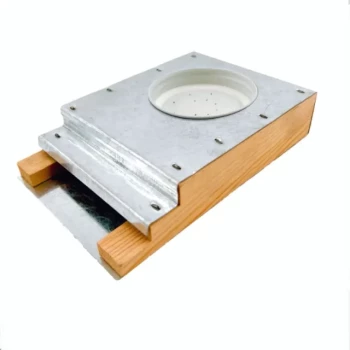
Specialized bee feeders are precision instruments designed to facilitate the hygienic, internal delivery of nutritional syrup within a beehive. By positioning the food source typically at the top of the hive or replacing internal frames, these devices physically isolate the feed from the outside environment. This technical arrangement prevents syrup spills and eliminates the scent cues that trigger "robbing"—aggressive raids by competing bee colonies—thereby securing the colony's resources.
The core technical function of a specialized feeder is to transform supplemental feeding from an open, competitive event into a secure, internal process. This ensures that nutrition is consumed efficiently by the target colony without triggering defensive stress or resource waste.
The Mechanics of Controlled Feeding
Precision Delivery and Hygiene
The primary function of specialized feeding trays is to deliver syrup precisely within the hive structure. Unlike traditional open feeding methods, which can lead to contamination, these feeders ensure nutritional substances remain clean.
By containing the liquid securely, often at the top of the hive, the equipment prevents syrup from dripping onto the bees or the brood. This prevents internal hive contamination and maintains a sanitary environment essential for colony health.
Preventing Resource Loss (Robbing)
The most critical technical advantage of these feeders is the prevention of robbing behavior. Open food sources attract bees from other colonies, leading to resource theft and violent conflict.
Specialized feeders keep the resource out of sight and smell of external competitors. This allows the colony to consume the nutrition without expanding energy on defense during vulnerable dearth periods.
High-Capacity Internal Storage
Certain variations, such as frame feeders, are designed to act as internal hive components. These replace a standard frame and allow for a large volume of syrup (e.g., 4 liters) to be placed directly adjacent to the bee cluster.
This proximity ensures that bees can access food even during low temperatures when they are unable to break the cluster to forage. It allows for the rapid processing and storage of starch or sucrose syrups for winter survival.
Strategic Impact on Colony Health
Sustaining Population Vitality
The efficient delivery of carbohydrates and proteins via these feeders directly supports the biological needs of the hive. By ensuring consistent nutrition during nectar shortages, the feeders help maintain the queen’s egg-laying capacity.
Building the Future Workforce
Technical feeding interventions are not just about immediate survival; they are about preparing for the next harvest. Adequate nutrition ensures worker bee vitality, building a sufficient and strong workforce capable of foraging when the season turns.
Understanding the Trade-offs
Equipment Maintenance Requirements
While specialized feeders improve hygiene, they introduce a requirement for rigorous equipment maintenance. Because the feed is contained, any fermentation or spoilage within the feeder can quickly become a health hazard for the colony if not cleaned regularly.
Spatial Considerations
Internal feeders, such as frame feeders, occupy physical space within the hive body. This requires the beekeeper to manage hive geometry carefully, as the feeder replaces a frame that could otherwise be used for brood or honey storage.
Making the Right Choice for Your Goal
To maximize the effectiveness of supplemental feeding, align your equipment choice with your specific objective.
- If your primary focus is preventing colony collapse during dearth: Prioritize top-mounted feeders that completely seal the hive to minimize scent and stop robbing behavior immediately.
- If your primary focus is winter preparation: Utilize high-capacity internal frame feeders to place large volumes of syrup directly against the cluster for easy access in cold temperatures.
By isolating the food source, you turn a potential vulnerability into a strategic advantage for colony growth.
Summary Table:
| Feature | Technical Function | Primary Benefit |
|---|---|---|
| Hygienic Isolation | Internal delivery within the hive structure | Prevents syrup contamination and bee drowning |
| Scent Containment | Sealed reservoir positioning (top or frame) | Eliminates scent cues to prevent colony robbing |
| Proximity Placement | High-capacity storage adjacent to clusters | Ensures food access during low-temperature periods |
| Resource Control | Regulated syrup flow and access points | Maximizes consumption efficiency and minimizes waste |
Scale Your Apiary Operations with HONESTBEE
Maximize your colony productivity and health with professional-grade equipment. At HONESTBEE, we specialize in supporting commercial apiaries and distributors with high-performance wholesale solutions. From specialized bee feeders and hive-making machinery to advanced honey-filling systems and industry-standard consumables, we provide the full spectrum of tools you need to succeed.
Ready to upgrade your beekeeping infrastructure? Contact our team today to discuss bulk pricing and specialized machinery
References
- Ademe Mihiretu, Agazhe Tsegaye. Efficiency of some common treatments on infestation level with wax moths, colony strength and honey yield in Northeast Ethiopia: Participatory and comparative analysis. DOI: 10.1080/23311932.2020.1783172
This article is also based on technical information from HonestBee Knowledge Base .
Related Products
- Rapid Bee Feeder White Plastic 2L Round Top Feeder for 8 or 10-Frame Bee Hives
- HONESTBEE Professional Hive Top Bee Feeder Feeding Solution
- HONESTBEE Entrance Bee Feeder Efficient Hive Front Liquid Feeding Solution for Beekeeping
- Classic Boardman Entrance Bee Feeder Hive Front Feeding Solution
- White Plastic 0.5L Beekeeping Entrance Feeder for Bees
People Also Ask
- What should be done with feeders and equipment after feeding bees? Essential Steps for Apiary Health
- What should be done if feed in a feeder is not consumed by the bees? Prevent Hive Mold with Prompt Feed Management
- What is the necessity of specialized internal or entrance feeders? Secure Your Hive with Professional Feeding Tools
- How do bee feeders work to preserve colony health during nectar shortages? Essential Guide for Beekeepers
- How quickly does a medium to strong colony usually empty a feeder? A Beekeeper's Guide to Hive Health