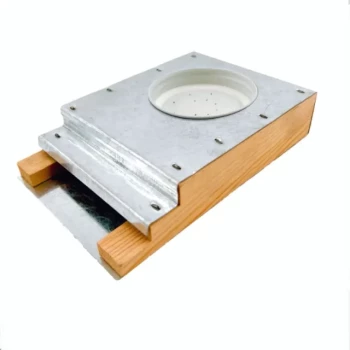
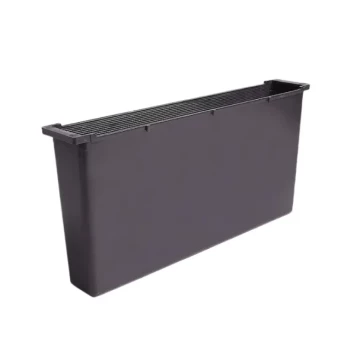
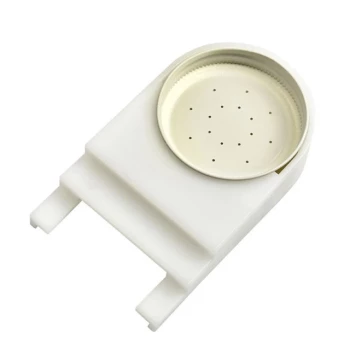
Using bee feeders prior to splitting a colony is a fundamental strategy for ensuring the survival of the new hive. By providing syrup to strong colonies before the split, you artificially boost their nutritional reserves, which directly stimulates increased wax secretion and accelerated brood rearing. This preparation ensures the colony has the physical resources and population density required to withstand the division.
Core Takeaway Simulating resource abundance through syrup feeding energizes the colony to ramp up activity. This created energy reserve is specifically critical for the queenless "daughter" colony, empowering it to construct high-quality emergency queen cells immediately after the split.
Enhancing Physical Readiness
Stimulating Wax Secretion
The introduction of syrup acts as a high-calorie fuel source for the hive. This nutritional intake triggers the bees’ physiological ability to secrete wax.
High wax production is essential during a split. It allows the bees to rapidly construct new comb needed for food storage and brood expansion in the divided colonies.
Accelerating Brood Rearing
Artificial feeding signals to the colony that resources are abundant. This stimulates the expansion of the brood nest.
By increasing brood rearing before the split, you ensure a dense population of young nurse bees. These bees are vital for maintaining hive temperature and caring for the developing larvae in both halves of the split.
Supporting the Queenless Colony
Fueling Emergency Queen Cells
When a colony is split, the "daughter colony" often finds itself without a queen. It must urgently rear a replacement to survive.
The strength derived from pre-feeding ensures the bees have the energy to build emergency queen cells.
Ensuring Quality Development
The quality of a new queen is directly tied to the resources available during her development.
Providing syrup ensures that the queenless colony is not rationing food. This abundance allows them to invest maximum energy into rearing a robust, high-quality queen.
Broader Context and Timing
Preventing Starvation and Migration
Beyond splitting, bee feeders serve a defensive role during periods of nectar scarcity or winter.
Supplying syrup prevents the colony from starving or migrating to find better resources. It anchors the colony by ensuring their food stores remain adequate regardless of external conditions.
Strategic Timing for Population Peaks
Feeding has a delayed but predictable effect on population numbers.
Introducing syrup approximately six weeks before a major honey flow stimulates the queen to lay eggs. This ensures the population of forager bees peaks exactly when flowers are blooming, maximizing honey collection.
Critical Considerations
The Risk of Inadequate Reserves
The primary trade-off in colony management is the risk of relying solely on natural nectar flows.
If natural resources are scarce, a split colony may lack the energy to build proper queen cells. This can lead to a failed split or a weak queen, compromising the long-term viability of the hive.
Adhering to the Six-Week Rule
Timing is a critical factor that cannot be ignored.
Feeding stimulates egg laying, but the resulting workforce takes time to mature. Feeding too close to a honey flow (less than six weeks) may result in a population boom that arrives too late to capture the peak harvest.
Making the Right Choice for Your Goal
To apply this to your apiary management, align your feeding strategy with your immediate objective:
- If your primary focus is Successful Splitting: Feed syrup beforehand to boost wax production and ensure the queenless half has the energy to build high-quality emergency queen cells.
- If your primary focus is Honey Production: Begin feeding sugar syrup six weeks prior to the major honey flow to maximize your workforce of forager bees.
- If your primary focus is Colony Survival: Use feeders during winter or nectar scarcity to prevent starvation and prevent the colony from absconding.
Proactive feeding transforms a colony's natural biological responses into a controlled advantage, ensuring both survival and productivity.
Summary Table:
| Strategic Goal | Benefit of Pre-Feeding | Key Impact on Colony |
|---|---|---|
| Colony Splitting | Boosts wax & brood production | Empowers daughter colonies to rear robust new queens. |
| Honey Production | Stimulates egg laying 6 weeks early | Maximize forager populations to coincide with nectar flows. |
| Survival & Security | Supplements scarce natural resources | Prevents starvation and hive absconding during winter/drought. |
| Resource Prep | Triggers high-calorie fuel intake | Rapidly expands comb construction for storage and brood. |
Scale Your Apiary Operations with HONESTBEE
Successful colony splitting begins with the right tools. At HONESTBEE, we specialize in supporting commercial apiaries and distributors with a comprehensive range of high-quality beekeeping equipment. From durable bee feeders that ensure your colonies are primed for division, to advanced hive-making and honey-filling machinery, we provide the industrial-strength solutions you need to maximize productivity.
Whether you are expanding your workforce or optimizing honey processing, our portfolio covers everything from essential consumables to specialized hardware and cultural merchandise. Partner with us to enhance your hive management and operational efficiency.
Ready to upgrade your wholesale supply? Contact HONESTBEE Today
References
- Tesfaye Bekele, Dadi Genet. On-farm participatory Evaluation of Splitting Queen Rearing Technique (SQRT) at Ginnir District, Bale Zone, South-eastern Ethiopia. DOI: 10.5897/jaerd2016.0790
This article is also based on technical information from HonestBee Knowledge Base .
Related Products
- Rapid Bee Feeder White Plastic 2L Round Top Feeder for 8 or 10-Frame Bee Hives
- White Plastic 0.5L Beekeeping Entrance Feeder for Bees
- HONESTBEE Entrance Bee Feeder Professional Hive Nutrition Solution for Beekeeping
- HONESTBEE Professional Entrance Bee Feeder Hive Nutrition Solution
- Boardman Entrance Bee Feeder Durable Galvanized Steel and Wood Construction for Beekeeping
People Also Ask
- What should be done with feeders and equipment after feeding bees? Essential Steps for Apiary Health
- What should be done if feed in a feeder is not consumed by the bees? Prevent Hive Mold with Prompt Feed Management
- What is the necessity of specialized internal or entrance feeders? Secure Your Hive with Professional Feeding Tools
- How do bee feeders work to preserve colony health during nectar shortages? Essential Guide for Beekeepers
- How quickly does a medium to strong colony usually empty a feeder? A Beekeeper's Guide to Hive Health