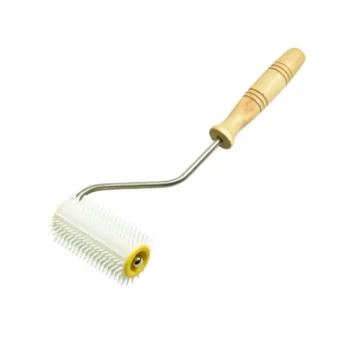
Weekly inspections and manual removal of queen cells are the primary defense against uncontrolled swarming. Technically, this process interrupts the colony's reproductive cycle by physically destroying queen cells and cups before they reach maturity. This ensures the beekeeper retains control over the hive population and prevents the biological trigger that leads to colony division.
The swarming instinct becomes nearly irreversible once a queen cell is sealed. Therefore, the mechanical destruction of these structures on a weekly basis is a vital preventative measure to secure colony retention.
The Biological Imperative of Weekly Checks
Interrupting the Swarm Cycle
The primary technical goal of this maintenance is to override the colony's natural instinct to divide.
By manually removing queen cells and cups, you are effectively resetting the biological clock of the hive. This mechanical intervention stops the development of a new queen, forcing the colony to remain focused on resource gathering rather than reproduction.
The "Point of No Return"
Timing is the most critical variable in this process.
Once a queen cell is sealed, the colony's swarming instinct shifts from a potentiality to a near-certainty. At this stage, the process is practically irreversible, and the colony will likely swarm regardless of subsequent interventions.
Preventing Colony Loss
The destruction of these cells preserves the workforce.
If a swarm occurs, the apiary loses a significant portion of its adult bee population and the original queen. Weekly maintenance prevents this loss of "biological assets," maintaining the hive at full strength for honey production or pollination services.
Secondary Technical Benefits
Disease and Pest Vector Control
While the primary focus is swarm control, these inspections serve a dual purpose as a sanitation audit.
Regular cleaning allows for the removal of debris and waste that often harbor pathogens. This preventive maintenance is essential for blocking the establishment of colony diseases.
Early Detection of Infestation
Weekly eyes-on-the-hive allows for the identification of destructive pests before they cause systemic failure.
Beekeepers can spot early signs of wax moths, ants, or termites during these checks. Catching these infestations in their nascent stages significantly increases the probability of colony survival and stability.
Understanding the Trade-offs
Labor Intensity vs. Risk
This method of management is labor-intensive and requires strict adherence to a schedule.
Missing a single weekly cycle during peak season can result in sealed cells and a subsequent swarm. The trade-off is high labor input in exchange for high security against population loss.
Disruption to the Colony
Frequent opening of the hive does cause temporary stress to the bees.
However, the technical consensus is that the risk of losing the colony to a swarm or an unchecked infestation far outweighs the temporary disruption caused by the inspection itself.
Making the Right Choice for Your Apiary
To effectively manage your hives, align your actions with your specific maintenance goals:
- If your primary focus is Swarm Prevention: Prioritize the identification and destruction of queen cups and cells before they are sealed to stop the irreversible swarm instinct.
- If your primary focus is Colony Health: Utilize the inspection time to clear debris and scan for early indicators of pests like wax moths or ants to prevent disease vectors.
Consistent, mechanical intervention is the only reliable method to ensure a controlled and stable apiary.
Summary Table:
| Technical Focus | Impact on Colony | Timing Criticality |
|---|---|---|
| Swarm Prevention | Interrupts reproductive cycle; resets biological clock | High (Must act before cells are sealed) |
| Population Retention | Prevents loss of adult bees and original queen | Essential for honey/pollination yields |
| Sanitation Audit | Removes debris and blocks pathogen establishment | Medium (Ongoing maintenance) |
| Pest Monitoring | Early detection of wax moths, ants, and termites | Medium (Prevents systemic failure) |
Scaling Your Apiary Operations with HONESTBEE
Maintaining a strict inspection schedule requires the right tools and equipment to ensure efficiency and colony safety. At HONESTBEE, we specialize in supporting commercial apiaries and distributors with a comprehensive wholesale portfolio.
Whether you need precision hive-making machinery, high-capacity honey-filling machines, or a steady supply of essential beekeeping tools and consumables, we provide the hardware necessary to keep your colonies productive and secure.
Ready to upgrade your commercial beekeeping infrastructure? Contact us today to learn how our specialized equipment can streamline your maintenance and maximize your apiary's output.
References
- Jonael Bosques, Jamie Ellis. Manejo de Enjambres en Apiarios. DOI: 10.32473/edis-in1365-2022
This article is also based on technical information from HonestBee Knowledge Base .
Related Products
- Stainless Steel Scraper for Metal Queen Bee Excluders
- JZBZ Style Push-In Cell Protector for Professional Queen Rearing Kits
- Lightweight Durable Plastic Queen Excluder Scraper for Beekeeping
- Professional Dual Action Queen Excluder Scraper for Beekeeping
- Premium Nicot Style Cell Bar Holder and Queen Cell Cup Holder System
People Also Ask
- How does a queen-bee excluder function as a defense against Small Hive Beetles? Protect Your Honey with Resource Denial
- What are the characteristics of a stainless steel queen excluder? Maximize Your Apiary's Longevity & Hive Fit
- What types of queen excluders are available for beekeepers? Choose the Right Tool for Your Hive
- Why are standardized hive frames and queen excluders essential for maintaining honey purity and quality? Scale Your Purity
- What is the function of the queen excluder in the brood break induction process? Optimize Your Varroa Mite Control