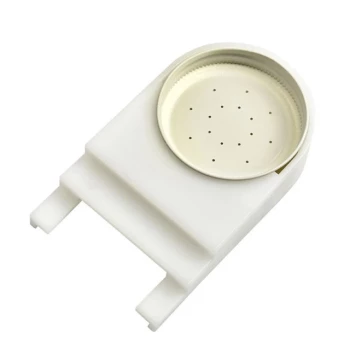
The primary technical purpose of specialized feeding equipment is to artificially bridge the nutritional gap during periods when natural nectar and pollen are unavailable. By delivering controlled quantities of sugar syrup or nutritional supplements, this equipment prevents colony starvation and maintains the biological momentum of the hive.
Core Insight: The ultimate goal of supplemental feeding is operational continuity. While preventing starvation is the immediate need, the strategic objective is to keep the queen laying and the workforce strong so the colony can instantly capitalize on the next natural nectar flow without a recovery lag.
The Mechanics of Colony Survival
Preventing Nutritional Bankruptcy
During nectar dearths, a colony consumes its stored resources rapidly. If these stores are exhausted, the colony faces immediate starvation.
Specialized feeding equipment intervenes by providing essential energy sources, such as sugar syrup. This artificial supply halts the depletion of hive reserves, ensuring the bees have the calories required to generate heat and maintain basic metabolic functions.
Mitigating Colony Absconding
When resources hit critical lows, colonies often engage in "absconding"—abandoning the hive entirely to seek better resources elsewhere.
Using feeders to provide a steady, reliable food source stabilizes the colony's environment. This intervention drastically reduces the stress on the hive, preventing mass departure and preserving your livestock assets.
Maintaining Biological Momentum
Sustaining the Queen’s Laying Rate
The most critical technical function of feeding during a dearth is its impact on the queen bee. In nature, a lack of incoming food signals the queen to stop laying eggs to conserve resources.
By using feeding equipment to simulate resource availability, you ensure the queen continues to lay eggs. This prevents a dangerous break in the brood cycle, which would otherwise result in a population crash weeks later.
Ensuring Workforce Readiness
A colony's productivity is dictated by its population size. If a colony shrinks during a dearth, it must spend the first weeks of the next bloom rebuilding its numbers rather than collecting honey.
Supplemental feeding keeps the population of worker bees robust. This ensures that a full-strength army of foragers is ready to deploy immediately when the next major nectar flow begins, maximizing production efficiency.
Specialized Applications: Queen Breeding
Stimulating Royal Jelly Production
For queen breeders, feeding equipment serves a precise physiological purpose beyond basic survival. It is used to simulate a natural nectar flow.
By regulating the feed supply, breeders can trick the colony into a "wealth" mindset even during dry seasons. This stimulates nurse bees to secrete royal jelly, which is essential for the successful development of new queen cells.
Understanding the Trade-offs
The Necessity of Balanced Nutrition
While sugar syrup provides energy (carbohydrates), it does not provide the protein required for raising larvae.
Specialized devices must often be paired with pollen substitutes or grain flours. Relying solely on sugar syrup during prolonged dearths can maintain adult bees but may result in a protein deficiency that stunts brood development.
Precision vs. Volume
The effectiveness of this technique relies on "controlled quantities" rather than indiscriminate feeding.
Overfeeding or improper delivery can lead to resource waste or pest issues. The technical value of specialized equipment lies in its ability to deliver the exact amount of feed required to maintain the colony without overwhelming the hive infrastructure.
Making the Right Choice for Your Goal
To apply this to your apiary management strategy, consider your immediate objectives:
- If your primary focus is Colony Survival: Prioritize energy delivery via sugar syrup to prevent starvation and stop the colony from absconding during the dry season.
- If your primary focus is Honey Production: Begin feeding before the flow starts to maintain a high population of foragers, ensuring the hive is at peak strength when flowers bloom.
- If your primary focus is Queen Rearing: Use feeders to simulate a heavy flow, combining syrup with protein supplements to maximize royal jelly secretion and acceptance of queen cells.
Strategic feeding transforms a dearth from a period of decline into a phase of maintenance and preparation.
Summary Table:
| Technical Objective | Primary Function | Key Benefit |
|---|---|---|
| Survival | Artificial energy delivery | Prevents starvation and hive absconding |
| Biological Momentum | Simulates nectar flow | Keeps queen laying and prevents population crashes |
| Productivity | Workforce maintenance | Enables immediate honey collection at next flow |
| Queen Rearing | Stimulates nurse bees | Maximizes royal jelly production and cell acceptance |
Maximize Your Apiary's Potential with HONESTBEE
Don't let nectar dearths compromise your productivity. HONESTBEE provides professional-grade beekeeping tools, machinery, and consumables specifically designed for commercial apiaries and distributors. From high-capacity feeding systems to hive-making and honey-filling machinery, we empower you to maintain operational continuity and scale your business efficiently.
Partner with HONESTBEE today to secure your colony's future.
Contact Our Wholesale Experts
References
- Asmiro Abeje, Lijalem Abebaw. Adoption and intensity of modern bee hive in Wag Himra and North Wollo zones, Amhara region, Ethiopia. DOI: 10.51599/are.2017.03.01.01
This article is also based on technical information from HonestBee Knowledge Base .
Related Products
- HONESTBEE Professional Hive Top Bee Feeder Feeding Solution
- Professional Hive Top Bee Feeder for Beekeeping
- Professional In-Hive Bee Feeder HONESTBEE Frame for Beekeeping
- HONESTBEE Professional Entrance Bee Feeder Hive Nutrition Solution
- HONESTBEE Entrance Bee Feeder Efficient Hive Front Liquid Feeding Solution for Beekeeping
People Also Ask
- How does a bee hive top feeder work? A Guide to Efficient, Protected Feeding
- Do I need an inner cover with a hive top feeder? Optimize Your Hive Setup for Healthy Bees
- What is a hive top feeder? A Guide to Efficient, Low-Stress Beekeeping
- What is a hive top feeder, and how does it work? A Complete Guide to Efficient In-Hive Feeding
- What are the characteristics, advantages, and disadvantages of hive top feeders? Optimize Your High-Volume Feeding