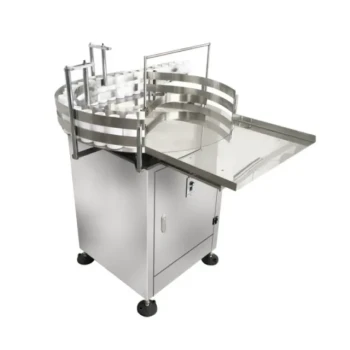
Controlled feeding systems represent the next evolution in apiary management. These systems implement a "limited-time exposure" strategy that optimizes acaricidal efficacy while safeguarding honeybee physiological recovery. By automating the dosage and duration of treatments, these devices bridge the gap between high-yield mite control and long-term colony longevity.
Core Takeaway: Controlled feeding systems solve the critical dilemma of dosage volatility by providing a physical and temporal barrier that ensures therapeutic concentrations without crossing into honeybee toxicity. For B2B partners, these precision tools are essential components of a professional, full-spectrum product portfolio designed for high-efficiency commercial beekeeping.
Precise Temporal Control for Physiological Recovery
Optimizing Exposure Windows
Research indicates that certain substances, such as Lithium Chloride, require precise timing to be effective without causing harm. A short-term administration of approximately three days can significantly reduce mite populations.
Facilitating Biological Recovery
By limiting exposure through automated control, the honeybees' physiological functions are allowed to recover after the treatment peak. This balance ensures high acaricidal efficacy while maintaining the overall health and safety of the colony.
Reducing Biological Pressure
Precise application equipment ensures that acaricide dosages remain within effective thresholds that do not harm the bees. This precision is vital for colonies with weakened immune systems due to climate change or environmental stress.
Environmental Stability and Volatility Regulation
Managing Temperature Sensitivity
The evaporation rate of essential oils, such as menthol, is highly sensitive to environmental temperature fluctuations. Without controlled-release systems, inconsistent weather can lead to unstable and ineffective medicinal concentrations.
Preventing Toxic Spikes
Specialized delivery systems use physical barriers or porous media to regulate the release speed of active substances. This prevents high-concentration spikes that could be lethal to honeybee larvae during sudden temperature increases.
Consistency Across Seasons
Controlled feeding ensures a consistent therapeutic concentration despite seasonal changes. This reliability is a key selling point for professional beekeepers who require predictable results across diverse climates.
Maintaining Apiary Security and Order
Eliminating Robbing Behavior
Professional feeders utilize sealed or semi-sealed designs to minimize the diffusion of volatile sweet scents. By containing these scents, the system prevents scout bees from neighboring colonies from detecting resources.
Reducing Large-Scale Conflict
Preventing the detection of exposed resources significantly reduces the risk of large-scale robbing. This maintains order within the production environment and prevents the spread of pathogens between colonies.
Enhancing Operational Efficiency
A secure feeding environment allows beekeepers to manage larger apiaries with less supervision. This technical advantage translates to lower labor costs and more stable honey production for commercial operations.
Understanding the Trade-offs
System Complexity and Maintenance
While precision systems offer superior control, they involve more moving parts or specialized media than traditional methods. Distributors should note that these systems require technical expertise and regular maintenance to ensure long-term functionality.
Initial Investment vs. Long-Term Yield
The upfront cost of automated or controlled-release hardware is higher than manual dosing. However, the reduction in colony loss and the prevention of chemical toxicity typically offer a higher return on investment for professional-scale users.
Synergistic Toxicity Risks
Even with precision tools, beekeepers must be aware of environmental pollutants. Precision equipment helps avoid synergistic toxic effects between pesticide residues and external stressors, but it cannot eliminate environmental risks entirely.
Leveraging Precision Systems for Market Growth
As a distributor or wholesaler, incorporating controlled feeding systems into your catalog demonstrates deep professional industry expertise. Providing these high-performance solutions meets the growing demand for precision agriculture tools in the beekeeping sector.
- If your primary focus is high-volume commercial clients: Emphasize the labor-saving benefits and the reduction in colony mortality rates through precise dosage control.
- If your primary focus is premium retail distribution: Highlight the safety features that protect bee larvae and the prevention of robbing behavior in dense apiaries.
- If your primary focus is rapid market penetration: Leverage our ultra-fast delivery and one-stop sourcing to provide a comprehensive suite of precision treatment hardware.
By integrating these advanced feeding systems, beekeepers can achieve a higher standard of hive health and operational stability.
Summary Table:
| Feature | Technical Value | Business Impact for Distributors |
|---|---|---|
| Temporal Control | Limits exposure to ~3 days; allows physiological recovery. | Higher ROI through reduced colony mortality. |
| Volatility Regulation | Prevents toxic spikes from temperature-sensitive essential oils. | Reliable product performance in diverse climates. |
| Anti-Robbing Design | Sealed feeders contain scents to prevent inter-colony conflict. | Lower labor costs & stable honey production. |
| Dosage Precision | Maintains therapeutic levels without crossing toxicity thresholds. | Premium positioning in the precision agri-tool market. |
Scale Your Apiary Business with HONESTBEE Precision Solutions
Are you looking to provide your commercial clients with the next generation of beekeeping technology? HONESTBEE is your strategic partner, offering a one-stop sourcing experience for high-performance controlled feeding systems, honey-filling machinery, and essential consumables.
Why partner with us?
- Comprehensive Portfolio: Access a full spectrum of professional hardware and industry-leading consumables.
- B2B Advantage: We cater specifically to distributors and wholesalers with competitive margins and OEM/ODM support.
- Rapid Fulfillment: Benefit from our ultra-fast delivery and efficient order processing to keep your supply chain lean.
- Industry Expertise: Leverage our deep professional knowledge to provide superior technical support to your customers.
Ready to upgrade your inventory with precision tools? Contact our sales team today to request a wholesale catalog and see how our one-stop sourcing can drive your market growth!
References
- Mojtaba Esmaeily, Chuleui Jung. Behavioral and molecular disruptions in honey bees induced by lithium chloride exposure. DOI: 10.1038/s41598-025-21359-x
This article is also based on technical information from HonestBee Knowledge Base .
Related Products
- HONESTBEE Entrance Bee Feeder Efficient Hive Front Liquid Feeding Solution for Beekeeping
- Classic Boardman Entrance Bee Feeder Hive Front Feeding Solution
- In-Hive Dual Compartment Frame Bee Feeder for Targeted Colony Nutrition
- HONESTBEE Professional Hive Top Bee Feeder Feeding Solution
- Plastic Honey Gate Spout with Wing Nut for Beekeeping Honey Bucket
People Also Ask
- What types of bee feeders are available for beginners? Start with the Simple Entrance Feeder
- What are the advantages and disadvantages of using an entrance feeder for bees? Balance Convenience and Hive Security.
- What is a bee entrance feeder and what are its drawbacks? Essential Guide to Hive Security and Feeding Efficiency
- How does a bee entrance feeder work? A Simple Guide to Convenient Hive Feeding
- How to make an entrance feeder for bees? A DIY Guide for Safe & Effective Feeding