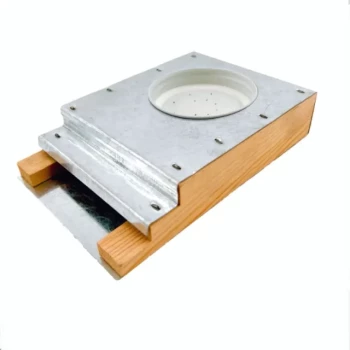
Internal feeders provide a controlled mechanism to deliver precise quantities of artificial energy (syrup) and protein supplements directly to the colony. Their primary technical value lies in preventing starvation-induced colony decline by maintaining the energy reserves required for thermoregulation and continuous brood production during environmental stress.
By bypassing external foraging limitations, internal feeders decouple the colony's survival from environmental scarcity, allowing the queen to continue egg-laying and the workforce to maintain critical hive temperatures throughout winter.
Sustaining Biological Functions During Scarcity
Ensuring Continuous Brood Rearing
During nectar scarcity, a colony's natural response is often to restrict reproduction to conserve resources. This can lead to a population crash.
Internal feeding sends a signal of abundance to the colony despite external conditions. This ensures the queen continues to lay eggs, maintaining a viable population size ready for the next flowering season.
Thermoregulation and Metabolic Heat
Stingless bees rely on metabolic processes to generate the heat required to survive cold weather.
Access to high-calorie syrup within the hive provides the immediate fuel source needed for this metabolic heat. This allows the colony to maintain a stable internal temperature without depleting their stored honey reserves or exhausting the bees physically.
Strategic Resource Management
Precision in Supplementation
Internal feeders offer a technical advantage over open feeding by allowing for exact dosage control.
Beekeepers can administer precise amounts of feed tailored to the colony's specific size and needs. This prevents the waste of expensive supplements and reduces the likelihood of stimulating aggressive behavior between colonies.
Disease Management and Vitality
Beyond basic nutrition, internal feeders function as a reliable delivery vector for hive health interventions.
As noted in broader apiculture practices, these feeders serve as a medium for administering medications to treat diseases. This helps maintain year-round vitality and ensures the colony retains its capacity for pollination once conditions improve.
Understanding the Trade-offs
Managing Humidity and Spoilage
Introducing liquid feed inside the hive alters the internal microclimate.
If the bees do not consume the syrup quickly, it can ferment or increase humidity levels, leading to fungal growth or mold. It is critical to provide only what the colony can consume within a short period.
Hygiene and Pests
Internal feeders require strict maintenance to prevent contamination.
Residue left in feeders can attract internal hive pests or harbor pathogens. Regular cleaning and sterilization of the feeder components are necessary to prevent the tool of survival from becoming a vector for disease.
Making the Right Choice for Your Goal
To maximize the technical value of internal feeders, tailor your approach to the specific needs of the season:
- If your primary focus is Overwintering Survival: Prioritize high-carbohydrate syrup to fuel thermoregulation and keep the cluster warm.
- If your primary focus is Spring Buildup: Incorporate protein feed alongside syrup to stimulate the queen's egg-laying and support larval development.
- If your primary focus is Disease Treatment: Use the feeder as a precise delivery system for medications, ensuring the correct dosage is consumed by the colony.
Strategic use of internal feeders transforms winter management from a game of chance into a controlled, data-driven process for colony preservation.
Summary Table:
| Technical Value | Primary Benefit | Operational Impact |
|---|---|---|
| Sustained Brood Rearing | Signals resource abundance | Prevents population crashes during scarcity |
| Thermoregulation | Provides immediate metabolic fuel | Maintains stable hive temperature in cold weather |
| Precision Dosage | Controlled syrup/protein delivery | Reduces waste and prevents inter-colony aggression |
| Health Intervention | Direct delivery vector | Facilitates accurate administration of medications |
Maximize Your Colony Productivity with HONESTBEE
At HONESTBEE, we understand that commercial apiaries and distributors require more than just supplies; they need professional-grade solutions to ensure colony survival and operational efficiency. Whether you are managing large-scale stingless bee operations or supplying the beekeeping industry, our comprehensive wholesale portfolio has you covered.
From specialized internal feeders and hive-making machinery to honey-filling equipment and essential consumables, we provide the tools needed to transform winter management into a precise, data-driven process. Partner with HONESTBEE to access high-quality hardware and honey-themed cultural merchandise designed for the global market.
Ready to scale your beekeeping business? Contact our expert team today for wholesale solutions!
References
- Bruna Bianchini Gomes, Alex Sandro Poltronieri. Perfil dos meliponicultores e aspectos da criação de abelhas sem ferrão em Santa Catarina. DOI: 10.52945/rac.v35i3.1471
This article is also based on technical information from HonestBee Knowledge Base .
Related Products
- Professional In-Hive Bee Feeder HONESTBEE Frame for Beekeeping
- In-Hive Dual Compartment Frame Bee Feeder for Targeted Colony Nutrition
- White Plastic 0.5L Beekeeping Entrance Feeder for Bees
- 3.5L Plastic Beehive Frame Feeder Deep Frame Water Feeder for In Hive Use
- Professional In-Hive Frame Bee Feeder by HONESTBEE
People Also Ask
- When should beekeepers stop feeding their bees? Let Your Bees Tell You
- Why is the use of a beekeeping feeder for syrup supplementation important? Boost Colony Growth and Survival
- What are the common types of internal and external feeders used in beekeeping? Choose the Right Feeder for Your Hive
- What is a feeder in the context of beekeeping? Optimize Your Hive Nutrition and Growth
- How do specialized feeders contribute to effective artificial feeding? Scientific Apiary Management & Colony Health