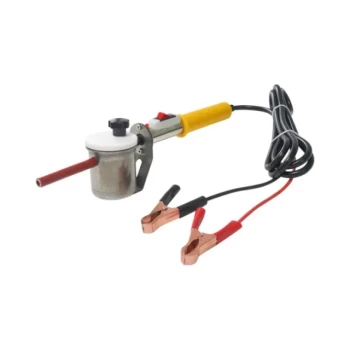
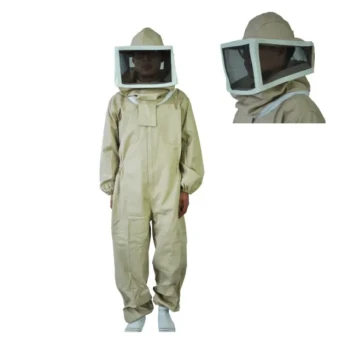
A bee smoker works by delivering controlled, cool smoke into the hive, temporarily reducing the colony’s defensive response. The smoke interferes with the spread and detection of alarm pheromones, while also triggering an instinctive feeding response in the bees. This gives beekeepers a safer window to inspect hives, manipulate frames, manage pests, and harvest honey.
A bee smoker is essential because it helps control bee defensive behavior without relying on force. When used correctly, it protects the beekeeper, reduces accidental bee losses, and makes routine apiary work more precise and efficient.
How a Bee Smoker Works
The Main Components
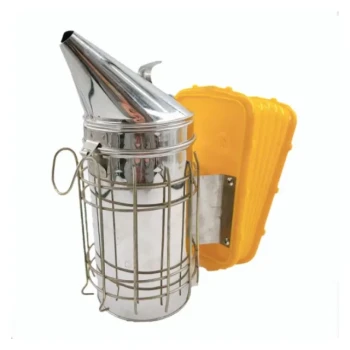
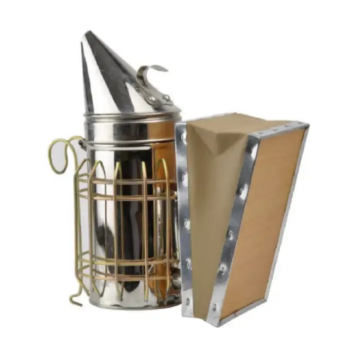
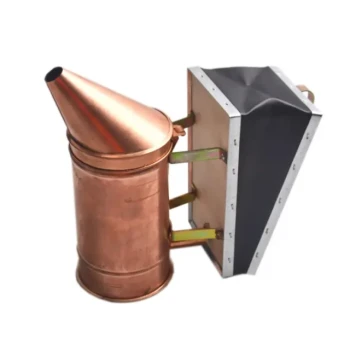
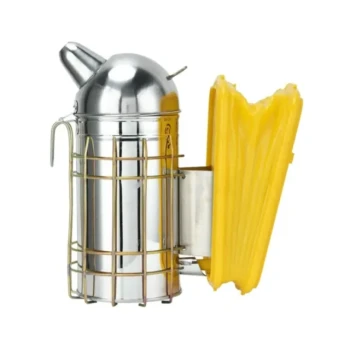
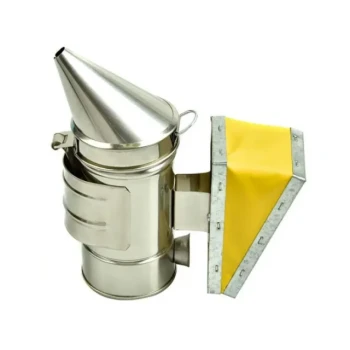
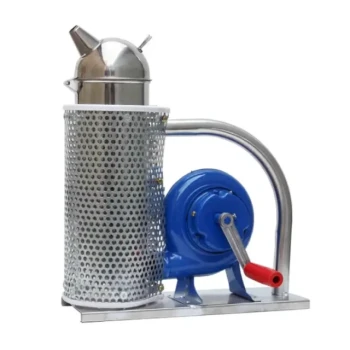
A traditional bee smoker has two primary parts: a fuel chamber and an attached bellows.
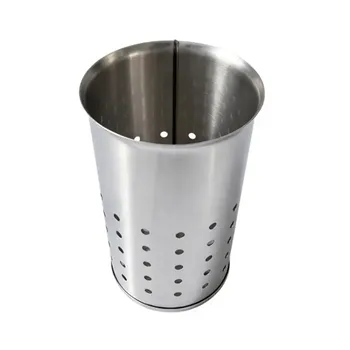
The fuel chamber holds a slow-burning material that produces smoke. The bellows forces air into the chamber and directs a controlled stream of smoke through the nozzle.
Producing Cool Smoke
The smoker is designed to generate cool smoke rather than an open flame. The fuel should smolder steadily, allowing the beekeeper to apply small amounts of smoke without exposing the colony to excessive heat.
Controlled airflow is important. Too little airflow can extinguish the fuel, while too much can create excessive heat or an overly strong stream of smoke.
Disrupting Alarm Communication
When bees perceive a threat, they release alarm pheromones and other chemical signals that encourage defensive behavior among colony members.
Smoke interferes with the transmission and detection of these signals. It does not permanently change the colony’s behavior, but it temporarily reduces the effectiveness of the alarm response.
Triggering a Feeding Response
Smoke also prompts bees to consume honey in preparation for a possible need to relocate. This instinctive response distracts them from immediate defensive activity and makes the colony more manageable during short periods of hive work.
The result is a calmer working environment, provided the smoke is applied lightly and appropriately.
Why a Smoker Is Essential for Apiary Maintenance
Safer Hive Inspections
Routine inspections require opening the hive, removing frames, and examining the brood, food stores, queen, and colony condition. Without smoke, these actions can rapidly trigger defensive behavior.
A smoker gives the beekeeper time to complete these tasks with a lower risk of stings and sudden bee movement.
More Controlled Frame Handling
Frame manipulation can disturb bees and increase the chance of crushing them between boxes or frames. A moderate amount of smoke encourages bees to move away from working areas.
This improves handling precision and can reduce unnecessary bee mortality during inspections and comb management.
Supporting Honey Harvesting
Honey harvesting involves removing and transporting frames from the colony. Smoke helps maintain control while the beekeeper separates honey frames and performs related apiary tasks.
A calmer colony also makes the process more predictable for teams working across multiple hives.
Enabling Pest and Colony Management
Beekeepers may need to inspect for pests, disease indicators, damaged comb, or poor colony development. These procedures often require extended access to the hive.
By reducing defensive activity, a smoker allows technicians to focus on accurate observations and careful interventions rather than rushing to close the hive.
Improving Operational Efficiency
For commercial apiaries and professional service teams, reliable hive access directly affects productivity. A properly functioning smoker helps workers complete standardized inspections with fewer interruptions.
For distributors and resellers, this makes the bee smoker a core item within a broader apiary equipment portfolio rather than an optional accessory.
What Makes a Bee Smoker Suitable for Professional Use
Reliable Smoke Control
A quality smoker should produce a steady, controllable output. The bellows should deliver consistent airflow, and the fuel chamber should support stable smoldering.
Unpredictable smoke output makes hive work less efficient and increases the risk of overheating or inadequate colony control.
Durable Construction
Apiary equipment is exposed to heat, ash, moisture, impact, and repeated handling. Durable materials and secure component connections are therefore important for long service life.
For B2B buyers, product durability affects warranty exposure, customer satisfaction, and repeat orders.
Practical Handling
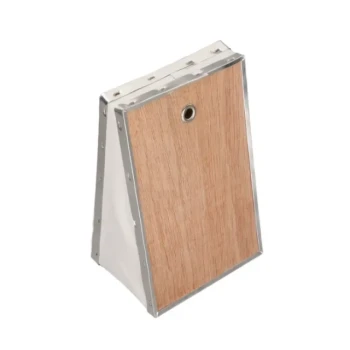
The smoker should be easy to ignite, hold, operate, and refill during fieldwork. A protective heat shield and a stable base can improve handling safety and reduce the likelihood of accidental contact with hot surfaces.
Ergonomics matter particularly for commercial beekeepers who may use the tool throughout long inspection sessions.
Consistent Supply and Service
Professional buyers often need more than a single product specification. They may require multiple smoker sizes, complementary protective equipment, hive tools, fuel materials, and replacement components.
A supplier with a full-spectrum portfolio, rapid response, dedicated service, and efficient fulfillment can simplify procurement for distributors, wholesalers, and apiary operators.
Understanding the Trade-offs
Smoke Is a Temporary Control Method
A bee smoker does not eliminate defensive behavior or replace good beekeeping practice. Its effect is temporary, so the beekeeper must continue working calmly and close the hive when the task is complete.
Excessive reliance on smoke can conceal problems rather than solve them.
Too Much Smoke Can Stress the Colony
Smoke should be applied in small, controlled puffs. Heavy or continuous smoke can unnecessarily disturb the colony, contaminate working conditions, and make it harder to observe natural bee behavior.
The objective is to interrupt defensive communication, not to saturate the hive.
Hot Smoke Can Cause Harm
Improperly managed fuel or excessive airflow may produce smoke that is too hot. This can damage bees, comb, or hive components.
The smoker must be operated with attention to fuel condition, airflow, nozzle temperature, and the distance between the smoker and the hive entrance.
Fuel Selection Affects Performance
Different fuels burn at different rates and produce different smoke characteristics. Suitable fuel should smolder cleanly and consistently without producing excessive heat or harmful residues.
For commercial supply, fuel compatibility and clear operating guidance are important parts of the product offering.
Weather and Colony Conditions Still Matter
Wind can disperse smoke before it reaches the intended area, while unusually defensive colonies may require more careful handling. Colony temperament, season, nectar availability, and local conditions also affect how bees respond.
A smoker improves control, but it does not remove the need for experience and appropriate protective equipment.
Making the Right Choice for Your Goal
The best bee smoker is one that matches the operating scale, working conditions, and service expectations of its users.
- If your primary focus is beekeeper safety: Choose a smoker with dependable airflow, controlled cool smoke, a heat shield, and stable handling characteristics.
- If your primary focus is colony welfare: Prioritize clean-burning fuel compatibility and precise smoke control to minimize unnecessary disturbance.
- If your primary focus is commercial apiary efficiency: Select durable equipment that supports repeated inspections, frame handling, pest management, and honey harvesting.
- If your primary focus is distribution or wholesale supply: Work with a responsive supplier offering consistent quality, complementary apiary products, professional support, and fast order fulfillment.
Used correctly, a bee smoker gives beekeepers the control needed to maintain colonies safely, efficiently, and with minimal disruption.
Summary Table:
| Aspect | Key Point |
|---|---|
| Mechanism | Delivers cool smoke to disrupt alarm pheromones and triggers feeding response, reducing defensiveness. |
| Essential for | Safer inspections, controlled frame handling, honey harvesting, pest management, and efficiency. |
| Professional suitability | Reliable smoke control, durable construction, practical handling. |
| Trade-offs | Temporary effect, overuse can stress bees, hot smoke causes harm, fuel selection and weather matter. |
Equip your operation with reliable bee smokers and full-spectrum apiary supplies. Whether you're a commercial beekeeper or distributor, HONESTBEE ensures rapid delivery, OEM/ODM support, and professional service to keep your hives thriving. Contact us today for tailored sourcing solutions!
Related Products
- Professional Bee Smoker with Elongated Spout and Durable Bellows for Beekeeping
- Stainless Steel Honey Bee Smoker Hive and Honeycomb Smoker for Beekeeping
- European Stainless Steel Bee Smoker for Honey Bee Hive
- Premium Traditional Copper Bee Smoker with Bellows
- Heavy-Duty Bee Smoker with Durable Plastic Bellows for Beekeeping
People Also Ask
- What roles do bee smokers and precision tools play in honey harvesting? Master Safety and Quality Control
- Why is a professional bee smoker considered an essential tool for hive management and safety? Master Colony Control.
- Why is the use of professional bee smokers and specialized fuel essential? Protect Honey Purity & Colony Safety
- Why is a professional Smoker essential during routine apiary inspections? Enhance Safety and Operational Efficiency
- How do professional bee smokers facilitate bee management? Enhancing Forest Beekeeping Safety and Efficiency