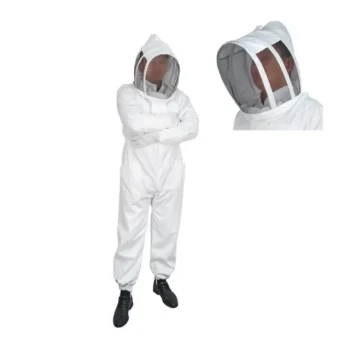
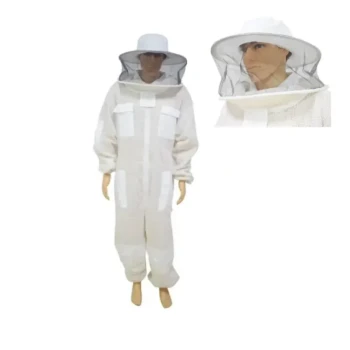
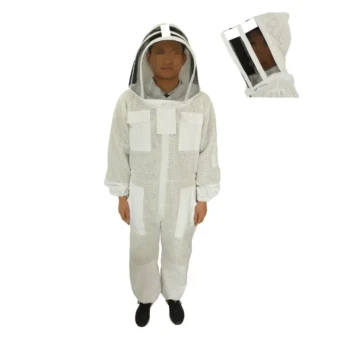
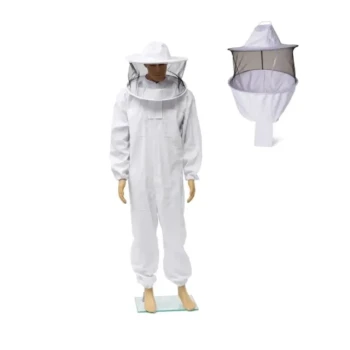
When selecting protective bee suits and jackets, evaluate both barrier performance and worker usability. Prioritize light-colored, smooth, breathable fabric; a loose fit; a structured veil with clear facial clearance; and secure seals at the head, wrists, waist, and ankles. Wearing protocols are equally important: gloves must overlap sleeves, trousers must overlap tall boots, and every closure should be checked before entering the apiary.
The best protective garment is not simply the thickest one. It must prevent bee entry and reduce sting exposure while allowing clear vision, ventilation, mobility, and reliable closure throughout demanding apiary work.
Start With the Core Protection Requirements
Choose Light-Colored, Smooth Fabric
White and other light colors are preferred because they reflect solar heat and are less likely to trigger defensive reactions than dark colors. They also make bees clinging to the garment easier to see before the worker removes the suit.
The outer surface should be smooth rather than coarse or heavily textured. A smooth fabric is less likely to catch bees’ feet or stingers and is easier to inspect for insects before removal.
Select a Roomy, Non-Restrictive Fit
Protective clothing should be loose enough to create working clearance between the fabric and the skin. A tight garment stretches across the body, restricts movement, and can reduce the effective protection of the material.
The cut should allow workers to bend, reach, lift frames, and handle equipment without pulling the fabric tight. For commercial operations, consistent sizing and clear measurement charts are essential for reducing fit-related returns and unsafe substitutions.
Evaluate Ventilation and Material Weight
Breathable fabric is important because full protective suits can cause thermal exhaustion during warm-weather work. Ventilated construction can improve comfort, but it must not create openings large enough for bees to penetrate.
For hot climates or long inspection periods, compare fabric breathability, ventilation panels, and overall weight rather than evaluating sting resistance alone. Worker comfort directly affects concentration and handling precision.
Protect the Head, Face, and Neck
Use a Securely Integrated Veil
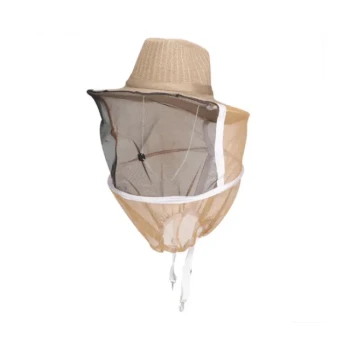
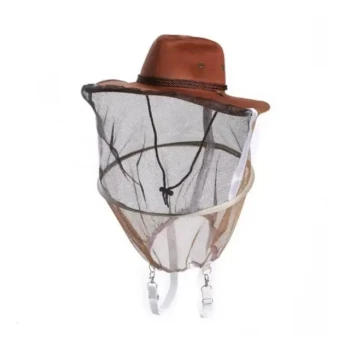
The veil should form a continuous barrier around the head and neck. A suit or jacket with an integrated veil, or a veil attached with a secure zipper, reduces the chance of gaps opening during movement.
The connection between the veil and garment is a critical inspection point. Check the zipper, fasteners, seams, and overlapping fabric for openings before every use.
Maintain Clearance From the Face
The mesh should remain well away from the eyes, ears, mouth, and nose. A veil that collapses against the face provides less protection and can interfere with vision and breathing comfort.
Structured or hooded veils with an internal cap can help maintain this clearance. Round veils may provide a broad field of view, while detachable designs can be convenient during breaks if they reconnect securely and are not removed inside an active apiary.
Confirm Vision and Ventilation
Mesh must be fine enough to block bees while still providing an unobstructed field of vision. Workers should evaluate the veil in bright sun, shade, and with any eyewear they normally use.
Poor visibility can create a secondary hazard when handling frames, tools, or heavy supers. A practical fit test should confirm that the veil does not obstruct peripheral vision or press against the face when the worker bends and turns.
Seal Every Route of Entry
Secure the Wrists and Sleeves
Elasticated cuffs or adjustable wrist closures should fit closely without restricting circulation. Sleeves must be pulled over or otherwise securely integrated with the gloves so that no skin gap appears when the worker reaches forward.
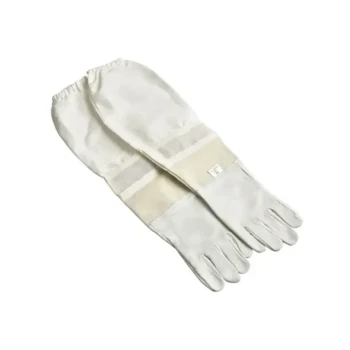
Gloves should overlap the sleeves, not merely meet them edge to edge. This overlap should remain intact during lifting, bending, and repetitive frame handling.
Close the Waist and Jacket Opening
Jackets should provide a reliable closure around the torso and waist. The design must prevent bees from entering between the jacket and trousers when the worker bends or stretches.
For two-piece systems, confirm that the jacket and trousers overlap adequately during normal work movements. A full suit may provide more continuous coverage, while a two-piece suit can be easier to put on, remove, and move in.
Seal the Ankles and Boots
Ankle elastics or adjustable closures should prevent bees from entering at the lower leg. Trouser legs should be tucked into tall boots, such as rubber boots, rather than left outside the footwear.
This is especially important when bees fall to the ground during frame movement. Without a lower-leg seal, they may crawl upward inside the trousers.
Match the Garment to the Work
Jackets Versus Full Suits
A jacket may be suitable when the work environment and clothing system provide dependable protection for the lower body. It still requires a properly sealed waist, sleeves, gloves, trousers, and boots.
A full suit offers more continuous coverage and is appropriate when workers need maximum body protection. However, it can be hotter and less agile, so ventilation, fit, and worksite ergonomics become more important.
One-Piece Versus Two-Piece Designs
Two-piece suits are generally easier to put on and remove and may provide greater mobility when bending. One-piece suits can reduce the number of garment interfaces, but they may be less convenient during breaks or when workers need to remove only part of the equipment.
The choice should reflect the task, climate, duration of exposure, and the consistency with which workers will follow closure procedures.
Complete the PPE System
Protective clothing should be evaluated as a system rather than as an isolated jacket or suit. Gloves must provide adequate sting resistance while preserving the dexterity needed for precise hive work.
Leather or goatskin gloves are commonly suited to intensive handling because they balance durability and dexterity. Nitrile gloves can offer high dexterity but may tear more easily and cause sweating during heavy use.
Establish Safe Wearing and Work Protocols
Inspect Before Entering the Apiary
Workers should inspect the veil, zippers, seams, cuffs, elastic, and fabric for damage before approaching the hives. Particular attention should be given to areas that flex repeatedly, such as the neck, wrists, ankles, and waist.
Any tear, failed closure, or damaged mesh should be repaired or replaced before use. A fast visual inspection is especially important when garments are shared across a commercial workforce.
Dress in the Correct Sequence
Workers should fully close the suit or jacket before entering the active work area. Sleeves should be secured inside or under the gloves, and trouser legs should be secured inside tall boots.
The final check should confirm that the veil is sealed, the mesh is clear of the face, and no skin is exposed at the neck, wrists, waist, or ankles.
Remove Bees and Garments Carefully
Workers should check the outside of the garment for clinging bees before removing it. Removing protective clothing near active hives can allow bees trapped on the exterior to reach exposed skin.
Detachable veils can simplify removal during breaks, but they should only be detached in a controlled location away from active colonies. The garment should be stored and maintained so that bees, moisture, and contamination do not compromise future use.
Control Heat and Movement Risks
Protective gear can contribute to heat stress, particularly during prolonged work in direct sunlight. Shade, breathable construction, work-rest planning, and access to hydration should be considered alongside garment selection.
Apiary layout also matters. Hives should not require workers to use steep ladders, fire escapes, or narrow hatches while carrying heavy supers in restrictive protective equipment. Providing stable standing areas and shade improves both comfort and fall-risk control.
Understanding the Trade-offs
Maximum Coverage Versus Heat
A full suit provides continuous coverage but generally retains more heat than a lighter jacket-and-trouser arrangement. Selecting a heavier garment without considering climate and work duration can increase fatigue and reduce worker effectiveness.
The right decision depends on exposure conditions, colony behavior, task duration, and the worker’s ability to remain properly sealed.
Protection Versus Dexterity
Thicker gloves and heavier fabrics may improve barrier protection but can make delicate tasks more difficult. Reduced hand control can lead to rough frame handling, dropped equipment, or slower work.
Gloves should therefore be assessed through practical handling tests, not only by material thickness or marketing claims.
Detachable Components Versus Connection Security
Detachable veils are convenient for breaks and storage, but the attachment system introduces another potential failure point. A quick-release design is only appropriate if it reconnects securely and remains sealed during movement.
For commercial procurement, test the attachment repeatedly and inspect it after laundering or routine cleaning.
Loose Fit Versus Excess Fabric
A roomy fit is necessary to prevent the fabric from stretching against the skin, but excessive fabric can snag on equipment or obstruct movement. The goal is controlled roominess, supported by accurate sizing and adjustable closures.
Ordering one size larger may improve clearance in some ventilated designs, but it should not replace proper measurement and fit testing.
Build a Reliable Commercial Procurement Checklist
Product Specifications to Compare
Distributors, wholesalers, and resellers should compare products using consistent criteria:
- Color: White or another light color that reflects heat and makes bees visible.
- Fabric: Smooth, durable, breathable, and free from unnecessary snag points.
- Fit: Roomy enough for movement without excessive loose material.
- Veil: Fine mesh, adequate facial clearance, stable structure, and secure attachment.
- Closures: Reliable zippers, elastic cuffs, and adjustable ankle and waist seals.
- Integration: Compatibility between sleeves and gloves and between trousers and boots.
- Configuration: One-piece, two-piece, jacket, detachable-veil, and ventilated options.
- Sizing: Clear measurement charts and consistent sizing across repeat orders.
- Quality control: Inspection of seams, mesh, closures, elastic, and finished garments.
Ask Suppliers for Operational Support
A dependable supplier should be able to provide a full product range rather than a single garment style. This may include suits, jackets, veils, gloves, boots, replacement components, and different ventilation or sizing options.
For B2B buyers, response time, sample availability, production consistency, order fulfillment, and after-sales communication are practical indicators of supply reliability. These factors matter when outfitting multiple workers or maintaining recurring inventory.
Validate Before Scaling an Order
Request samples or conduct a controlled trial before committing to a large purchase. Have workers test the garments while bending, reaching, lifting, wearing eyewear, and working in both sun and shade.
Record feedback on heat, visibility, dexterity, closure security, and ease of removal. This process helps prevent a low-cost garment from creating higher costs through returns, inconsistent sizing, or reduced productivity.
Making the Right Choice for Your Goal
Use the following priorities to align product selection with operational needs:
- If your primary focus is sting protection: Choose a light-colored, smooth, roomy garment with a fully sealed veil and secure wrist, waist, and ankle closures.
- If your primary focus is hot-weather productivity: Prioritize breathable construction, shade-compatible work planning, and a fit that allows movement without excessive heat retention.
- If your primary focus is worker mobility: Compare two-piece and jacket-based systems, then verify that gloves, trousers, and boots maintain complete overlap during movement.
- If your primary focus is commercial purchasing: Standardize specifications, sizing, and quality checks across the product range and select a supplier capable of dependable replenishment and rapid fulfillment.
- If your primary focus is user comfort and precision: Test veil visibility, facial clearance, glove dexterity, and garment performance in realistic working conditions.
A well-selected and correctly worn bee suit or jacket creates a dependable protective barrier while helping apiary workers remain cool, mobile, and focused.
Summary Table:
| Specification | Key Points |
|---|---|
| Color & Fabric | Light-colored, smooth, breathable fabric to reflect heat and avoid triggering bees. |
| Fit | Roomy, non-restrictive, allowing movement without tight fabric contact. |
| Veil & Face Protection | Mesh with adequate facial clearance, secure attachment, and good visibility. |
| Closures | Secure seals at wrists, waist, ankles; overlapping gloves and boots to prevent bee entry. |
| Configuration | Jacket vs. full suit; one-piece vs. two-piece; choose based on work needs and climate. |
| Ventilation & Weight | Breathable materials to prevent heat stress, especially in hot conditions. |
| Safety Protocols | Inspect before use, dress correctly, remove bees carefully, and manage heat and movement risks. |
Ensure your team's safety with high-quality protective gear from HONESTBEE. As a comprehensive wholesale supplier for commercial apiaries and distributors, we offer a full spectrum of beekeeping tools and equipment, including certified bee suits and jackets. Benefit from our rapid response, dedicated service, and ultra-fast delivery. For distributors and B2B resellers, we provide OEM/ODM support, consistent quality, and reliable supply. Contact us today to discuss your requirements and receive a tailored quote.
Related Products
- White Cotton Beekeeping Jacket and Veil for Bee Keepers
- Beekeeping Jacket with Hood and Veil for Beekeepers
- Vented Beekeeping Jacket with Hood and Veil for Beekeepers
- Economy Polyester Beekeeping Jacket with Veil and Hat
- Premium Cotton Beekeeper Suit with Reinforced Fencing Veil
People Also Ask
- What are the features of an economical beekeeping jacket? Essential Protection for Budget-Conscious Beekeepers
- What are the pros of using a beekeeping jacket? Unlock Superior Comfort and Mobility for Your Apiary
- What factors should a new beekeeper consider when choosing between a jacket and a full suit? Security vs. Comfort
- What are the advantages of a beekeeping jacket? Superior Mobility & Comfort for Routine Hive Inspections
- When is a beekeeping jacket considered a more suitable choice than a full suit? Optimize Your Apiary Mobility