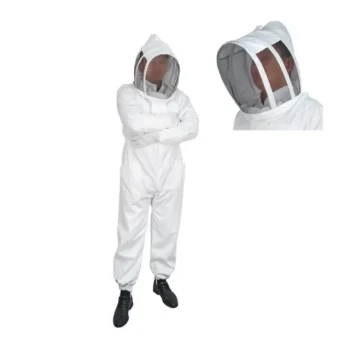
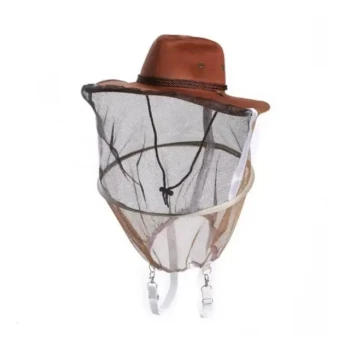
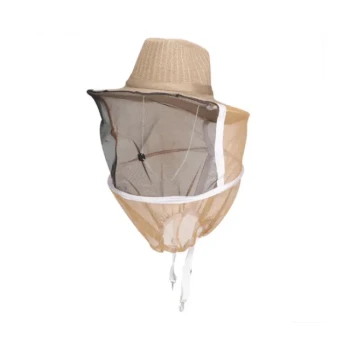
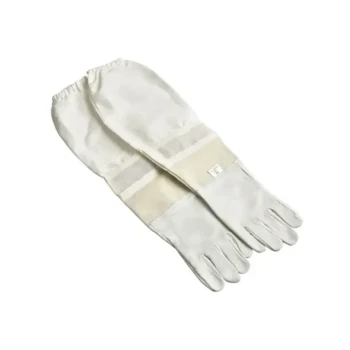
A comprehensive beekeeping safety system is built upon four fundamental components designed to shield the apiarist from stings. The core gear comprises a full-body beekeeping suit, a protective veil for the face and neck, specialized gloves made from leather or fabric, and sturdy boots to protect the feet and ankles.
The objective of safety gear is to create a seamless barrier that protects vulnerable skin without compromising the visibility or mobility required to manage the hive effectively.
The Anatomy of Protective Gear
To understand how to protect yourself effectively, you must view the gear as a cohesive system rather than isolated items. Each component addresses a specific vulnerability.
The Beekeeping Suit
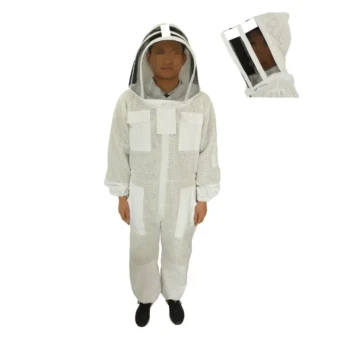
The primary line of defense is the beekeeping suit.
This garment is engineered to cover the entire body, eliminating gaps where bees might enter. It serves as the foundational layer of protection against stings during hive inspections.
The Protective Veil
The head and neck contain the body’s most sensitive areas, making facial protection non-negotiable.
A veil is essential for shielding the face and neck. Crucially, it is designed to maintain visibility, allowing the beekeeper to clearly inspect frames and monitor colony health while remaining protected.
Hand Protection
Because your hands are the primary point of contact with the colony, they are at the highest risk for stings.
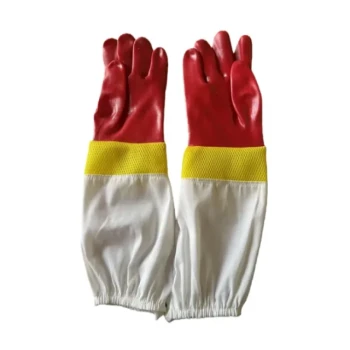
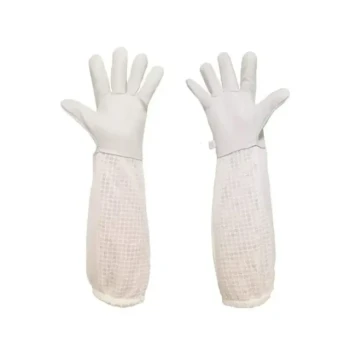
Gloves are necessary to keep hands safe while manipulating hive components. These are typically available in materials such as leather or durable fabric, balancing the need for security with the need for movement.
Foot and Ankle Defense
The lower extremities are often overlooked but are equally susceptible to stings, particularly from bees crawling on the ground.
Sturdy boots provide the necessary additional protection for the feet and ankles. They effectively close the gap between the bottom of the suit and the ground.
Understanding Material Trade-offs
When selecting your gear, particularly gloves, you will encounter choices that require balancing protection against functionality.
Material Density vs. Dexterity
Leather gloves generally offer a robust barrier against stings due to the density of the material.
However, this thickness can reduce tactile sensitivity. Fabric gloves may offer lighter weight and flexibility, but they might provide a different level of puncture resistance compared to leather.
Coverage vs. Heat Management
A suit that covers the entire body ensures maximum safety, but it also traps body heat.
Operators must be aware that while full coverage prevents stings, it requires the beekeeper to manage their physical exertion and hydration carefully while working in the field.
Making the Right Choice for Your Goal
Selecting the correct combination of gear depends on your comfort level and the specific tasks you are performing in the apiary.
- If your primary focus is maximum security: Prioritize leather gloves and a completely sealed full-body suit to minimize any risk of sting penetration.
- If your primary focus is precise manipulation: Consider fabric gloves that may offer slightly more dexterity for handling delicate frames, provided you accept the trade-off in material density.
By rigorously utilizing these four key items, you establish a safety baseline that allows you to work with confidence and focus.
Summary Table:
| Gear Component | Primary Function | Key Features & Materials |
|---|---|---|
| Beekeeping Suit | Full-body protection | One-piece design; creates a total sting barrier |
| Protective Veil | Face & neck defense | High-visibility mesh; protects sensitive areas |
| Gloves | Hand & wrist safety | Leather (maximum protection) or Fabric (dexterity) |
| Sturdy Boots | Foot & ankle shield | Seals suit-to-ground gaps; prevents crawling stings |
Scale Your Apiary Operations with HONESTBEE
Protect your workforce and optimize your production with premium equipment from HONESTBEE. We specialize in providing commercial apiaries and distributors with a comprehensive wholesale catalog, ranging from professional-grade protective gear to advanced machinery like hive-making and honey-filling machines.
Our portfolio covers the full spectrum of industry needs, including essential consumables and unique honey-themed cultural merchandise. Partner with us to access durable, high-performance tools designed for the demands of the modern beekeeping industry.
Contact Our Wholesale Team Today to receive a tailored quote and discover how our equipment can drive your business forward.
Related Products
- Premium Cotton Beekeeper Suit with Reinforced Fencing Veil
- Premium Cowboy Beekeeper Hat with Visibility Veil Outdoor Professional Beekeeping Protective Gear
- White Cotton Beekeeping Jacket and Veil for Bee Keepers
- Beekeeping Gloves Goatskin Leather with Long Cotton Sleeve for Beekeepers
- Beekeeper Cowboy Hat and Veil for Beekeeping
People Also Ask
- What material and design specifications are recommended for a high-quality beekeeper suit? Top Gear Selection Guide
- How to Pre-treat Propolis Stains on Beekeeping Suits? Master Advanced Fabric Care and Soil Removal
- What features should be considered for sting protection in a beekeeping suit? Ensure Total Safety and Comfort
- What are the differences between full suits and jackets with veils in beekeeping? Choose Your Best Protection
- What features should be looked for in a beekeeping suit for maximum comfort? Prioritize Ventilation and Fit