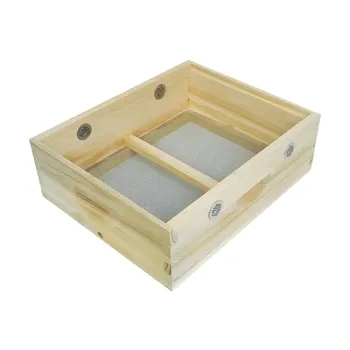
Routine inspection, prompt repair, and effective moisture protection are the most important procedures for extending the service life of wooden hive boxes. Inspect boxes regularly for rot, cracks, loose joints, and tool damage, especially around the bottom edges and exterior joints. Remove localized decay before it spreads, replace it with the same type of wood, and seal the repaired area with a suitable exterior coating.
Wooden hive boxes last longest when moisture is controlled and small defects are repaired immediately. Matching replacement wood and maintaining a reliable supply of compatible coatings, hardware, and replacement components are essential for consistent apiary maintenance.
Inspect Hive Boxes Before Damage Spreads
Check for Rot and Moisture Damage
Wooden hive boxes remain outdoors throughout the year, so routine inspections should focus on moisture-related decay. Pay particular attention to the bottom edges, corners, joints, and areas in contact with stands or other equipment.
Monthly inspections, along with more detailed spring and winter checks, help identify damage while repairs are still localized and manageable.
Look for Tool and Pest Damage
Hive tools can create small cuts and gouges during propolis removal. Termites, wax moths, and other pests may also create divots or weakened sections near the bottom of a box.
Scrape only the propolis needed to keep frames moving smoothly. Excessive scraping can enlarge damage and create additional entry points for moisture.
Keep Boxes Elevated
Place hive boxes on dedicated stands rather than directly on the ground. Elevation reduces contact with wet soil and improves airflow around the wood, helping limit rot.
Proper hive ventilation is also important because trapped interior moisture can damage wooden equipment and create unfavorable conditions for the colony.
Repair Localized Damage Promptly
Cut Out Decayed Sections
Small areas of rot should be cut out as soon as they are found. Removing the affected section prevents decay from spreading into otherwise sound wood.
The cut should extend far enough to remove compromised material, leaving a firm and structurally stable opening for the replacement piece.
Match the Original Wood
Replacement inserts should use the same wood type as the original hive box. Different woods can weather and break down at different rates, which may create uneven deterioration around the repair.
For distributors and resellers, this makes accurate product specifications important. Replacement boards, repair pieces, and complete boxes should be sourced with consistent material information.
Reinforce Loose Joints
For loose box corners, apply waterproof wood glue, drill pilot holes, and secure the joint with structural screws. This restores mechanical strength more reliably than relying on surface filler alone.
Exterior joints with small gaps can be sealed with caulk or wood putty after the structural repair is complete. Do not use these fillers inside the hive box.
Resize Severely Damaged Boxes
If termite or wax moth damage affects the lower section of a box, approximately 1 to 3 inches may sometimes be trimmed away. This can allow a deep box to be repurposed as a medium box, or a medium box as a shallow box.
The resulting box must remain structurally sound and compatible with the frames and other components used in the apiary.
Protect Repaired and Exposed Wood
Seal Repaired Areas
After fitting a replacement piece, seal the repaired area with water-based paint, latex paint, or exterior varnish. The coating limits further water penetration and slows weather degradation.
Light-colored exterior coatings can reduce solar heat absorption compared with darker finishes. Recoat when the surface develops cracks, peeling, or exposed wood.
Use a Complete Exterior Paint System
For new or substantially refurbished boxes, a practical approach is one coat of exterior primer followed by two coats of high-quality exterior paint. Paint the exterior surfaces only.
Avoid coating interior surfaces, frame-rest ledges, and top or bottom landing edges. Paint on contact joints can cause boxes and components to stick together during inspections.
Prepare Surfaces Before Repainting
Scrape away loose paint and sand cracked or deteriorated areas before applying new coating. Repainting over unstable paint traps defects beneath the new finish and produces a shorter-lived repair.
Seal exterior joints after surface preparation, while keeping all caulk, putty, and chemical fillers out of the hive interior.
Maintain Frames and Related Components
Repair Broken Frame Parts
Corner frame savers can reinforce broken top bars on wooden or plastic frames. Damaged bottom bars should generally be replaced rather than patched when their strength or alignment is compromised.
Cleaning frame grooves with suitable hive maintenance tools also supports faster wire tightening and foundation installation.
Scrape at the Right Time
Scraping should be performed at the end of an inspection to minimize vibration and disturbance. First complete the necessary hive work, reposition the frames, and then remove excess propolis from the frame tops and meeting surfaces.
Clean frame rests about once or twice per season, or whenever buildup prevents smooth frame movement or changes the intended bee space.
Consider Advanced Preservation Methods Carefully
Wax Treatment
Cooking wooden boxes in wax at approximately 160°C for about 10 minutes has historically been used to improve wood preservation. The method may substantially extend service life when performed correctly in a controlled commercial or professional setting.
Because heated wax presents serious fire and handling risks, it should not be treated as a casual field repair. Any operator considering this process should use appropriate equipment, follow local safety requirements, and apply exterior paint to the box sides after treatment where appropriate.
Interior Cleaning of Empty Equipment
During winter maintenance, empty wooden hive equipment may be scrubbed to remove debris. Some operations also use controlled, light scorching followed by scraping to address mites or parasites that have entered the wood.
This procedure should only be considered for empty equipment, with strict control of heat and careful attention to fire safety. It must not expose bees, frames, coatings, or combustible apiary materials to uncontrolled flame.
Understanding the Trade-offs
Repair Versus Replacement
Localized decay is usually suitable for cutting out and replacing, but widespread rot or structural failure can make replacement more reliable and economical. A repaired box that cannot maintain its shape, joints, or bee space should be removed from service.
Prompt access to replacement boxes, compatible wood, frame parts, and coatings helps commercial apiaries reduce downtime while maintaining consistent equipment standards.
Coatings Versus Bee Space
Exterior coatings protect wood from weather, but paint on mating surfaces can interfere with inspections and alter component fit. The goal is targeted protection: seal exposed exterior wood while keeping interior and contact surfaces free of coatings and fillers.
Preservation Versus Operational Risk
Wax dipping and torch treatment may offer preservation or sanitation benefits, but both require specialized controls. Routine inspection, elevation, ventilation, prompt repairs, and exterior repainting provide a simpler maintenance foundation for most beekeepers and commercial operators.
How to Apply This to Your Apiary
A consistent maintenance program should combine inspection, structural repair, surface protection, and dependable replacement sourcing.
- If your primary focus is maximum service life: Inspect boxes monthly, keep them elevated and ventilated, remove localized rot immediately, and maintain a sound exterior paint system.
- If your primary focus is fast commercial turnaround: Stock matching wood inserts, replacement boxes, structural screws, waterproof glue, coatings, and frame repair components from a dependable one-stop supplier.
- If your primary focus is maintaining bee-safe equipment: Keep paint, caulk, putty, and harsh fillers off interior and contact surfaces, and perform scraping only when needed after the main inspection work.
- If your primary focus is refurbishing damaged inventory: Trim structurally sound boxes where appropriate, reinforce loose joints, replace compromised frame parts, and retire equipment with widespread decay.
- If your primary focus is advanced preservation: Evaluate wax treatment or controlled interior sanitation only with suitable equipment, trained personnel, and documented safety procedures.
With disciplined inspections and timely, material-compatible repairs, wooden hive boxes can remain structurally reliable for many seasons.
Summary Table:
| Procedure | Key Actions | Frequency |
|---|---|---|
| Inspection | Check for rot, cracks, tool damage, and pests | Monthly & seasonal (spring/winter) |
| Elevated Storage | Use stands to avoid ground contact and improve airflow | Always |
| Repair of Rot | Cut out decayed sections, replace with matching wood, seal | As needed |
| Joint Reinforcement | Apply waterproof glue and screw secure loose joints | As needed |
| Exterior Coating | Apply primer and 2 coats of exterior paint to exterior only | Recoat when damaged or faded |
| Scraping | Remove propolis from frame rests and tops (after inspections) | 1-2 times per season |
| Frame Repair | Replace broken bars, use corner savers for top bars | As needed |
Ensure your apiary runs smoothly with durable, long-lasting wooden hive boxes. At HONESTBEE, we provide a comprehensive range of beekeeping equipment and supplies, including premium wooden hive boxes, replacement parts, and effective moisture protection coatings. Our one-stop sourcing and fast delivery help you minimize downtime and maximize efficiency. Whether you're a commercial beekeeper or a distributor, we offer the products and support you need. Contact us today to discuss your requirements and benefit from our expertise and dedicated service.
Related Products
- Wholesales Dadant Size Wooden Bee Hives for Beekeeping
- Wooden Bee Hive Frames for Beekeeping and Wholesale
- Professional Beekeeping Quilt Box with Multi Vent Moisture Control
- Automatic Heat Preservation 6 Frame Pro Nuc Box for Honey Bee Queen Mating
People Also Ask
- What are the strategic benefits of installing beekeeping hives at an elevation of 1 to 6 meters? Protect Your Assets
- What are the key advantages of modern improved beekeeping hives? Scale Your Honey Yield and Production Efficiency
- What is the proper way to store unused bee hives? Expert Stacking Tips for Equipment Longevity
- What are the 2 types of bee hives? Langstroth vs. Top-Bar for Your Apiary
- How does the design of improved beekeeping hives contribute to maintaining honey quality and purity? Enhancing Purity