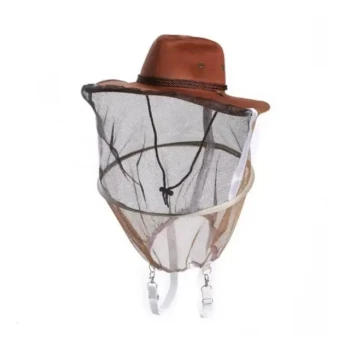
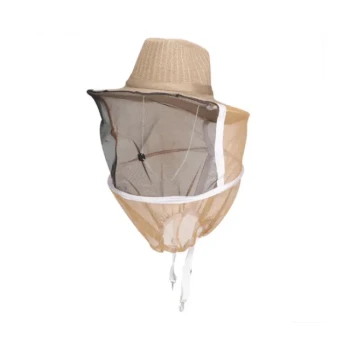
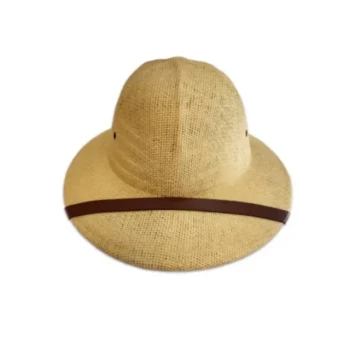
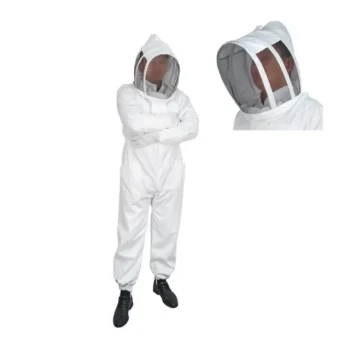
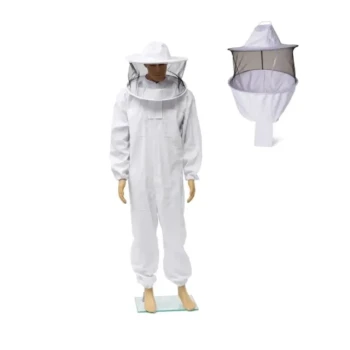
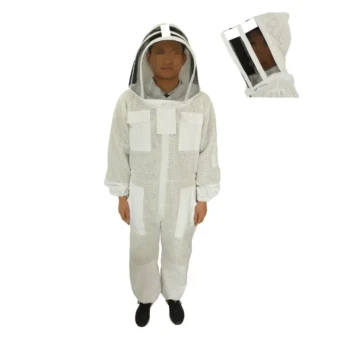
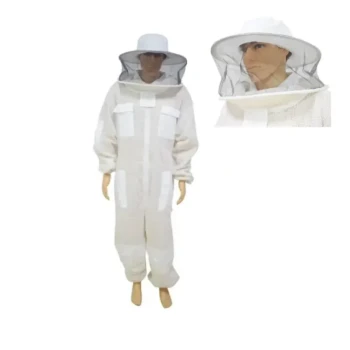
The construction of a beekeeper’s hat veil relies on a hybrid design to balance safety with functionality. The main structural components are crafted from a combination of cotton and hemp, offering a durable yet breathable barrier. For the critical viewing area, a nylon mesh is integrated to allow visibility while preventing bee entry.
The ideal veil design creates a separation between the wearer and the hive without compromising situational awareness. The cotton-hemp blend anchors the gear, while the nylon mesh provides the necessary transparency for detailed inspections.
The Anatomy of Protection
To understand the reliability of a veil, one must analyze how its specific materials function together to protect the head and neck.
The Structural Base: Cotton and Hemp
The body of the veil—the parts that drape over the hat and cover the neck—is made from a mix of cotton and hemp. This choice of natural fibers provides a thick, woven barrier that bees cannot easily sting through.
Additionally, this blend offers breathability. Beekeeping often occurs in hot weather, and natural fibers help manage moisture and heat better than fully synthetic, non-mesh fabrics.
The Visual Field: Nylon Mesh
The viewing panel is constructed specifically from nylon mesh. This material is selected because it can be woven finely enough to stop insects but remains transparent enough for the human eye to focus through it.
This "high-visibility" aspect is critical. A beekeeper must be able to spot eggs, larvae, and the queen without the mesh distorting their view.
Functional Design Elements
Beyond the raw materials, the physical configuration of the hat and veil is essential for actual safety.
The Wide-Brim Requirement
The veil is typically attached to or worn over a wide-brimmed hat. This brim serves a mechanical function: it holds the mesh curtain away from the face.
If the mesh touches the skin, a bee can sting through the holes. The brim creates a "stand-off" distance that renders the nylon mesh effective.
Shoulder Protection
The fabric extends downward, designed to hang to the shoulders. This ensures that the sensitive neck area is completely covered and allows the veil to overlap with a jacket or suit.
Understanding Material Trade-offs
While the cotton-hemp and nylon combination is effective, it is important to recognize the limitations of these materials to ensure long-term safety.
Nylon Durability vs. Heat
Nylon mesh provides excellent visibility, but it has a lower melting point than metal. Beekeepers using smokers must be cautious not to let hot sparks contact the mesh, as this can melt holes in the protective barrier.
Visibility vs. Protection
The mesh size is a compromise. It must be open enough to see through clearly but tight enough to exclude bees. If the nylon mesh tears or frays, the integrity of the entire veil is compromised.
Natural Fiber Maintenance
The cotton and hemp blend is durable, but natural fibers can degrade if stored damp. Proper maintenance involves checking for mold or weakening of the fabric, which could create entry points for bees over time.
Making the Right Choice for Your Goal
When selecting protective gear, verify that the materials align with your specific environment and experience level.
- If your primary focus is durability: Ensure the cotton-hemp blend is thick and heavy-weight to prevent stings from penetrating the fabric folds.
- If your primary focus is visibility: Inspect the nylon mesh for a dark color (which reduces glare) and ensure the weave is free of defects.
- If your primary focus is safety: Verify the brim is wide enough to keep the nylon mesh at least two inches away from your nose and ears.
The best protective gear is the kind that allows you to work calmly and confidently, knowing your equipment is physically sound.
Summary Table:
| Component | Material Used | Primary Function |
|---|---|---|
| Structural Base | Cotton & Hemp Blend | Provides a thick, breathable sting-proof barrier for neck and head. |
| Viewing Panel | Nylon Mesh | Offers high-visibility and ventilation while excluding bees. |
| Support Frame | Wide-Brimmed Hat | Maintains a physical gap between the mesh and the wearer's skin. |
| Neck/Shoulder Drape | Woven Fabric | Ensures full coverage and seamless integration with beekeeping suits. |
Elevate Your Beekeeping Standards with HONESTBEE
At HONESTBEE, we understand that high-quality protective gear is the backbone of any successful commercial apiary. Whether you are a large-scale distributor or a commercial beekeeper, we provide the durable tools and machinery you need to thrive. Our comprehensive wholesale catalog includes:
- Professional Protective Gear: High-visibility veils and heavy-duty suits.
- Advanced Machinery: Specialized hive-making and honey-filling machines.
- Industrial Equipment: A full spectrum of beekeeping tools and essential consumables.
- Cultural Merchandise: Unique honey-themed products to expand your brand's reach.
Ready to scale your operation with premium equipment? Contact us today to explore our wholesale solutions and see how HONESTBEE can deliver unmatched value to your business.
Related Products
- High-Definition Beekeeper Hat with Round Veil Mesh for Beekeeping
- Premium Cowboy Beekeeper Hat with Visibility Veil Outdoor Professional Beekeeping Protective Gear
- Beekeeper Cowboy Hat and Veil for Beekeeping
- Rigid Pith Style Beekeeper Hat for Square Folding Veils
- Square Folding Beekeeping Hat with Integrated Veil
People Also Ask
- What is the primary purpose of a beekeeper's hat veil? Essential Face & Neck Protection for Safe Hive Management
- What are the benefits of the lightweight fabric used in the beekeeping hat veil? Enhanced Visibility & Comfort for Hive Work
- How is the beekeeper hat designed for comfort and practicality? Explore Key Features for Enhanced Apiary Safety
- What design features contribute to the stability and fit of the beekeeper hat? Key Features for Maximum Hive Safety
- What is the correct way to wash a beekeeping hat and veil? Safe Hand-Washing Guide to Protect Your Gear