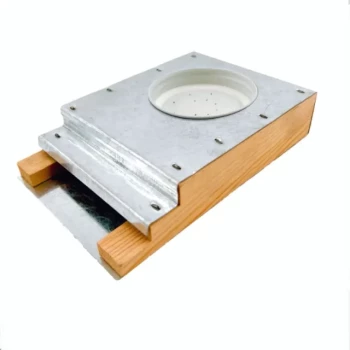
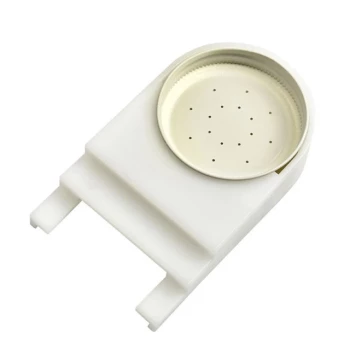
To prevent robbing when using an internal hive top feeder, the single most effective measure is to reduce the size of the hive entrance.
By constricting the opening, you enable the resident colony to defend their stores and the feeder itself against intruders much more effectively.
Core Takeaway While internal feeders offer high capacity, the scent of syrup can trigger robbing frenzies. Your primary defense is narrowing the hive entrance to create a defensible bottleneck, combined with careful handling to prevent external spills.
Fortifying the Hive Defense
Reducing the Entrance Size
When you introduce large quantities of syrup into the hive, the scent can be detected by foragers from other colonies.
Narrowing the entrance is the standard protocol for preventing these intruders from overwhelming the colony.
This constriction forces incoming bees to pass through a small area, allowing a few guard bees to easily defend against a larger number of robbers.
Strategic Placement
Internal hive-top feeders are positioned on top of the brood boxes but underneath the outer cover.
Because the feeder is fully enclosed within the hive stack, it generally offers better protection against robbing than external boardman feeders, provided the hive seals are tight.
Mitigating Attraction Risks
Preventing Syrup Slosh
Internal feeders are known for their large syrup capacity, which creates a significant weight.
If you must move the feeder while it is full, the syrup can easily slosh out.
Spilled syrup on the exterior of the hive or the ground creates a sticky mess that acts as a powerful beacon for robber bees.
Careful Filling
The main advantage of these feeders is the ease of filling without disturbing the brood nest.
However, you must ensure no syrup drips down the side of the hive boxes during this process, as this external scent will attract unwanted attention immediately.
Understanding the Trade-offs
The Drowning Hazard
While these feeders are efficient for delivering volume, they pose a safety risk to the bees themselves.
Despite design features intended to provide footing, bees frequently drown in the large reservoirs of syrup.
Hygiene and Mold Issues
A common pitfall with internal top feeders is the accumulation of debris.
Without the addition of a mold inhibitor, the feeder can become a breeding ground for a "paste" consisting of mold, fermenting syrup, and dead bees.
This requires you to monitor the feeder closely, not just for robbing, but for sanitary conditions that could harm the colony's health.
Making the Right Choice for Your Colony
To successfully use an internal hive top feeder, balance the need for food with the need for security.
- If your primary focus is Colony Defense: Always install an entrance reducer immediately upon placing the feeder to give your guards a tactical advantage.
- If your primary focus is Efficiency: Utilize the large capacity to minimize trips, but avoid moving the feeder until it is empty to prevent attractant spills.
Mastering the use of entrance reducers allows you to leverage the high capacity of top feeders without compromising hive security.
Summary Table:
| Prevention Measure | Action Description | Key Benefit |
|---|---|---|
| Entrance Reduction | Install an entrance reducer to a small opening. | Creates a defensible bottleneck for guard bees. |
| Spill Management | Avoid moving feeders while full; clean drips immediately. | Eliminates external scents that attract robber bees. |
| Proper Sealing | Ensure the outer cover fits tightly over the feeder. | Keeps the syrup scent enclosed within the hive stack. |
| Hygiene Control | Use mold inhibitors and clear out dead bees regularly. | Prevents fermentation and maintains colony health. |
Scaling Your Apiary with Professional Equipment
Managing large-scale feeding requires the right tools to maintain hive security and operational efficiency. HONESTBEE specializes in supporting commercial apiaries and distributors with a comprehensive range of high-quality beekeeping machinery and supplies.
From heavy-duty hive-making machines to automated honey-filling systems and essential consumables, we provide the hardware you need to grow your business. Whether you are stocking your retail shop or upgrading your commercial extraction line, our team is ready to supply you with industry-leading solutions.
Ready to elevate your beekeeping operations? Contact us today to discuss our wholesale offerings and custom equipment solutions!
Related Products
- Professional In-Hive Bee Feeder HONESTBEE Frame for Beekeeping
- HONESTBEE Professional Hive Top Bee Feeder Feeding Solution
- HONESTBEE Round Hive Top Bee Feeder for Syrup
- HONESTBEE Square Top Hive Bee Feeder Top Bee Feeder
- Professional Hive Top Bee Feeder for Beekeeping
People Also Ask
- When should beekeepers stop feeding their bees? Let Your Bees Tell You
- Why is the use of a beekeeping feeder for syrup supplementation important? Boost Colony Growth and Survival
- What are the common types of internal and external feeders used in beekeeping? Choose the Right Feeder for Your Hive
- What is a feeder in the context of beekeeping? Optimize Your Hive Nutrition and Growth
- How do specialized feeders contribute to effective artificial feeding? Scientific Apiary Management & Colony Health