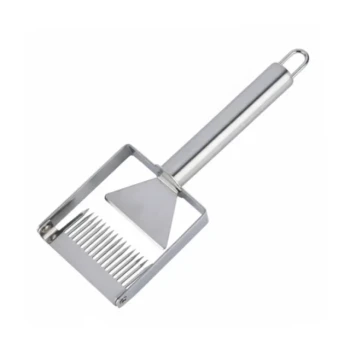
Propolis is both a valuable hive material and an operational obstacle. Its resinous, adhesive consistency seals cracks and reinforces the hive, but it also glues frames, covers, and hive bodies together. Specialized hive tools—especially metal scrapers, frame grips, pry bars, and propolis traps—help beekeepers separate equipment safely, control buildup, and collect propolis with less disruption.
Propolis supports colony hygiene and hive structure, but uncontrolled buildup slows inspections and increases the risk of equipment damage. The right tools convert it from a maintenance problem into a manageable operational task and, where appropriate, a harvestable product.
Why Propolis Complicates Hive Operations
Frames and Hive Bodies Become Stuck
Bees apply propolis to cracks, box joints, frame edges, and oversized gaps. As deposits accumulate, frames and hive components can become tightly bonded, making routine inspections slower and more physically demanding.
Manual pulling is inefficient and can damage wooden components. Excessive force may also disturb the colony or crush bees between tightly joined parts.
Propolis Changes with Temperature
In cold conditions, propolis becomes hard and brittle, making seals difficult to break cleanly. In warm weather, it becomes softer and more gummy, increasing adhesion to tools, gloves, clothing, and hive surfaces.
This temperature-dependent behavior affects inspection technique, cleaning frequency, and the durability requirements for hive hardware.
Buildup Restricts Routine Maintenance
Propolis can accumulate on frame rests, inner covers, outer covers, and contact points between hive boxes. If it is not periodically removed, proper frame spacing and smooth component handling become more difficult.
For commercial apiaries, this creates repeated labor costs across inspections, transport preparation, equipment cleaning, and seasonal maintenance.
Residue Creates Handling and Cleaning Problems
Propolis adheres strongly to wood, metal, and protective garments. It can leave persistent deposits on hive tools and permanent stains on fabric clothing, making material selection and cleanup part of normal apiary operations.
How Specialized Tools Solve the Problem
Hive Scrapers Break and Remove Seals
A durable metal hive scraper provides a rigid edge for breaking propolis seals and removing hardened deposits. Its leverage reduces the need to pull or twist hive components by hand.
Scrapers are also useful for clearing propolis from frame rests and other contact areas so frames can be repositioned and removed more consistently.
Frame Grips Improve Frame Handling
Frame grips help lift and manage tightly bonded frames after the initial seal has been broken. They provide a more controlled hold than handling sticky or crowded frames directly.
This is especially useful during inspections, when the objective is to remove frames without damaging comb, hive wood, or adjacent bees.
Pry Bars Provide Controlled Leverage
A hive pry bar or multifunction hive tool helps separate hive bodies and covers that have been glued together by propolis. The tool transfers force through a defined contact point rather than relying on unpredictable manual strength.
Proper leverage is important for protecting equipment. The tool should be used to release the seal progressively, not to force components apart aggressively.
Propolis Traps Create a Cleaner Harvesting Route
Propolis traps and collection grids encourage bees to deposit resin on removable surfaces placed beneath covers or along suitable hive areas. Beekeepers can then remove the collector and harvest the material with less scraping inside the hive.
This approach helps separate two objectives: maintaining hive access and collecting propolis for commercial resale. It can also produce cleaner raw material than gathering random deposits from equipment surfaces.
Tool Materials Matter
Because propolis is abrasive during scraping and difficult to remove once accumulated, commercial users should prioritize tools made from durable, easy-to-clean materials. Metal scrapers and frame lifters are commonly suited to repeated mechanical use.
A coordinated product range is valuable for distributors and professional apiaries because hive tools, frame-handling equipment, cleaning accessories, and collection systems support the same workflow.
Managing Propolis Without Undermining Its Benefits
Propolis Is Part of Colony Defense
Bees use propolis to seal cracks, reinforce the hive, narrow excessive openings, and help maintain a hygienic interior. It should therefore be treated as a functional colony material, not simply as waste.
The operational goal is selective removal: clear deposits that obstruct inspection or equipment handling while preserving the colony’s useful sealing behavior.
Clean the Right Areas at the Right Time
Beekeepers should focus maintenance on frame rests, box joints, covers, and other points where propolis prevents safe separation. Regular light scraping is generally more manageable than allowing heavy deposits to harden across multiple components.
Cleaning should be integrated into normal inspection and equipment-repair routines rather than treated as a separate emergency task.
Use Appropriate Cleaning Methods
Residual propolis on metal tools can be softened or dissolved with isopropyl or rubbing alcohol. Cleaning procedures should be handled away from bees, flames, and hive components that could be affected by the solvent.
Because propolis stains fabric, operators should also consider tool storage, protective clothing, and dedicated cleaning areas when planning commercial apiary workflows.
Understanding the Trade-offs
Removing Too Much Propolis Can Be Counterproductive
Aggressive removal eliminates the very material bees use to seal and protect the hive. Scraping should be limited to obstructive buildup rather than applied indiscriminately to every propolized surface.
A practical maintenance program balances equipment access with the colony’s natural use of propolis.
Propolis Traps Add a Management Step
Collection grids can simplify harvesting, but they introduce additional handling, cleaning, and product-quality requirements. The collector must be removed and processed without creating unnecessary colony disturbance.
Their value is greatest for operations that have a defined market or downstream use for propolis.
Tool Quality Affects Total Operating Cost
Low-durability tools may bend, wear quickly, or become difficult to clean under frequent use. Replacing them repeatedly can cost more than selecting robust equipment designed for high-frequency scraping and leverage.
For wholesalers and resellers, product reliability, availability, and consistent specifications are therefore as important as the basic tool function.
Propolis Should Not Replace Transport Hardware
Although propolis can help hold hive bodies together, it is not a substitute for straps, fasteners, or other dedicated transport equipment. Migratory and commercial operations should secure hives mechanically rather than rely on brittle or uneven resin bonds.
Making the Right Choice for Your Goal
Select equipment according to the operating challenge, inspection frequency, and whether propolis is a maintenance burden, a commercial product, or both.
- If your primary focus is faster hive inspections: Prioritize durable metal hive scrapers, frame lifters, and pry bars that break seals and separate components with controlled leverage.
- If your primary focus is equipment protection: Choose tools that allow precise scraping and frame handling without excessive twisting, pulling, or impact on wooden hive parts.
- If your primary focus is propolis harvesting: Add removable propolis traps or collection grids and establish a process for clean removal, storage, and downstream handling.
- If your primary focus is commercial supply and fulfillment: Work with a supplier able to provide a coordinated portfolio of hive tools, collection equipment, replacement accessories, and responsive order support.
With the right combination of maintenance tools and collection systems, propolis can remain a colony asset without becoming a bottleneck in professional hive management.
Summary Table:
| Challenge | Description | Specialized Tool | Benefit |
|---|---|---|---|
| Frames stuck due to propolis buildup | Propolis bonds frames and boxes, making inspections difficult | Hive scraper, frame grip | Controlled separation without damage |
| Temperature-dependent adhesion | Propolis hardens in cold, softens in heat, affecting handling | Pry bar, durable metal tools | Clean removal in any weather |
| Maintenance restrictions | Accumulation on rests and covers hinders proper spacing | Scraper | Restores smooth component handling |
| Residue on equipment and clothing | Adhesive residue is hard to clean and stains fabrics | Alcohol, dedicated cleaning area | Efficient cleanup and hygiene |
| Harvesting difficulty | Collecting propolis from surfaces is labor-intensive | Propolis trap, collection grid | Cleaner harvest with less effort |
Tired of battling sticky propolis during inspections? HONESTBEE offers a comprehensive range of durable scrapers, frame grips, and propolis traps designed to streamline your hive management. With our one-stop sourcing, rapid delivery, and expert support, you can reduce downtime and boost efficiency. Contact us today to find the perfect tools for your apiary!
Related Products
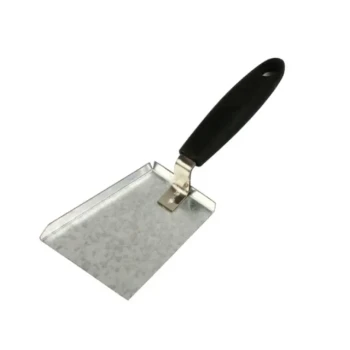
- Heavy-Duty Ergonomic Grip Galvanized Pollen Shovel
- Solar Beeswax Melter Easy Solar Wax Melter for Beeswax
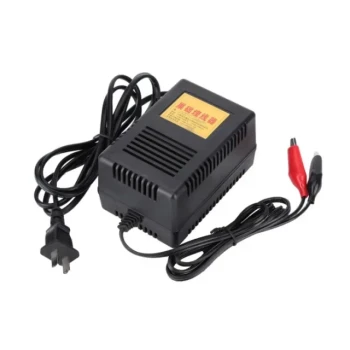
- HONESTBEE AC Powered Wire Embedder with Alligator Clips
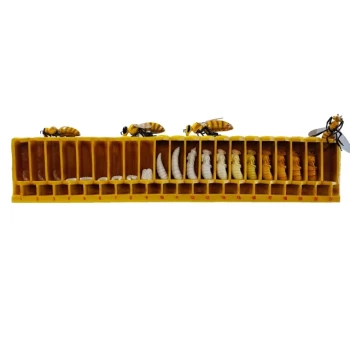
- Honey Bee Lifecycle Model: A Detailed Honeycomb Display of Bee Development
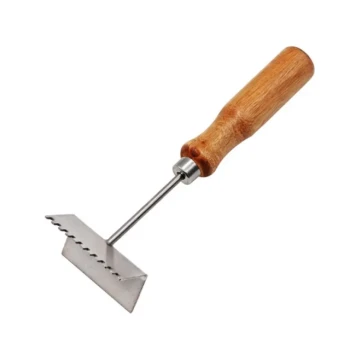
- Professional Dual Action Queen Excluder Scraper for Beekeeping
People Also Ask
- For what reasons do beekeepers collect bee pollen? Boost Hive Health and Unlock New Revenue Streams
- Why should commercial apiaries focus on the collection of diversified bee products? Maximize Your Hive’s Profit Potential
- How do bee pollen collection tools affect the quality of bee pollen used in functional dairy ice cream production?
- How does a specialized pollen collector facilitate the harvesting of diverse bee products? Automate High-Value Yields
- What is the impact of pollen collectors and associated equipment on the cost structure of pollen production? Maximize ROI