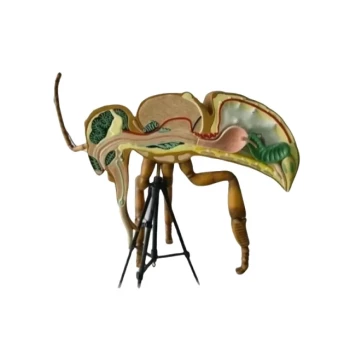
Managing Greater Wax Moths (Galleria mellonella) in Apis cerana colonies requires a multi-layered approach centered on hive sanitation, structural integrity, and colony strength. Effective prevention involves sealing all hive gaps, maintaining a high bee-to-comb ratio, and performing rigorous bottom-board cleanings to remove the organic debris that serves as a primary breeding ground for larvae.
Core Takeaway: To protect high-value apiary assets, operators must focus on physical exclusion and habitat disruption by eliminating waste materials and ensuring colonies remain populous enough to defend their territory.
Structural and Physical Preventative Measures
Sealing Hive Gaps and Entry Points
Greater Wax Moths are opportunistic and will exploit any structural weakness to deposit eggs. Ensuring that beehive gaps are tightly sealed prevents adult moths from entering the hive and bypasses the bees' natural defenses.
Bottom Board Sanitation and Debris Management
The bottom board is the most critical site for egg-laying because it accumulates wax scales, pollen, and waste. Regular cleaning of the hive floor is essential to eliminate the food source for moth larvae, which would otherwise consume beeswax and propolis.
Incineration of Collected Waste
Simply removing debris from the hive is often insufficient, as larvae can survive in the surrounding environment. Incinerating collected waste and wax debris physically disrupts the life cycle of the wax moth and prevents re-infestation from nearby materials.
Biological Defense and Colony Management
Maintaining Strong, Populous Colonies
A strong, populous colony is the best natural defense against Galleria mellonella. When the bee population is dense, the worker bees can actively patrol the combs and remove moth eggs or young larvae before they cause structural damage.
Targeted Removal of Damaged Honeycombs
Damaged or old honeycombs act as a magnet for infestations and should be removed and replaced promptly. This practice prevents the spread of larvae throughout the apiary and protects the integrity of the remaining healthy combs.
Protecting Core Production Assets
Wax moth larvae are highly destructive, consuming beeswax, pollen, and even the cocoons of bee larvae. Implementing these measures protects the honeycomb, which is the core production asset for any commercial beekeeping operation.
Understanding the Trade-offs and Risks
Labor Intensity vs. Preventative Gain
Rigorous cleaning and frequent hive inspections require significant labor investment. However, the cost of proactive maintenance is substantially lower than the economic loss resulting from colony absconding or the total destruction of stored wax assets.
Physical Control vs. Chemical Intervention
While chemical treatments exist, they often carry risks of contaminating honey or wax. Prioritizing physical and biological controls maintains the purity of the hive products, which is a critical selling point for premium B2B distributors.
The Risk of Neglecting "Weak" Colonies
Smaller or weaker colonies are often the first to be compromised. Failing to consolidate weak colonies or provide them with extra protection can lead to a localized outbreak that eventually threatens the entire apiary infrastructure.
Scaling Success in Your Supply Chain
As a professional distributor or wholesaler, your goal is to provide your clients with the expertise and tools necessary to maintain high-yield apiaries. Our deep industry knowledge and rapid order fulfillment ensure you have the resources to respond to pest threats immediately.
- If your primary focus is one-stop sourcing: Ensure your inventory includes precision-engineered hives with tight tolerances to minimize natural entry gaps for pests.
- If your primary focus is professional expertise: Advise your clients on the necessity of integrated pest management (IPM) that prioritizes sanitation over reactive chemical use.
- If your primary focus is rapid response: Utilize our ultra-fast delivery services to restock essential hive maintenance tools and replacement combs during peak infestation seasons.
Proactive management and high-quality equipment are the definitive barriers against the destructive potential of the Greater Wax Moth.
Summary Table:
| Prevention Category | Recommended Action | Key Benefit to the Apiary |
|---|---|---|
| Structural Control | Seal hive gaps and entry points | Blocks adult moths from entering to deposit eggs. |
| Sanitation | Regular bottom-board cleaning & waste incineration | Eliminates larval breeding grounds and food sources. |
| Biological Defense | Maintain high bee-to-comb ratios | Empowers worker bees to actively remove moth larvae. |
| Maintenance | Prompt removal of old/damaged honeycombs | Protects core production assets from cross-contamination. |
Secure Your Supply Chain with HONESTBEE Professional Beekeeping Solutions
Protecting commercial apiaries from the Greater Wax Moth requires high-quality equipment and deep industry expertise. HONESTBEE is your premier partner for one-stop sourcing, offering a comprehensive wholesale portfolio ranging from precision-engineered hives and honey-filling machinery to essential industry consumables.
Why Partner with HONESTBEE?
- Comprehensive Inventory: Access a full spectrum of tools and honey-themed cultural merchandise.
- Rapid Fulfillment: Benefit from ultra-fast delivery and efficient order processing to meet seasonal demands.
- Expert Support: Leverage our professional industry knowledge to provide your clients with superior pest management tools.
- B2B Focused: We offer competitive margins, OEM/ODM support, and reliable supply for distributors and wholesalers worldwide.
Ready to elevate your beekeeping wholesale business? Contact us today to explore our full-spectrum catalog!
References
- Wara Asfiya, Laras Ay Hapsari. Eksplorasi potensi budi daya lebah madu Apis cerana Fabricius di Taman Kehati Kiarapayung, Jawa Barat. DOI: 10.5994/jei.22.1.1
This article is also based on technical information from HonestBee Knowledge Base .
Related Products
- Wholesales Dadant Size Wooden Bee Hives for Beekeeping
- High-Performance Langstroth Bee Hives for Global Professional Beekeeping
- Australian Langstroth Beehive Boxes for Beekeeping Wholesales
- Honey Bee Lifecycle Model: A Detailed Honeycomb Display of Bee Development
- HONESTBEE Anatomy Bee Model Detailed Anatomical Display for Education and Study
People Also Ask
- What are the strategic benefits of installing beekeeping hives at an elevation of 1 to 6 meters? Protect Your Assets
- What are the key advantages of modern improved beekeeping hives? Scale Your Honey Yield and Production Efficiency
- What is the proper way to store unused bee hives? Expert Stacking Tips for Equipment Longevity
- What are the 2 types of bee hives? Langstroth vs. Top-Bar for Your Apiary
- How does the design of improved beekeeping hives contribute to maintaining honey quality and purity? Enhancing Purity