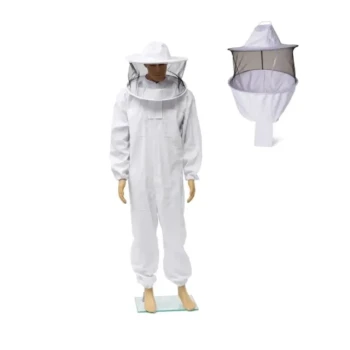
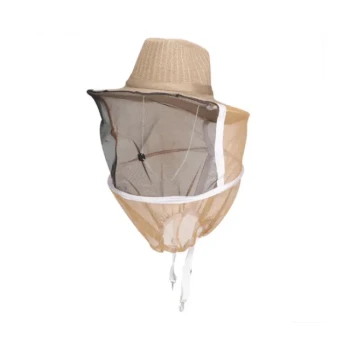
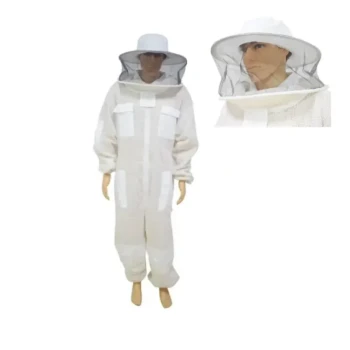
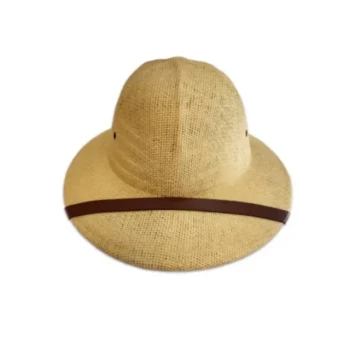
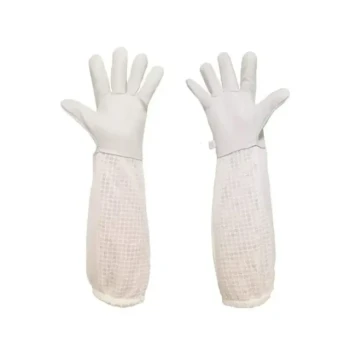
Beekeeping suits and veils serve as critical physical protective equipment designed to provide full-body defense against stings while maintaining essential visibility and airflow. By creating a reliable barrier between the operator and the colony, this gear allows technicians to maintain focus and efficiency during high-stakes operations, effectively preventing errors caused by defensive bee behavior or the distraction of potential stings.
The Core Value While the immediate function of protective gear is injury prevention, its deeper value lies in enabling operational continuity. By removing the psychological and physical threat of stings, suits and veils allow apiary staff to perform precise, scientific management tasks and rigorous health monitoring without interruption, even during peak defensive seasons.
Enhancing Operational Efficiency
Preventing Operational Errors
In a commercial setting, the primary risk of a sting is not just pain, but the disruption of work flow. Protective suits prevent operational errors by shielding technicians from defensive attacks. This allows staff to remain focused on complex tasks, such as grafting or queen finding, rather than reacting to aggressive bees.
Maintaining Continuity During Harvest
During peak nectar seasons or large-scale honey harvesting, speed and consistency are vital. Comprehensive protection ensures that work does not stop due to safety concerns. Technicians can execute repetitive, physically demanding tasks efficiently without the interference that typically accompanies opening large numbers of hives.
Facilitating Precision and Colony Health
Reducing Psychological Burden
Fear constitutes a significant obstacle to effective apiary management. High-standard protective gear acts as a psychological buffer, giving operators the confidence to work calmly. This reduction in anxiety is essential for conducting thorough, unhurried inspections required for accurate disease diagnosis.
Enabling Scientific Regulation
Effective apiary management requires frequent, detailed intervention, such as pest control and colony splitting. Protective barriers allow beekeepers to execute these management tasks accurately. Without the distraction of defensive bees, operators can adhere to strict scientific protocols for colony regulation and health monitoring.
Minimizing Colony Stress
There is a direct link between operator safety and bee mortality. Calm handling facilitates gentle operations. When operators feel safe, they move deliberately and smoothly, which significantly reduces the accidental crushing of bees and lowers the overall stress levels of the colony during intervention.
Understanding the Trade-offs
Balancing Protection with Heat Management
While primary references highlight the importance of airflow, a trade-off exists between fabric density and ventilation. Heavy-duty suits offer maximum sting protection but can lead to heat stress in hot climates. Operators must select gear that balances impenetrable layers with sufficient breathability to prevent fatigue.
Visibility vs. Safety
Veils are essential for protecting the face and neck, but mesh density impacts visual acuity. Thicker mesh offers superior protection against aggressive species but can obscure fine details, such as the presence of eggs or young larvae, potentially complicating delicate breeding tasks.
The False Sense of Security
Protective gear is a physical barrier, not a substitute for reading bee behavior. Over-reliance on a suit can lead to "lazy" beekeeping where operators ignore alarm pheromones or aggressive posturing. This can result in increased agitation of the apiary, even if the operator remains unstung.
Making the Right Choice for Your Apiary
Selecting the appropriate level of protection depends on your specific management goals and the temperament of your stock.
- If your primary focus is Large-Scale Harvesting: Prioritize heavy-duty, multi-layer ventilated suits to ensure maximum stamina and speed when moving heavy supers in defensive yards.
- If your primary focus is Queen Rearing or Inspection: Choose a suit with a high-visibility veil and lighter weight fabric to maximize dexterity and visual precision during delicate tasks.
- If your primary focus is Aggressive/Defensive Species: Invest in high-specification fully sealed gear to establish the absolute operator confidence required to manage these volatile colonies safely.
Ultimately, protective gear should be viewed not merely as safety clothing, but as an essential hardware tool that stabilizes the production model by bridging the gap between human capability and biological reality.
Summary Table:
| Protection Category | Primary Benefit | Operational Impact |
|---|---|---|
| Physical Defense | Full-body sting prevention | Allows uninterrupted workflow during high-stress harvests. |
| Psychological Buffer | Reduces operator anxiety | Facilitates calm, precise handling and accurate disease diagnosis. |
| Colony Health | Minimizes accidental bee mortality | Promotes gentle operation, lowering overall colony stress levels. |
| Precision Gear | Specialized mesh and fabric | Balances visual acuity for queen rearing with thermal management. |
Elevate Your Apiary Operations with HONESTBEE
At HONESTBEE, we understand that high-quality protective gear is more than just safety clothing—it is an essential tool for stabilizing your commercial production. We cater exclusively to commercial apiaries and distributors, offering a comprehensive wholesale range of:
- Professional Protective Gear: High-specification suits and veils designed for durability and visibility.
- Beekeeping Machinery: From hive-making to honey-filling machines to scale your output.
- Specialized Hardware & Consumables: A full spectrum of tools and equipment to support every stage of honey production.
Whether you are managing defensive species or conducting delicate queen rearing, our portfolio ensures your staff stays focused and your colonies stay productive.
Ready to upgrade your equipment? Contact us today to explore our wholesale solutions!
References
- Zaky Nassar. An Economic Study of the Productive Capacities of Bee Honey in Matrouh Governorate. DOI: 10.21608/assjm.2022.310416
This article is also based on technical information from HonestBee Knowledge Base .
Related Products
- Professional Cotton Beekeeper Suit with Round Veil Design for Commercial Apiaries
- Premium Cotton Beekeeper Suit with Reinforced Fencing Veil
- Professional Beekeeper Suit with Square Folding Cotton Veil
- White Cotton Beekeeping Jacket and Veil for Bee Keepers
- Beekeeping Jacket with Hood and Veil for Beekeepers
People Also Ask
- What material and design specifications are recommended for a high-quality beekeeper suit? Top Gear Selection Guide
- How to Pre-treat Propolis Stains on Beekeeping Suits? Master Advanced Fabric Care and Soil Removal
- Why is it important to keep a beekeeping suit clean? Essential Safety & Maintenance Tips
- Is it generally safe to wash a beekeeping suit in a washing machine? Maintain Your Safety Gear Properly
- What are the primary functional requirements for a beekeeping suit to ensure user safety? Professional Sourcing Guide