The role of gas concentration sensors in automated apiaries is to serve as a vital indicator of colony metabolism and environmental safety. By measuring carbon dioxide (CO2) and smoke levels, these sensors allow beekeepers to remotely assess colony health, automate ventilation, and detect external threats like forest fires without physically opening the hive.
Core Takeaway: Gas sensors provide a non-invasive window into the hive’s internal state, enabling B2B partners to offer high-tech, precision beekeeping solutions that maximize colony productivity while minimizing labor costs and bee stress.
Real-Time Monitoring of Colony Vitality
Assessing Metabolic Intensity through CO2
CO2 sensors monitor the accumulation of gas within the hive to provide a direct reflection of the metabolic intensity of the colony. Higher concentrations typically indicate a dense, active population, while unexpected drops can signal a decline in bee numbers or activity.
Tracking Overwintering Status
During winter, maintaining the correct CO2 and temperature balance is critical for colony survival. Sensors provide the data points necessary for beekeepers to monitor overwintering health remotely, ensuring the cluster remains stable throughout the dormant season.
Early Detection of Swarming and Disease
Sudden fluctuations in gas concentrations can serve as early warning signs for swarming risks or disease outbreaks. By identifying these patterns early, commercial apiary managers can implement scientific interventions before the colony's productivity is compromised.
Enhancing Operational Efficiency and Automation
Automated Beehive Ventilation Systems
In a modern automated apiary, CO2 sensors provide the trigger data for smart ventilation systems. When gas levels exceed a specific threshold, the system automatically adjusts airflow, maintaining an optimal environment for the bees without manual oversight.
Non-Invasive Health Assessments
Utilizing sensors allows for "eyes-on" management without the need to dismantle the hive. This non-invasive approach significantly reduces bee stress and eliminates the labor-intensive process of manual inspections, a key selling point for large-scale commercial operations.
Synergy with Load and Humidity Sensors
To provide a truly comprehensive solution, gas sensors are often bundled into a full-spectrum product portfolio. When combined with load sensors (to track honey production) and humidity sensors, they offer a 360-degree view of apiary performance and migration timing.
Environmental Risk Mitigation
Industrial-Grade Smoke Detection
Deploying smoke and hazardous gas sensors around the apiary perimeter provides an essential early warning system for environmental risks. In fire-prone regions, these sensors can detect abnormal air compositions long before flames reach the site.
Rapid Response and Evacuation
Upon detecting smoke or toxic gases, automated systems send immediate alerts via wireless networks. This enables ultra-fast response times, allowing beekeepers to evacuate hives or intervene manually to prevent catastrophic losses to their livestock.
Understanding the Trade-offs and Challenges
Sensor Calibration and Maintenance
Precision gas sensors require periodic calibration to ensure data accuracy over time. In the humid and propolis-heavy environment of a beehive, sensors must be high-quality and well-protected to avoid "sensor drift" or hardware failure.
Data Synthesis Requirements
Raw data from a CO2 sensor is only valuable if it is correctly interpreted. Distributors should focus on providing integrated software solutions that translate these gas readings into actionable insights for the beekeeper.
How to Apply This to Your Product Portfolio
As a distributor or wholesaler, your goal is to provide a reliable, comprehensive toolkit that solves the complex challenges of modern beekeeping. Leveraging professional expertise in sensor selection ensures your clients receive industrial-grade reliability and efficient order fulfillment.
- If your primary focus is high-volume commercial honey production: Prioritize stocking integrated sensor suites that combine CO2 monitoring with load cells to facilitate rapid, data-driven migration decisions.
- If your primary focus is environmental safety and risk management: Focus on industrial-grade smoke and hazardous gas sensors that offer long-range wireless alerts for apiaries in high-risk geographic zones.
- If your primary focus is one-stop sourcing for smart apiaries: Ensure your portfolio includes a wide range of gas, temperature, and humidity sensors to provide a complete environmental monitoring solution.
By integrating precision gas sensing into your offerings, you empower your customers with the data needed to maintain stable, productive, and resilient apiaries.
Summary Table:
| Sensor Type | Primary Function | Business Value for Apiaries |
|---|---|---|
| CO2 Sensor | Monitors colony metabolism & activity | Early warning for swarming, disease, or winter losses |
| Smoke Sensor | Detects fire & hazardous air quality | Rapid response to environmental risks & hive safety |
| Integrated Suite | Drives automated ventilation systems | Reduces manual labor and optimizes honey production |
| Multi-Sensor Bundle | Syncs gas, load, and humidity data | Comprehensive 360-degree remote hive management |
Scale Your Beekeeping Business with HONESTBEE
Elevate your commercial offerings with HONESTBEE, your premium one-stop sourcing partner for the global beekeeping industry. We provide distributors and B2B resellers with a full-spectrum product portfolio, ranging from high-precision smart sensors and honey-filling machinery to essential apiary consumables and cultural merchandise.
By partnering with us, you gain access to:
- Deep Industry Expertise: Professional-grade tools designed for large-scale productivity.
- Ultra-Fast Fulfillment: Rapid response times and efficient global delivery to keep your inventory moving.
- Premium Service: Dedicated support to help you maximize profit margins and supply reliability.
Ready to enhance your product lineup with industrial-grade apiary solutions?
Contact Our Wholesale Team Today
References
- V.V. Ivanyshyn, A.O. Moshensky. ONTOLOGICAL STRUCTURE AND PARAMETERS OF THE APIARY CONTROL SYSTEM MEASUREMENTS. DOI: 10.32782/2663-5941/2024.6.2/08
This article is also based on technical information from HonestBee Knowledge Base .
Related Products
- Heavy-Duty Ergonomic Grip Galvanized Pollen Shovel
- HONESTBEE AC Powered Wire Embedder with Alligator Clips
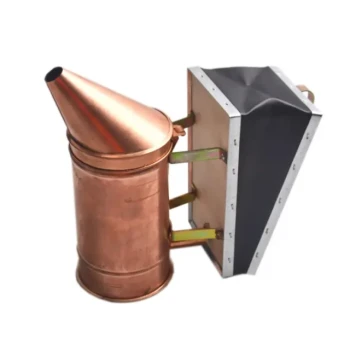
- Premium Traditional Copper Bee Smoker with Bellows
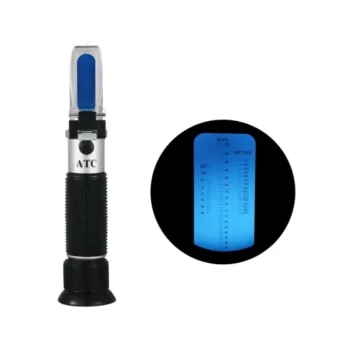
- Precision Honey Refractometer Instrument for Quality Assessment
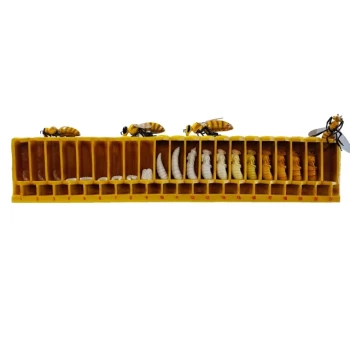
- Honey Bee Lifecycle Model: A Detailed Honeycomb Display of Bee Development
People Also Ask
- For what reasons do beekeepers collect bee pollen? Boost Hive Health and Unlock New Revenue Streams
- Why should commercial apiaries focus on the collection of diversified bee products? Maximize Your Hive’s Profit Potential
- How do bee pollen collection tools affect the quality of bee pollen used in functional dairy ice cream production?
- How does a specialized pollen collector facilitate the harvesting of diverse bee products? Automate High-Value Yields
- What is the impact of pollen collectors and associated equipment on the cost structure of pollen production? Maximize ROI