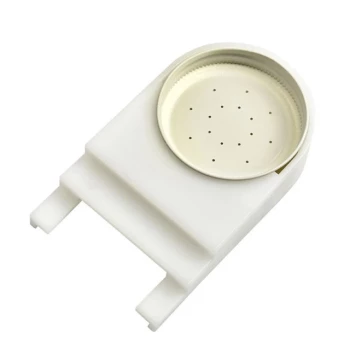
In experimental settings, large-capacity internal feeders serve as precise control instruments. They are utilized to deliver exact quantities of high-concentration sucrose solution directly to the colony. This specific mechanism allows researchers to artificially simulate a period of strong natural nectar flow within a controlled environment.
Researchers use these feeders to manipulate nutritional intake without relying on unpredictable external flora. This enables the study of how an abundance of resources specifically induces or inhibits worker bee behavior regarding the cleaning of necrotic larvae.
The Mechanics of Simulated Abundance
Precision in Nutritional Delivery
In scientific studies, relying on natural foraging introduces too many variables. Large-capacity internal feeders allow researchers to control the volume and concentration of food sources.
Replicating High-Flow Conditions
The primary function of these feeders in this context is simulation, not just sustenance. By providing high-concentration sucrose, scientists replicate the nutritional spike seen during peak blooming seasons.
Systemic Behavioral Observation
This controlled abundance is critical for observing cause-and-effect relationships. Researchers use this setup to determine if a "wealth" of resources changes how worker bees prioritize tasks, specifically hygienic behaviors.
Impact on Behavioral Studies
Linking Nutrition to Social Immunity
The core research objective often revolves on how nutrition affects the removal of diseased or dead brood. The feeders help determine if high energy input encourages or discourages the cleaning of necrotic larvae.
Isolating the Variable
By placing the food source internally, the energy expenditure of foraging is altered. This isolates the nutritional input as the primary variable affecting the colony's behavior.
Distinguishing Experimental vs. General Use
Purpose-Driven Design
It is vital to distinguish between experimental simulation and general colony maintenance. While standard feeder pots are used to prevent starvation or administer medication, experimental feeders are calibrated for data collection.
The Limits of Simulation
High-concentration sucrose is an effective caloric proxy for nectar, but it is not chemically identical. Researchers must acknowledge that while they are simulating the energy density of a nectar flow, they may not be replicating the full micronutrient profile of natural forage.
Defining Your Research Objectives
Selecting the right feeding strategy depends on whether you are conducting behavioral research or maintaining colony health.
- If your primary focus is experimental behavioral analysis: Use large-capacity internal feeders to simulate resource abundance and measure its specific effect on hygienic tasks like cleaning necrotic larvae.
- If your primary focus is general colony vitality: Utilize standard feeder pots for supplementary syrup or medication delivery to prevent decline during non-foraging periods.
Precise simulation of environmental conditions is the key to unlocking reproducible insights into honeybee social immunity and behavior.
Summary Table:
| Feature | Experimental Internal Feeders | General Feeder Pots |
|---|---|---|
| Primary Goal | Simulating resource abundance/nectar flow | Preventing starvation & medication delivery |
| Feed Concentration | High-concentration sucrose solution | Standard sugar syrup or medicinal mix |
| Variable Control | Precise volume & caloric intake control | Basic nutritional maintenance |
| Key Outcome | Studying hygienic behaviors (e.g., larva cleaning) | Sustaining colony health & vitality |
Elevate Your Beekeeping Operation with HONESTBEE
At HONESTBEE, we understand the precision required for both advanced behavioral research and commercial apiary management. Whether you are a distributor seeking a reliable source of high-quality beekeeping tools and machinery or a commercial operator looking for specialized hive-making or honey-filling machines, we offer a comprehensive wholesale portfolio to meet your needs.
From essential industry consumables to honey-themed cultural merchandise, our equipment is designed to enhance efficiency and productivity. Let us help you scale your operations with professional-grade solutions.
Ready to upgrade your equipment? Contact us today to explore our wholesale offerings!
References
- Gianluigi Bigio, Francis L. W. Ratnieks. Hygienic Behavior in Honey Bees (Hymenoptera: Apidae): Effects of Brood, Food, and Time of the Year. DOI: 10.1603/ec13076
This article is also based on technical information from HonestBee Knowledge Base .
Related Products
- Professional In-Hive Bee Feeder HONESTBEE Frame for Beekeeping
- 3.5L Plastic Beehive Frame Feeder Deep Frame Water Feeder for In Hive Use
- White Plastic 0.5L Beekeeping Entrance Feeder for Bees
- Rapid Bee Feeder White Plastic 2L Round Top Feeder for 8 or 10-Frame Bee Hives
- HONESTBEE Entrance Bee Feeder Efficient Hive Front Liquid Feeding Solution for Beekeeping
People Also Ask
- When should beekeepers stop feeding their bees? Let Your Bees Tell You
- Why is the use of a beekeeping feeder for syrup supplementation important? Boost Colony Growth and Survival
- What are the common types of internal and external feeders used in beekeeping? Choose the Right Feeder for Your Hive
- What is a feeder in the context of beekeeping? Optimize Your Hive Nutrition and Growth
- How do specialized feeders contribute to effective artificial feeding? Scientific Apiary Management & Colony Health