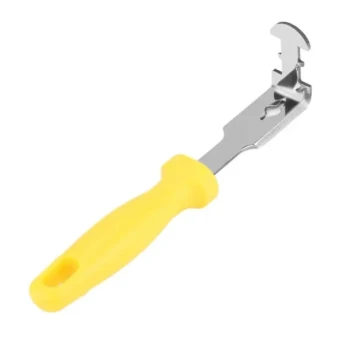
Management tools and measures designed to increase propolis production serve as a critical amplifier for a honeybee colony's biological defense system. By actively encouraging the collection of propolis, beekeepers leverage its potent antifungal properties to directly inhibit the growth of Ascosphaera apis, the pathogen responsible for Ascosphaerosis. This approach integrates natural chemical barriers into colony management, reducing the need for synthetic interventions.
Propolis functions as a robust, natural chemical shield against fungal pathogens. Prioritizing its production through specialized tools and environmental management creates a sustainable control strategy that enhances colony health without compromising ecological safety.
The Biological Mechanism of Control
The Role of Natural Antifungals
Propolis is not merely a structural material; it is a complex mixture containing potent antifungal and antibacterial agents.
When beekeepers stimulate its production, they are effectively increasing the concentration of these bioactive compounds within the hive. This creates an environment that actively suppresses the development of Ascosphaera apis.
Enhancing Colony Immunity
The presence of increased propolis levels acts as a form of social immunity for the superorganism.
Rather than treating individual bees after infection, high propolis levels prevent the pathogen from establishing a foothold. This serves as a preventative shield, maintaining the colony's overall health and reducing the likelihood of a full-blown Ascosphaerosis outbreak.
Implementation Strategies
Specialized Collection Equipment
To maximize this natural defense, beekeepers can employ specialized propolis-collecting equipment.
These tools are designed to trigger the bees' instinct to seal gaps, resulting in higher quantities of propolis being gathered and deposited. This ensures that the antifungal barrier within the hive remains robust and continuous.
Improving Forage Vegetation
The efficacy of this control method relies heavily on the quality of the foraging environment.
Beekeepers must actively manage the surrounding landscape to ensure a diversity of vegetation rich in resinous sources. By improving the flora, you ensure the colony has access to the raw materials necessary to manufacture high-quality propolis.
Ecological and Operational Implications
Sustainability and Safety
A primary advantage of this approach is the assurance of ecological safety.
Unlike synthetic treatments, utilizing propolis poses no risk of chemical residue accumulation in hive products. It aligns beekeeping operations with sustainable practices, preserving the natural balance of the hive ecosystem.
Reducing Synthetic Reliance
Implementing these management measures allows for a significant reduction in synthetic chemical use.
By maximizing the bee's own biological weaponry, beekeepers can move away from pharmaceutical interventions. This lowers the risk of pathogen resistance and reduces the chemical load on the environment.
Understanding the Trade-offs
Dependence on Environmental Variables
While effective, this method is inherently tied to natural resource availability.
Unlike synthetic treatments which offer precise dosages, the protective value of propolis depends on the resin sources available in the local vegetation. If the surrounding flora is poor, the colony's ability to generate this chemical defense will be compromised regardless of the tools used.
Making the Right Choice for Your Goal
To effectively integrate propolis stimulation into your disease management plan, consider your primary objectives:
- If your primary focus is Organic Certification: Prioritize landscape management and specialized collection grids to demonstrate a chemical-free method of controlling Ascosphaera apis.
- If your primary focus is Long-term Colony Resilience: Implement specialized equipment permanently to maintain a high baseline of propolis, ensuring a constant preventative barrier against fungal spores.
By harnessing the natural pharmacological properties of propolis, you transform a simple hive byproduct into a sophisticated disease management tool.
Summary Table:
| Strategic Element | Role in Ascosphaerosis Control | Key Benefit |
|---|---|---|
| Natural Antifungals | Inhibits Ascosphaera apis growth | Prevents fungal pathogen establishment |
| Social Immunity | Creates a colony-wide chemical barrier | Reduces need for synthetic treatments |
| Collection Tools | Stimulates higher propolis deposition | Ensures a robust, continuous hive shield |
| Forage Management | Increases resinous raw materials | Optimizes the quality of propolis gathered |
| Ecological Safety | Eliminates chemical residue risk | Supports organic and sustainable beekeeping |
Elevate Your Apiary's Health with HONESTBEE Solutions
At HONESTBEE, we specialize in supporting commercial apiaries and distributors with high-performance beekeeping tools and machinery. From specialized propolis-collecting equipment to advanced hive-making and honey-filling machines, our comprehensive wholesale offering is designed to enhance your colony's natural defenses and operational efficiency.
Ready to scale your production and improve hive resilience? Contact our team today to explore our full spectrum of industry consumables and hardware!
References
- Кайсар Кушалиев, Elvira Mendybayeva. CURRENT EPIZOOTIC SITUATION OF ASCOSPHAEROSIS IN BEEKEEPING: EVIDENCE FROM WEST KAZAKHSTAN. DOI: 10.52578/2305-9397-2025-3-1-47-55
This article is also based on technical information from HonestBee Knowledge Base .
Related Products
- 8 Frame and 10 Frame Propolis Trap Collector Screen for Propolis Collection
- Heavy Duty Stainless Steel Frame Cleaner with Plastic Handle
- Ergonomic Plastic Frame Spacer Tool for Rapid Hive Management Beekeeping
- All-Stainless Steel Pivoting Honey Uncapping Fork for Beekeeping
- Professional Honey Uncapping Roller for Efficient Harvesting
People Also Ask
- Why is a specific wooden frame required when installing a propolis screen? Optimize Your Propolis Harvest Efficiency
- What are the advantages of using propolis collector screens? Elevate Your Harvest to Pharmaceutical Purity
- How do propolis collection screens work? Discover material specs for commercial harvesting equipment
- How does the mesh size of a propolis collection screen influence the efficiency of propolis harvesting? Optimize Yields!
- How do commercial-grade plastic screens compare to custom fine-mesh screens? Maximize Your Propolis Yield & ROI