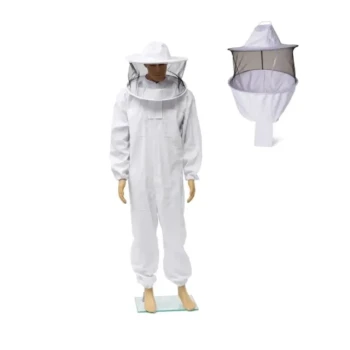
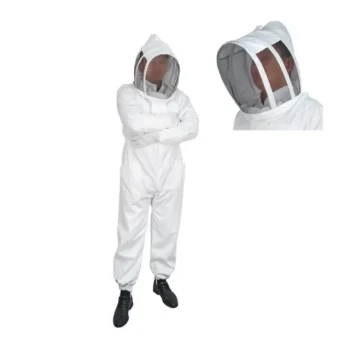
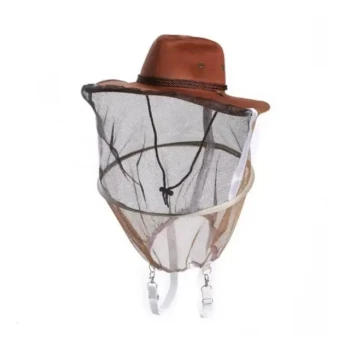
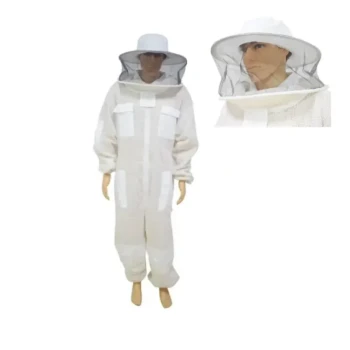
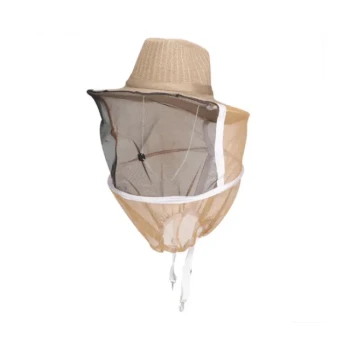
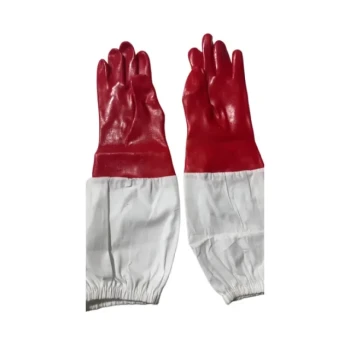
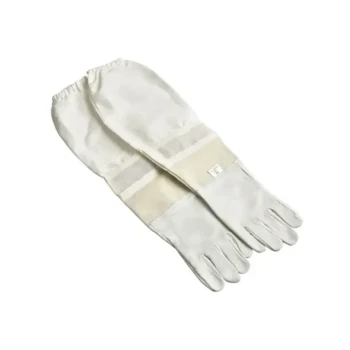
Professional protective suits and veils act as the fundamental enabler of inspection accuracy during overwintering. They provide a robust physical barrier against bee stings, ensuring operator safety while permitting the close proximity required to assess colony vitality without the distraction of defensive attacks.
By neutralizing the risk of injury, protective gear transforms a hazardous environment into a controlled workspace, allowing technicians to focus entirely on gathering precise, preliminary data rather than personal defense.
The Mechanics of Safety and Observation
Establishing a Physical Barrier
The primary role of the protective suit and veil is to serve as an impenetrable physical barrier.
This separation is critical during the overwintering period, as it completely shields the operator's body and face from potential stings.
Mitigating Defensive Behavior
Operators must anticipate defensive attacks from the colony during health inspections.
Protective gear effectively neutralizes these aggressive responses, ensuring the technician remains unharmed regardless of the colony's temperament.
Enabling Accurate Data Collection
Facilitating Close-Up Work
The assurance of personal safety allows technicians to perform detailed, close-up observations.
Without this protection, the proximity required to accurately inspect hive conditions would be impossible to maintain safely.
Assessing Colony Vitality
Protective equipment enables the operator to take the time necessary to properly evaluate colony vitality.
This involves observing the active cluster and behavior of the bees to determine their health status during the winter months.
Analyzing Dead Bee Distribution
Accurate data collection requires analyzing specific indicators, such as the distribution of dead bees.
The veil allows for clear visual inspection of these details, which are essential for forming a complete picture of the hive's condition.
Operational Considerations
The Link Between Safety and Data Quality
It is important to recognize that safety equipment is not merely for comfort; it is a prerequisite for data integrity.
A lack of proper protection can lead to rushed inspections or an inability to perform sampling, directly compromising the accuracy of preliminary assessment data.
Ensuring Successful Winter Inspections
To maximize the effectiveness of your overwintering health assessments, view your protective gear as a tool for data precision.
- If your primary focus is Operator Safety: Ensure the suit provides a complete physical barrier to prevent injury from defensive attacks during sampling.
- If your primary focus is Data Accuracy: Leverage the protection to perform slow, close-up observations of colony vitality and dead bee distribution without distraction.
Protective gear is the foundational asset that converts a high-risk inspection into a reliable scientific assessment.
Summary Table:
| Feature | Role in Overwintering Inspections | Impact on Assessment |
|---|---|---|
| Physical Barrier | Shields operator from defensive stings | Transforms hazardous hives into controlled workspaces |
| Full-Face Veil | Enables close-up visual observation | Allows detailed analysis of bee distribution and cluster health |
| Safety Assurance | Reduces operator stress and distraction | Enhances data integrity by allowing for slow, methodical work |
| Material Durability | Prevents penetration during aggressive attacks | Ensures consistent performance in cold, challenging environments |
Scale Your Apiary Operations with HONESTBEE
At HONESTBEE, we understand that for commercial apiaries and distributors, professional-grade protection is the foundation of effective colony management. Our comprehensive wholesale offering provides everything from high-durability protective suits and veils to advanced honey-filling machines and hive-making equipment.
Whether you are stocking essential consumables or upgrading your industrial beekeeping machinery, we deliver the quality and reliability required to safeguard your team and your yields. Contact us today to explore our full spectrum of beekeeping solutions and see how we can support your business growth.
References
- Veronica Bugneac, Nicolae Starciuc. The microbial status of bee families Apis melifera during the winter period. DOI: 10.38045/ohrm.2024.1.01
This article is also based on technical information from HonestBee Knowledge Base .
Related Products
- Professional Cotton Beekeeper Suit with Round Veil Design for Commercial Apiaries
- Professional Beekeeping Suit for Kids and Girls Childrens Bee Keeper Suit
- Professional Beekeeper Suit with Square Folding Cotton Veil
- Premium Cotton Beekeeper Suit with Reinforced Fencing Veil
- Premium Cowboy Beekeeper Hat with Visibility Veil Outdoor Professional Beekeeping Protective Gear
People Also Ask
- What material and design specifications are recommended for a high-quality beekeeper suit? Top Gear Selection Guide
- How to Pre-treat Propolis Stains on Beekeeping Suits? Master Advanced Fabric Care and Soil Removal
- Why is it important to keep a beekeeping suit clean? Essential Safety & Maintenance Tips
- Is it generally safe to wash a beekeeping suit in a washing machine? Maintain Your Safety Gear Properly
- What are the primary functional requirements for a beekeeping suit to ensure user safety? Professional Sourcing Guide