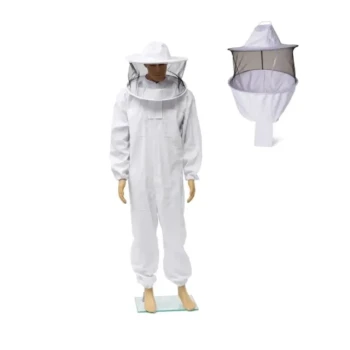
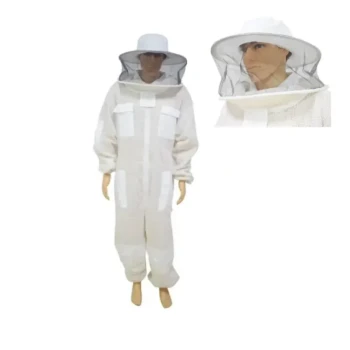
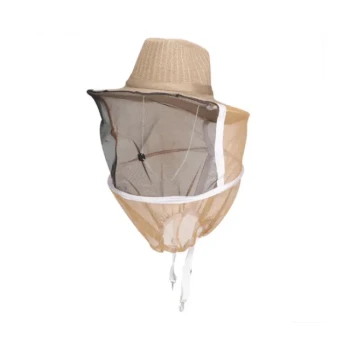
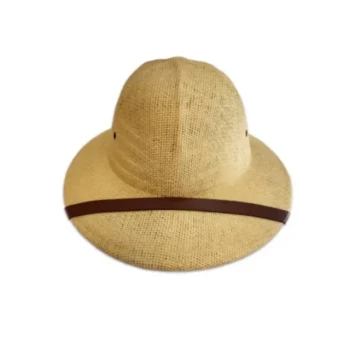
Professional beekeeping suits function as the primary defense mechanism in apitourism. By utilizing a sealed fabric structure and an integrated veil design, these suits create an effective physical barrier between visitors and bee colonies. This equipment is essential for preventing bee stings, thereby ensuring the safety of individuals during the close-range observation of hive operations and honeybee behaviors.
Beyond simple injury prevention, professional protective gear acts as a critical enabler of the apitourism business model. By neutralizing the physical risk and psychological fear associated with bees, this equipment transforms a hazardous environment into an accessible educational space.
The Mechanics of Physical Isolation
The Sealed Barrier Concept
The fundamental role of the suit is to establish total physical isolation. Through a sealed fabric structure, the gear prevents bees from accessing the wearer's skin. This is the primary requirement for allowing non-professionals to enter an apiary safely.
Integrated Veil Protection
The most critical component of this isolation is the integrated veil design. It shields the face and neck—the areas most vulnerable to serious injury—while maintaining visibility. This specific feature allows visitors to observe volatile colony behavior without the immediate threat of facial stings.
Limiting Direct Contact
Combined with specialized gloves and footwear, the suit creates a comprehensive shield. This full-body coverage ensures that even during interactive activities, such as simulated honey harvesting or hive maintenance, the visitor remains chemically and physically separated from the colony's defensive mechanisms.
Operational and Strategic Value
Enabling Deep Participation
Without professional-grade protection, apitourism would be limited to distant observation. The security provided by these suits transforms intangible ecological services into tangible educational products. It allows visitors to engage in "deep participation," moving from passive onlookers to active participants in the production process.
Mitigating Psychological Barriers
Fear is the primary obstacle in apitourism. High-quality equipment alleviates visitor anxiety by eliminating safety concerns before the tour begins. When visitors trust their gear, they can focus entirely on the educational content rather than the fear of being stung.
Ensuring Compliance and Continuity
The use of industrial-grade protective clothing is a prerequisite for the smooth execution of guided tours. It ensures the operation meets high safety and compliance standards, which is necessary for the activity to be sustainable as a regenerative tourism product.
Understanding the Trade-offs
Protection vs. Comfort
While thickened protective fabrics offer maximum security against stings, they can trap body heat. In warm weather, this can lead to visitor discomfort or heat exhaustion if not managed with breathable materials or shorter tour durations.
Dexterity and Sensory Feedback
The physical isolation required for safety inherently creates a sensory barrier. Thick gloves and veils reduce tactile feedback and visual clarity. This makes delicate tasks difficult for novices and can slightly detach the visitor from the raw reality of the hive environment.
False Sense of Security
High-specification gear provides a robust barrier, but it is not a substitute for proper behavior. There is a risk that visitors may feel invulnerable and act unpredictably around the hive. The suit must be viewed as a safety net, not a license to agitate the colony.
Making the Right Choice for Your Goal
To maximize the value of apitourism, you must select equipment that balances safety with the visitor experience.
- If your primary focus is Risk Mitigation: Prioritize suits with fully sealed structures and thickened fabrics to ensure an impenetrable barrier for nervous or inexperienced guests.
- If your primary focus is Visitor Engagement: Select gear that features breathable fabrics and high-visibility veils to maximize comfort and observation capability during longer sessions.
The right protective equipment does not just protect the body; it unlocks the confidence required to truly connect with the natural world.
Summary Table:
| Feature | Function in Apitourism | Primary Benefit |
|---|---|---|
| Sealed Fabric | Creates a total physical barrier | Prevents stings for inexperienced visitors |
| Integrated Veil | Protects face and neck areas | Allows close-range observation with high visibility |
| Full-Body Coverage | Isolates wearer from bee colony | Enables deep participation in hive activities |
| Quality Material | Alleviates psychological fear | Shifts visitor focus from danger to education |
| Industrial Grade | Ensures operational compliance | Supports a sustainable and safe business model |
Elevate Your Apitourism Business with HONESTBEE
At HONESTBEE, we empower commercial apiaries and distributors with a comprehensive wholesale portfolio designed for safety and growth. Whether you need professional-grade protective suits to secure your guests or specialized hardware like hive-making and honey-filling machines, we have you covered.
From essential industry consumables to unique honey-themed cultural merchandise, our tools help you transform a simple apiary into a world-class tourism destination.
Ready to scale your operations? Contact us today to explore our full spectrum of beekeeping equipment and wholesale opportunities!
References
- Subhajit Pal, Swarnali Bhattacharya. APITOURISM IN AGRITOURISM: A FUSION OF GREENERY, APICULTURE & TOURISM IN THE VALLEY OF JAMPUI HILLS OF NORTH EAST INDIA. DOI: 10.51470/plantarchives.2023.v23.no1.008
This article is also based on technical information from HonestBee Knowledge Base .
Related Products
- Professional Cotton Beekeeper Suit with Round Veil Design for Commercial Apiaries
- Professional Beekeeper Suit with Square Folding Cotton Veil
- Professional Beekeeping Suit for Kids and Girls Childrens Bee Keeper Suit
- Premium Cotton Beekeeper Suit with Reinforced Fencing Veil
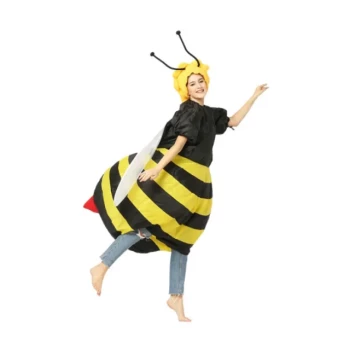
- Bee Inflatable Costume Professional Engaging Promotional Attire for Events & Marketing
People Also Ask
- What material and design specifications are recommended for a high-quality beekeeper suit? Top Gear Selection Guide
- How to Pre-treat Propolis Stains on Beekeeping Suits? Master Advanced Fabric Care and Soil Removal
- Why is it important to keep a beekeeping suit clean? Essential Safety & Maintenance Tips
- Is it generally safe to wash a beekeeping suit in a washing machine? Maintain Your Safety Gear Properly
- What are the primary functional requirements for a beekeeping suit to ensure user safety? Professional Sourcing Guide