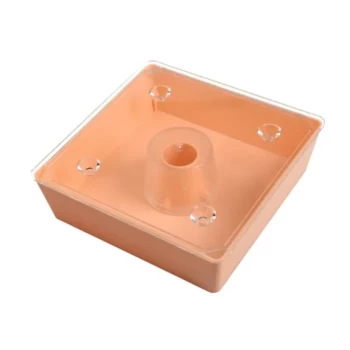
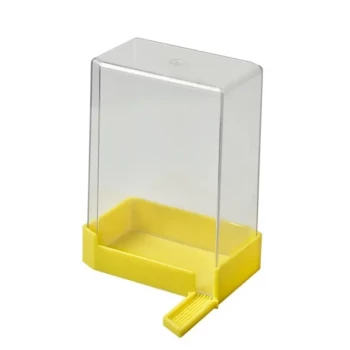
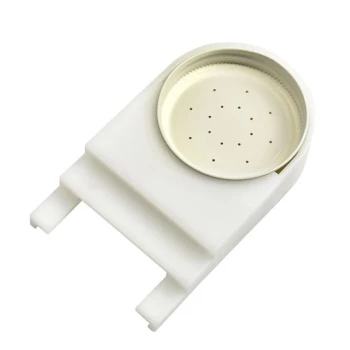
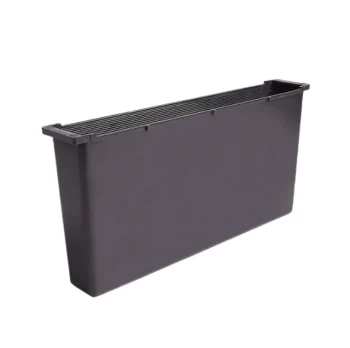
Protein-based bee feeders play a supportive, preventive role—not a curative one—in protecting commercial colonies from pesticide-related immune suppression and viral outbreaks. Agricultural insecticides can weaken immune defenses, including pathways associated with Nf-κB gene expression, allowing latent viruses such as Deformed Wing Virus (DWV) to replicate to damaging levels. Protein-rich feed supplies nutrients that sugar syrup alone cannot provide, while in-hive feeders help keep colonies away from contaminated forage during pesticide exposure periods.
The core value is a two-part defense: protein nutrition helps maintain immune and brood-supporting functions, while dedicated feeders enable controlled, hygienic feeding and reduce bees’ contact with contaminated nectar and pollen. This lowers colony vulnerability but does not replace pesticide-risk management, disease monitoring, or veterinary intervention.
How Pesticide Exposure Can Trigger Viral Problems
Immune suppression creates an opening for dormant viruses
Honey bees may carry viruses without showing obvious symptoms. When pesticide exposure weakens immune defenses, latent DWV infections can replicate more aggressively, potentially leading to symptomatic disease and reduced colony performance.
The concern is therefore not limited to direct pesticide toxicity. Chemical exposure can also increase the colony’s susceptibility to secondary biological threats.
Colony-level effects extend beyond individual bees
Immune stress can affect brood vitality, worker longevity, population growth, and overwintering strength. For commercial operations, these effects may reduce pollination reliability and increase the cost of replacing or rebuilding colonies.
A colony facing both chemical stress and viral replication has fewer nutritional and physiological reserves available for recovery.
Why Protein Feed Matters More Than Sugar Syrup Alone
Protein supplies nutrients that syrup does not
Sugar syrup primarily provides carbohydrates for energy. It does not supply the complete nutritional support associated with pollen or a properly formulated protein supplement.
Protein-based feed helps support the physiological functions required for brood production, worker development, and immune resilience, particularly when natural pollen is scarce or contaminated.
Better nutrition supports resilience under stress
A well-nourished colony is generally better positioned to withstand environmental pressure than a colony receiving carbohydrates alone. Protein feeding is therefore best understood as a resilience measure that helps reduce the severity of stress, rather than as a treatment for pesticide poisoning or viral disease.
The benefit depends on feed quality, colony condition, timing, and access to uncontaminated water and other essential resources.
Late-winter and forage-gap feeding can be strategically important
Protein-fortified feed can be useful during late winter, early spring, drought, relocation, or other periods when natural floral resources are limited. Supporting nutritional status during these windows may help maintain brood vitality and promote colony development.
Some commercial formulations may also serve as carriers for additional ingredients. Any botanical or bioactive additive should be evaluated for evidence, regulatory compliance, bee safety, and compatibility with the target market before being promoted.
How Dedicated Feeders Reduce Exposure Risk
Feeders allow controlled delivery inside the hive
High-quality in-hive feeders deliver supplemental nutrition without requiring bees to forage in potentially contaminated areas. This is especially valuable when pesticide applications are occurring or residues are expected to remain on nearby crops.
Controlled delivery also makes it easier to maintain consistent access to feed across multiple colonies.
Feeding can support temporary colony confinement
When local nectar or pollen is unsafe, beekeepers may use feeders while colonies remain confined within the hive or are relocated. This reduces the likelihood that workers will collect contaminated resources during the highest-risk period.
Feeding does not remove pesticide residues already present in the colony, nor does it guarantee complete exclusion if bees can escape or if contaminated materials have already entered the hive.
Hygienic equipment protects the value of the feed
Feeders should support clean, precise delivery and minimize leakage, robbing, drowning, fermentation, and microbial contamination. In commercial operations, equipment consistency matters because a nutritionally sound formulation can still create problems if it is delivered poorly.
A standardized feeder-and-consumables system also simplifies deployment across apiaries and improves operational repeatability.
The Commercial Value of a Feeding Program
It supports continuity of pollination services
Maintaining colony strength during pesticide-risk periods helps commercial beekeepers protect the assets that underpin pollination contracts. The objective is not simply to keep bees alive, but to preserve sufficient population, brood development, and colony functionality.
This makes protein feed and professional feeding equipment relevant to both beekeepers and agricultural supply-chain partners.
It helps manage forage uncertainty
Natural pollen and nectar availability can change rapidly because of weather, crop schedules, drought, relocation, or pesticide restrictions. Supplemental feed provides a controllable nutritional input when the surrounding environment cannot be relied upon.
For distributors and resellers, this creates demand across multiple use cases rather than only during a single seasonal shortage.
A complete product portfolio improves response speed
Commercial customers may need protein feed, dispensers, replacement parts, and other feeding consumables at the same time. One-stop sourcing reduces procurement complexity and helps operators respond quickly when pesticide applications or forage failures create an urgent need.
Reliable fulfillment, technical guidance, and responsive customer service are particularly important during short operational windows.
Understanding the Trade-offs
Protein feed is not an antidote to pesticides
Protein supplementation cannot neutralize insecticides, reverse all physiological damage, or guarantee that a colony will avoid viral disease. It should complement, not replace, communication with growers, pesticide-application coordination, relocation, exposure avoidance, and colony-health monitoring.
Claims that a feed “prevents” DWV or “cures” pesticide injury are too strong unless supported by product-specific evidence and permitted regulatory language.
Confinement can create its own management challenges
Keeping bees inside can reduce exposure, but extended confinement may increase stress and requires careful attention to ventilation, temperature, water access, feed availability, and colony behavior. The duration and method must be managed by experienced beekeepers.
Where relocation is practical and safe, it may be preferable to prolonged confinement.
Poor feeding practices can undermine the program
Feeders that leak, ferment, encourage robbing, or become contaminated can increase colony stress and spread pathogens. Overreliance on supplemental feed can also distract from the need to preserve access to diverse, uncontaminated nutrition.
Products should therefore be assessed as a system: formulation, feeder design, sanitation, logistics, and operating instructions all matter.
Viral management requires more than nutrition
Nutrition can improve resilience, but it does not replace monitoring for DWV, assessing mite pressure, or maintaining appropriate colony-health practices. Because Varroa mites are important vectors of DWV, integrated mite management remains central to reducing outbreak risk.
The strongest program combines nutritional support with exposure avoidance and routine disease surveillance.
How to Apply This to a Commercial Apiary
A practical program should match the feed and equipment to the exposure scenario, colony condition, season, and required response time.
- If your primary focus is pesticide-risk reduction: Use hygienic in-hive feeders and supplemental protein while coordinating pesticide timing, restricting exposure, or relocating colonies where appropriate.
- If your primary focus is immune and brood resilience: Select a nutritionally credible protein formulation rather than relying exclusively on sugar syrup, and use it during documented forage gaps or high-demand periods.
- If your primary focus is viral-outbreak prevention: Treat feeding as supportive care alongside Varroa control, DWV monitoring, exposure management, and broader colony-health protocols.
- If your primary focus is wholesale or distribution efficiency: Offer a coordinated portfolio of protein feeds, dispensers, and replacement consumables backed by rapid fulfillment, technical expertise, and dependable customer service.
- If your primary focus is operational consistency across apiaries: Standardize feeder types, feeding procedures, sanitation practices, and replenishment schedules so teams can deploy the program reliably at scale.
Protein feeding and dedicated feeders give commercial beekeepers practical tools to reduce nutritional vulnerability and limit exposure, helping colonies remain more resilient when pesticides and viruses threaten performance.
Summary Table:
| Factor | Impact | Recommended Action |
|---|---|---|
| Protein Nutrition | Supports immune function and brood development | Use high-quality protein feed during forage gaps |
| In-hive Feeders | Reduces exposure to contaminated forage | Deploy hygienic feeders during pesticide risk periods |
| Feeding Timing | Critical during late winter, drought, relocation | Implement strategic feeding schedule |
| Integrated Pest Management | Essential for controlling DWV vectors like Varroa | Monitor mite levels and treat as needed |
| Exposure Management | Prevents intake of contaminated nectar/pollen | Coordinate with growers and consider relocation |
For commercial apiaries and distributors seeking reliable protein feeding solutions, HONESTBEE offers a comprehensive range of feeders, consumables, and expert support. Our one-stop sourcing ensures you get quality products quickly, backed by dedicated service and technical expertise. Enhance your colony resilience today—contact us to discuss your needs!
Related Products
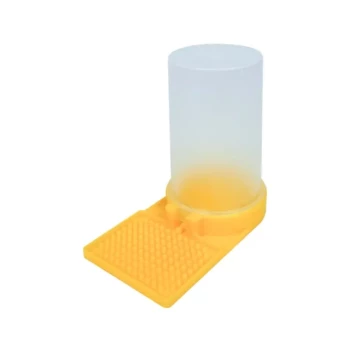
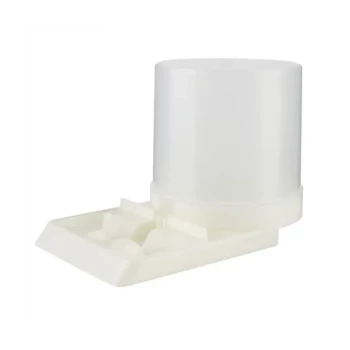
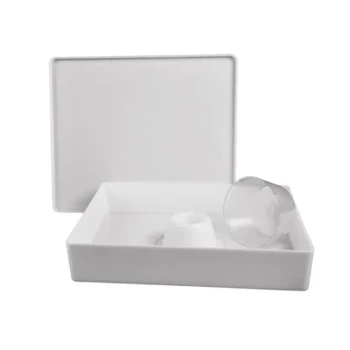
- HONESTBEE Professional Entrance Bee Feeder Hive Nutrition Solution
- HONESTBEE Entrance Bee Feeder Professional Hive Nutrition Solution for Beekeeping
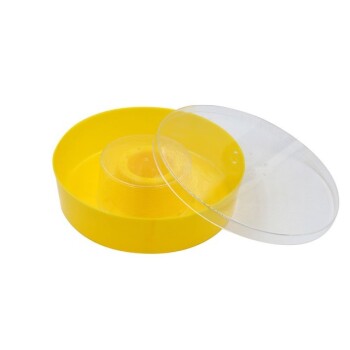
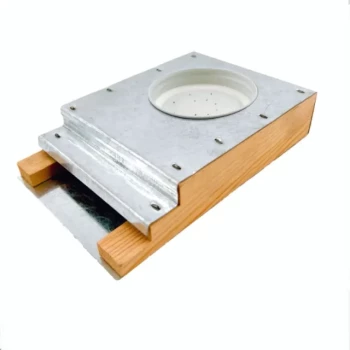
- HONESTBEE Round Hive Top Bee Feeder for Syrup
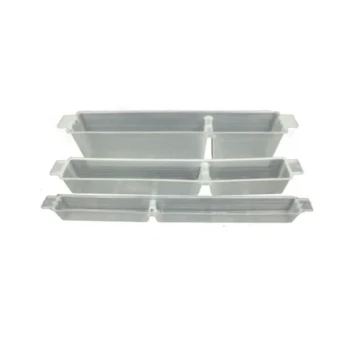
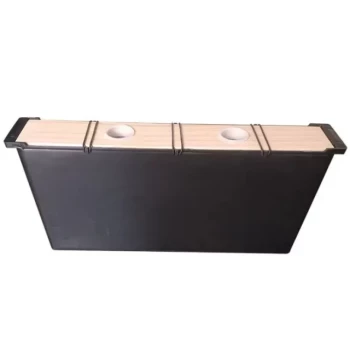
- In-Hive Dual Compartment Frame Bee Feeder for Targeted Colony Nutrition
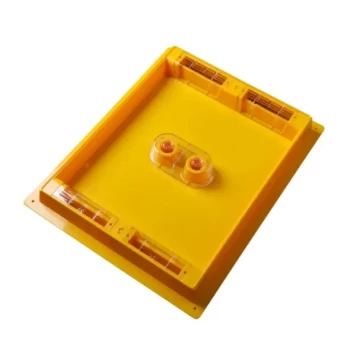
- HONESTBEE Professional Hive Top Bee Feeder Feeding Solution
People Also Ask
- What types of bee feeders are available for beginners? Start with the Simple Entrance Feeder
- What are the advantages and disadvantages of using an entrance feeder for bees? Balance Convenience and Hive Security.
- How does a bee entrance feeder work? A Simple Guide to Convenient Hive Feeding
- What is a bee entrance feeder and what are its drawbacks? Essential Guide to Hive Security and Feeding Efficiency
- How to make an entrance feeder for bees? A DIY Guide for Safe & Effective Feeding