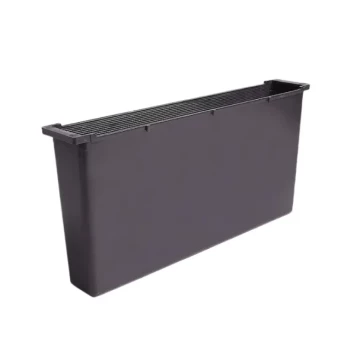
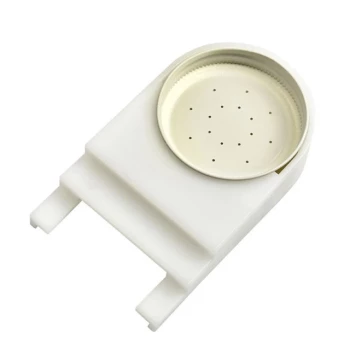
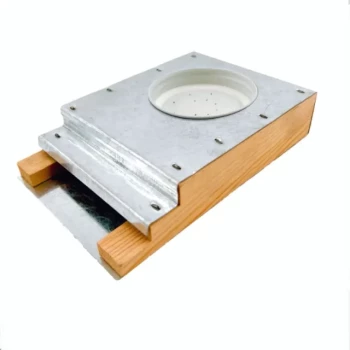
A beehive feeder acts as a critical delivery system for nutritional therapy during European Foulbrood (EFB) outbreaks. Its primary function is to supply a 1:1 sugar syrup supplement that stimulates the colony’s natural cleaning instincts and reduces larval mortality caused by nutritional stress.
Core Takeaway: By mimicking a nectar flow, the feeder triggers a "hygienic response" where bees aggressively remove infected larvae. However, feeding is rarely a standalone cure; it is most effective when combined with re-queening to break the disease cycle.
The Physiological Impact of Supplemental Feeding
Triggering the Hygienic Instinct
The introduction of 1:1 sugar syrup via a feeder does more than just feed the bees; it alters their behavior. The influx of resources enhances the colony's natural cleaning instinct.
Bees stimulated by this artificial nectar flow are more likely to identify and remove diseased larvae before the infection spreads further.
Reducing Nutritional Stress
EFB is often described as a stress-related disease that flares up when resources are scarce. The feeder directly combats the nutritional stress that predisposes larvae to higher mortality rates.
By stabilizing the food supply, you strengthen the larvae's digestive systems, helping them resist Melissococcus plutonius, the bacteria responsible for the disease.
Strengthening Larval Immunity
While the feeder supplies carbohydrates, it supports the overall nutritional uptake of the hive. When larvae receive adequate nutrition, their resistance to pathogens increases significantly.
This support can lead to the gradual disappearance of EFB symptoms, particularly during periods of nectar shortage or adverse weather.
Integrating the Feeder into a Recovery Strategy
The Necessity of the 1:1 Ratio
The primary reference specifically recommends a 1:1 sugar syrup supplement. This ratio closely mimics natural nectar, which stimulates brood rearing and wax production.
This is distinct from heavy winter syrup; the goal here is stimulation and rapid consumption rather than long-term storage.
Combining with Re-queening
A feeder is a powerful tool, but it works best as part of a broader intervention. The most effective protocol involves pairing the nutritional boost with re-queening.
Re-queening introduces a break in the brood cycle and can bring in genetics with better hygienic traits, while the feeder supports the colony during the transition.
Understanding the Trade-offs
The Risk of Contaminated Equipment
While feeders are essential for recovery, they can also become vectors for transmission if not managed correctly. EFB pathogens can survive on hive materials.
It is critical to use standardized equipment with smooth surfaces that are easy to disinfect. Using old or hard-to-clean feeders can accidentally reintroduce the pathogen to a recovering colony.
Sugar vs. Protein Balance
Relying solely on a sugar feeder may not be enough if natural pollen is also scarce. Protein pastes act as a vital supplement alongside the sugar syrup to fully address nutritional deficiencies.
If the colony lacks protein, the sugar syrup alone will not provide the necessary building blocks for the bees' immune systems to fight the infection.
Making the Right Choice for Your Goal
Recovery from EFB requires a calculated approach based on the severity of the infection and the season.
- If your primary focus is immediate symptom reduction: Deploy a feeder with 1:1 sugar syrup to stimulate hygienic cleaning behavior and reduce larval stress.
- If your primary focus is complete colony rehabilitation: Combine the feeder with a re-queening procedure or shook swarm technique to simultaneously boost nutrition and remove the pathogen source.
- If your primary focus is prevention during dearth: supplement with both sugar syrup and protein pastes to maintain larval resistance against bacteria.
Nutritional consistency is the foundation of honeybee immunity; the feeder is your tool to guarantee that foundation when nature cannot.
Summary Table:
| Recovery Role | Mechanism | Key Benefit |
|---|---|---|
| Hygienic Trigger | Mimics natural nectar flow | Stimulates bees to remove infected larvae |
| Stress Reduction | Provides consistent carbohydrates | Strengthens larval resistance to M. plutonius |
| Brood Stimulation | 1:1 sugar syrup ratio | Supports rapid brood rearing and hive recovery |
| Strategic Support | Pairs with re-queening | Bridges nutritional gaps during brood cycle breaks |
Elevate Your Apiary's Health with HONESTBEE
Don't let EFB compromise your colony's productivity. HONESTBEE specializes in supporting commercial apiaries and distributors with high-performance beekeeping tools and machinery. From easy-to-disinfect feeders that prevent pathogen transmission to specialized hive-making and honey-filling machines, we provide the comprehensive wholesale solutions you need to scale your operations.
Whether you require industrial-grade equipment or essential industry consumables, our portfolio is designed to enhance colony resilience and operational efficiency. Partner with us to secure the best for your bees.
Contact HONESTBEE Today for Wholesale Solutions
References
- Ebru Borum. Arilarin Yavru Çürüklüğü İnfeksiyonlarinda Doğru Teşhis, Mücadele Ve Korunma Yöntemleri. DOI: 10.31467/uluaricilik.376732
This article is also based on technical information from HonestBee Knowledge Base .
Related Products
- Rapid Bee Feeder White Plastic 2L Round Top Feeder for 8 or 10-Frame Bee Hives
- 3.5L Plastic Beehive Frame Feeder Deep Frame Water Feeder for In Hive Use
- HONESTBEE Square Top Hive Bee Feeder Top Bee Feeder
- HONESTBEE Round Hive Top Bee Feeder for Syrup
- HONESTBEE Entrance Bee Feeder Professional Hive Nutrition Solution for Beekeeping
People Also Ask
- What should be done with feeders and equipment after feeding bees? Essential Steps for Apiary Health
- What should be done if feed in a feeder is not consumed by the bees? Prevent Hive Mold with Prompt Feed Management
- What is the necessity of specialized internal or entrance feeders? Secure Your Hive with Professional Feeding Tools
- How do bee feeders work to preserve colony health during nectar shortages? Essential Guide for Beekeepers
- How quickly does a medium to strong colony usually empty a feeder? A Beekeeper's Guide to Hive Health