Continuous syrup feeding acts as a potent biological trigger for the colony. By providing a steady supply of 1:1 sugar syrup, you effectively simulate a rich, natural nectar flow, signaling to the bees that resources are unlimited. This artificial abundance drives nurse bees to maximize their glandular secretions, ensuring the developing queen larvae are inundated with royal jelly.
The primary function of continuous 1:1 syrup is to stimulate the hypopharyngeal glands of nurse bees, ensuring a surplus of royal jelly. This nutritional foundation creates higher larval acceptance rates and significantly increases the physical birth weight of the resulting queens.
The Physiological Impact on the Colony
Simulating a Natural Nectar Flow
In nature, queen rearing often coincides with peak floral resources. Continuous feeding mimics this environmental condition.
By maintaining a constant influx of carbohydrates, you prevent the colony from entering a conservation mode. The bees perceive an environment of plenty, which shifts their behavior from resource rationing to aggressive brood rearing and construction.
Stimulating Glandular Secretions
The 1:1 syrup ratio is chemically similar to nectar, which is the fuel nurse bees need to produce food.
High carbohydrate intake directly stimulates the worker bees to secrete royal jelly from their hypopharyngeal glands. Without this steady energy source, royal jelly production can falter, leading to undernourished larvae.
Boosting Larval Acceptance
A well-fed queenless colony is more likely to accept grafted queen cells.
When the colony feels "wealthy" in resources, the drive to raise replacements is stronger, and they are less likely to cannibalize or reject the introduced larvae. The simulation of a nectar flow is a key factor in achieving high acceptance percentages.
Impact on Queen Quality
Maximizing Nutritional Intake
The goal of queen rearing is to ensure the larvae literally float in a pool of royal jelly throughout their development.
Continuous feeding ensures that the nurse bees never throttle back the delivery of this vital substance. This abundant food supply is critical for proper physiological development during the larval stage.
Increasing Initial Birth Weight
There is a direct correlation between the quantity of royal jelly consumed and the physical size of the queen.
The primary reference indicates that this feeding method serves as a technical method to increase the initial birth weight of the queens. Heavier queens generally have larger ovaries and higher reproductive potential.
Understanding the Trade-offs
Risk of Comb Overgrowth
The stimulation provided by continuous feeding also triggers wax production.
In a queenless cell builder, bees may attempt to build "burr comb" between frames or even over the queen cells themselves. This can make handling delicate cells difficult or result in the bees connecting cells together.
Managing Feeder Hygiene
Syrup at a 1:1 ratio (50% concentration) lacks the high osmotic pressure of thick syrup, making it prone to fermentation.
If the colony does not consume the syrup rapidly, it can spoil, potentially sickening the bees. It is essential to feed only what the colony can process within a 24-48 hour window to maintain hygiene.
Making the Right Choice for Your Goal
To maximize your success during the queen-rearing window, tailor your feeding strategy as follows:
- If your primary focus is Queen Quality: Feed continuously to maximize royal jelly production, which directly increases the queen's birth weight and reproductive potential.
- If your primary focus is Graft Acceptance: Begin feeding 24 hours prior to grafting to establish a "flow" mentality, ensuring nurse bees are primed to accept the new larvae immediately.
By artificially sustaining a nectar flow, you convert raw sugar into the biological mass of superior queen bees.
Summary Table:
| Factor | Impact of Continuous 1:1 Feeding | Biological Outcome |
|---|---|---|
| Resource Signal | Simulates peak natural nectar flow | Triggers aggressive brood-rearing behavior |
| Nurse Bee Physiology | Stimulates hypopharyngeal glands | Surplus of high-quality royal jelly |
| Larval Acceptance | Reduces resource rationing | Higher graft acceptance rates |
| Queen Development | Maximizes nutritional intake | Increased initial birth weight and ovary size |
| Comb Management | Triggers wax production | Potential for burr comb/overgrowth |
Maximize Your Apiary’s Genetic Potential with HONESTBEE
Producing superior queens requires the perfect synergy of biology and professional-grade equipment. At HONESTBEE, we empower commercial apiaries and distributors by supplying the high-performance tools necessary to sustain a thriving queen-rearing operation.
Whether you need precision queen-rearing kits, advanced hive-making machinery, or efficient honey-filling solutions, our comprehensive wholesale portfolio is designed to scale your productivity. Partner with us to provide your bees with the best environment for growth.
Contact HONESTBEE today to optimize your wholesale beekeeping supply chain.
References
- H. Fathy, Minako Hamada. Impact of Different Workers Population in Queenless Rearing Colonies on the Quality of Produced Apis mellifera carnica Queen in Manzala Region. DOI: 10.21608/jppp.2019.53637
This article is also based on technical information from HonestBee Knowledge Base .
Related Products
- HONESTBEE Round Hive Top Bee Feeder for Syrup
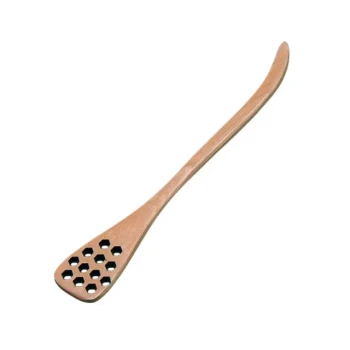
- Modern Honeycomb Pattern Wooden Honey Dipper for Stirring and Drizzling
- Economy Small Scale Honey Dryer Dehumidifier Thickening Machine
- Wide Adjustable Stainless Steel Honey Uncapping Fork with Scraper
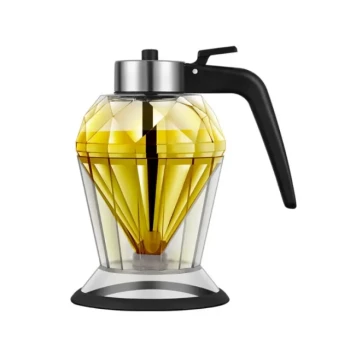
- Premium Diamond-Faceted Glass Honey Dispenser
People Also Ask
- What can the round hive top feeder be used for? A Guide to Efficient, Safe Bee Feeding
- What is the capacity of the round hive top feeder for syrup and pollen? A Guide to Targeted Apiary Support
- What types of hive boxes is the round hive top feeder compatible with? Universal Fit for 8 & 10-Frame Langstroth Hives
- What types of feed can be used with the round hive top feeder? Versatile Feeding for Optimal Apiary Health
- What are the different types of top feeders for bees? Choosing the Best Feeder for Your Apiary