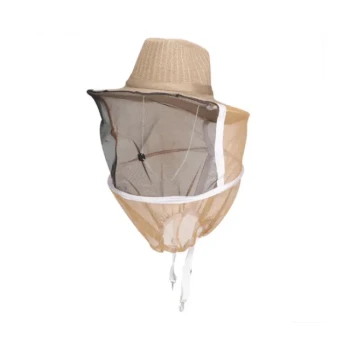
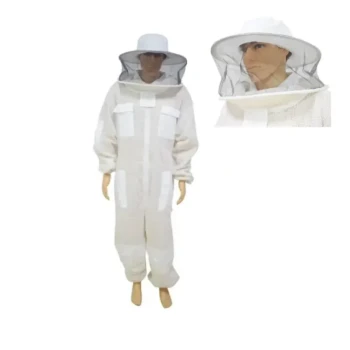
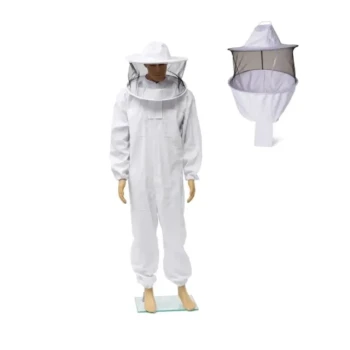
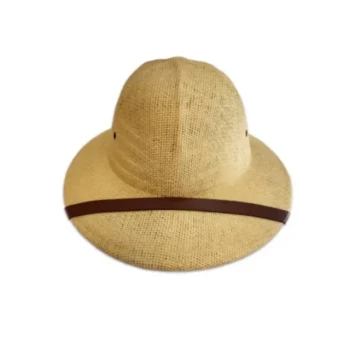
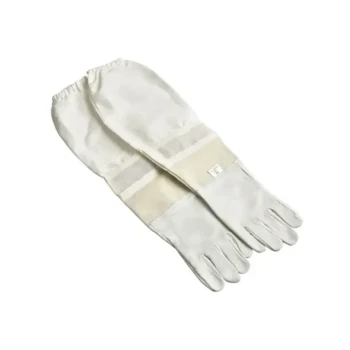
High-quality protective clothing and veils act as an essential operational stabilizer during artificial colony splitting. By establishing a robust safety barrier against stings, this gear allows the beekeeper to maintain the necessary psychological calm to perform fine motor tasks. This composure is vital for executing precise movements, ensuring that delicate emergency queen cells and the queen bee remain unharmed during the complex splitting process.
The strategic value of high-quality gear extends beyond personal safety; it is a prerequisite for operational precision. It transforms the beekeeper’s environment from a defensive struggle into a controlled workspace, protecting fragile biological assets through steady, deliberate handling.
The Critical Link Between Safety and Precision
Preserving Fragile Queen Cells
The primary risk during colony splitting is not just to the beekeeper, but to the hive itself. Artificial splitting requires the handling of emergency queen cells, which are exceptionally soft and vulnerable.
If an operator is distracted by the fear of stings or reacts reflexively to a bee attack, accidental movements can crush these cells. High-quality gear eliminates this distraction, allowing for the gentle touch required to preserve the colony's future.
Protecting the Queen Bee
Identifying and moving the queen is often a central task in splitting operations. This requires intense focus and steady hands.
A secure veil and suit allow the operator to remain calm even when the colony becomes defensive. This prevents erratic movements that could accidentally injure or kill the queen, a mistake that would cause the split to fail immediately.
Operational Workflow and Efficiency
Facilitating Multiple Hive Openings
The queen rearing and splitting process is rarely a single event; it involves multiple hive openings over a short period. Frequent intrusion naturally agitates the colony, increasing the likelihood of defensive behavior.
Reliable protective gear ensures that the beekeeper can perform these repeated inspections without hesitation. This consistency is required to monitor progress and verify the acceptance of new queens or cells.
Reducing Colony Stress
Bees react to the behavior of the beekeeper. Jerky, fearful movements provoke further aggression, creating a feedback loop of stress for the colony.
By using gear that provides a comprehensive physical barrier, the operator can work with fluid, deliberate motions. This calm handling reduces the overall stress on the colony and lowers bee mortality caused by aggressive defensive stinging.
Understanding the Trade-offs
Dexterity vs. Protection
While high-quality gear aims to balance safety with usability, there is always a trade-off between maximum protection and fine motor control.
Thick, sting-proof gloves can obscure tactile feedback, making it harder to feel the delicate frames. For the most intricate tasks, technicians must choose gear with specialized materials that offer protection without sacrificing the necessary sensitivity.
Heat and Endurance
Comprehensive barriers made of high-strength fabrics are excellent for safety but can trap heat.
During extended field work, this can lead to operator fatigue. High-specification gear mitigates this with breathable mesh, but beekeepers must still manage their exposure time to maintain the mental sharpness needed for splitting operations.
Making the Right Choice for Your Goal
Select your protective equipment based on the specific demands of your splitting operation:
- If your primary focus is Queen Rearing Success: Prioritize gloves and veils that offer maximum visibility and dexterity, ensuring you do not damage cells during transfer.
- If your primary focus is High-Volume Production: Choose durable, breathable coveralls that allow you to work for extended periods across multiple hives without fatigue or fear of stings.
Ultimately, high-quality protective gear is an investment in the biological integrity of the hive, ensuring that human intervention remains a help, not a hazard.
Summary Table:
| Operational Factor | Impact of High-Quality Gear | Biological Benefit |
|---|---|---|
| Psychological State | Maintains calm and focus under pressure | Prevents accidental damage to queen cells |
| Physical Dexterity | Balances protection with fine motor control | Ensures safe handling of the queen bee |
| Colony Interaction | Enables fluid, non-threatening movements | Reduces bee stress and defensive stinging |
| Operational Stamina | Breathable materials reduce heat fatigue | Facilitates efficient, high-volume hive inspections |
Elevate Your Apiary Operations with HONESTBEE
At HONESTBEE, we empower commercial apiaries and distributors by providing a comprehensive wholesale range designed for professional performance. From high-specification protective gear that ensures operational precision to industrial-grade hive-making and honey-filling machinery, we supply everything your business needs to thrive.
Why partner with us?
- Full Spectrum Supply: Beekeeping tools, machinery, and essential industry consumables.
- Specialized Hardware: Advanced solutions for hive manufacturing and honey processing.
- Cultural Merchandise: Unique honey-themed products to diversify your portfolio.
Contact our expert team today to discover how our wholesale offerings can enhance your efficiency and secure your biological assets.
References
- Tesfaye Bekele, Dadi Genet. On-farm participatory Evaluation of Splitting Queen Rearing Technique (SQRT) at Ginnir District, Bale Zone, South-eastern Ethiopia. DOI: 10.5897/jaerd2016.0790
This article is also based on technical information from HonestBee Knowledge Base .
Related Products
- White Cotton Beekeeping Jacket and Veil for Bee Keepers
- Beekeeping Jacket with Hood and Veil for Beekeepers
- Beekeeper Cowboy Hat and Veil for Beekeeping
- Premium Three Layer Ventilated Bee Suit with Round Veil
- Premium Cowboy Beekeeper Hat with Visibility Veil Outdoor Professional Beekeeping Protective Gear
People Also Ask
- What are the features of an economical beekeeping jacket? Essential Protection for Budget-Conscious Beekeepers
- What are the pros of using a beekeeping jacket? Unlock Superior Comfort and Mobility for Your Apiary
- What factors should a new beekeeper consider when choosing between a jacket and a full suit? Security vs. Comfort
- What are the advantages of a beekeeping jacket? Superior Mobility & Comfort for Routine Hive Inspections
- When is a beekeeping jacket considered a more suitable choice than a full suit? Optimize Your Apiary Mobility