Sensory evaluation functions as a critical process control node that scientifically validates honey quality through the systematic assessment of its physical attributes. By analyzing color, aroma, flavor, and consistency, professional reviewers generate the data necessary to verify botanical origins and ensure compliance with strict Protected Geographical Indication standards.
Sensory evaluation acts as the bridge between raw physical properties and regulatory compliance. It provides the definitive scientific basis for classifying honey varieties and serves as a standardized filter to identify high-quality raw materials.
The Mechanics of Sensory Assessment
The Four Pillars of Evaluation
To maintain objective process control, reviewers do not rely on vague impressions.
They systematically assess four specific parameters: aroma, taste, color, and consistency.
Standardized Methodology
Consistency in testing environments is vital for accurate process control.
Assessments are conducted using transparent sample cups to prevent visual bias regarding clarity or viscosity from obscuring other traits.
The Scoring Framework
Evaluators utilize a rigorous five-point scale for each of the four parameters.
This converts subjective sensory experiences into quantifiable data points that can be tracked and analyzed over time.
Defining High Quality
The cumulative score serves as a definitive threshold for raw material acceptance.
High-quality honey raw materials are specifically identified as those achieving a total score between 16 and 20 points.
Strategic Applications in Production
Botanical Classification
Sensory evaluation provides the scientific basis required to segregate honey by variety.
It allows producers to definitively label products as specific varieties, such as acacia, chestnut, or linden honey, based on their distinct sensory profiles.
Regulatory Compliance
Beyond internal quality, this process ensures products meet external legal standards.
It verifies that the honey complies with Protected Geographical Indication (PGI) quality standards, protecting the product's market value and authenticity.
Correlation with Biological Activity
The data gathered does not just serve immediate quality control; it supports long-term product research.
By ensuring sample uniformity, this process provides essential data for studying how physical properties correlate with the biological activities of different honey varieties.
Understanding the Trade-offs
The Requirement for Professionalism
This process control method relies heavily on the expertise of the reviewer.
It requires professional reviewers, not casual tasters, to ensure that the 5-point scale is applied objectively and consistently across batches.
The Necessity of Strict Conditions
Data validity is compromised if the testing environment fluctuates.
Without standardized tools like transparent cups and strict adherence to the four-parameter protocol, the correlation between physical properties and quality becomes unreliable.
Ensuring Quality in Your Assessment Protocol
To effectively utilize sensory evaluation as a process control method, align your approach with your specific production goals:
- If your primary focus is Botanical Authenticity: Prioritize the distinct separation of aroma and flavor profiles to accurately classify varieties like acacia or chestnut.
- If your primary focus is Raw Material Sourcing: Implement a strict rejection policy for any samples that fail to fall within the 16-20 point total score range.
- If your primary focus is Regulatory Compliance: Ensure your sensory parameters differenced against specific Protected Geographical Indication (PGI) requirements for your region.
By rigorously applying these standardized sensory metrics, you transform subjective tasting into an objective, repeatable science that guarantees product excellence.
Summary Table:
| Evaluation Parameter | Assessment Method | Scoring Threshold | Strategic Value |
|---|---|---|---|
| Aroma & Flavor | Systematic sensory analysis | 5-point scale per pillar | Verifies botanical origin (e.g., Acacia, Linden) |
| Color & Consistency | Visual/Physical check in transparent cups | 5-point scale per pillar | Ensures purity and physical uniformity |
| Cumulative Score | Quantitative data aggregation | 16–20 points (High Quality) | Defines raw material acceptance or rejection |
| Regulatory Check | Comparison with PGI standards | Compliance verification | Protects market value and authenticity |
Elevate Your Honey Production Standards with HONESTBEE
At HONESTBEE, we understand that maintaining honey quality is a science. As a leading provider for commercial apiaries and distributors, we offer more than just supplies—we provide the infrastructure for excellence. Whether you need specialized honey-filling machines, hive-making machinery, or high-quality beekeeping tools and consumables, our comprehensive wholesale portfolio is designed to help you meet rigorous PGI standards and sensory benchmarks.
From industrial-grade hardware to honey-themed cultural merchandise, HONESTBEE is your partner in scaling your beekeeping business and ensuring every jar meets the highest quality profiles.
Ready to optimize your apiary or distribution network? Contact us today to discuss your wholesale needs!
References
- Kristina Brščić, Josip Šiklić. BEEKEEPERS. DOI: 10.5513/jcea01/14.4.1378
This article is also based on technical information from HonestBee Knowledge Base .
Related Products
- High Quality Honey Dehumidifier Dryer Thickening Machine for Beekeeping
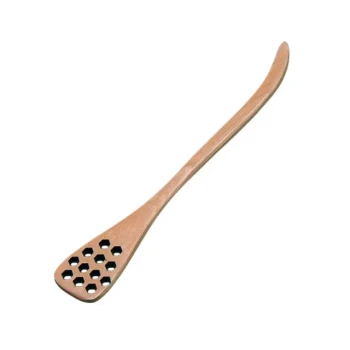
- Modern Honeycomb Pattern Wooden Honey Dipper for Stirring and Drizzling
- Economy Small Scale Honey Dryer Dehumidifier Thickening Machine
- Classic Honey Bear Jars with Flip Top Dispensing Cap for Liquid Sweeteners
- Inverted Squeezable Honey Jar with No Drip Flip Top Cap for Easy Pouring
People Also Ask
- Can you dehumidify honey? A Beekeeper's Guide to Preventing Fermentation
- How to dry up honey? The Safe Guide to Stabilizing Honey and Preventing Fermentation
- How can the moisture content of honey be reduced? A Guide to Safe, Effective Drying Methods
- How to remove humidity from honey? Protect Your Harvest from Fermentation
- How to decrease moisture in honey? Prevent Fermentation and Ensure Long-Term Quality