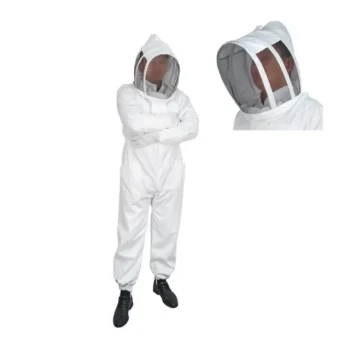
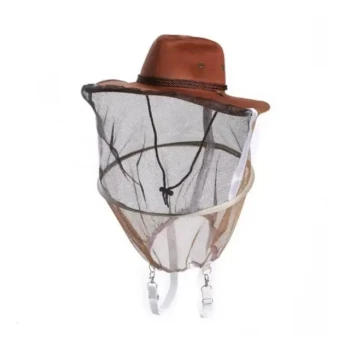
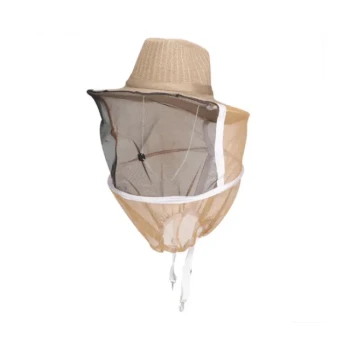
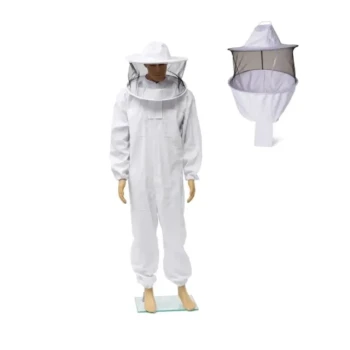
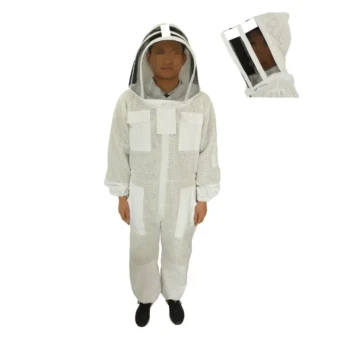
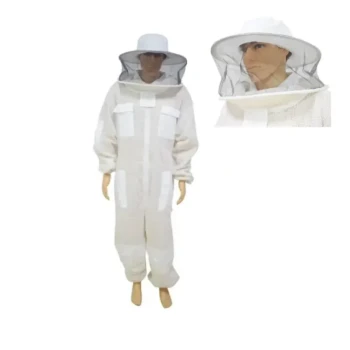
Industrial-grade beekeeping protective clothing serves as the fundamental safety infrastructure for apitourism and field teaching. By utilizing specialized veils, full-body suits, and protective gloves, operators create a critical physical barrier that allows non-professionals to observe bee colony biology and production models without the risk of stings.
By acting as a reliable safety shield, this equipment effectively transforms intangible ecological processes into tangible, safe educational products, thereby significantly increasing the socio-cultural value of the beekeeping industry.
The Mechanics of Visitor Protection
Creating a Physical Barrier
The primary function of professional protective gear is physical isolation. Through a sealed fabric structure, the equipment separates the visitor from the potential defensive behaviors of the colony.
Essential Components
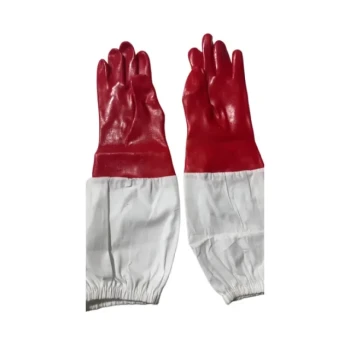
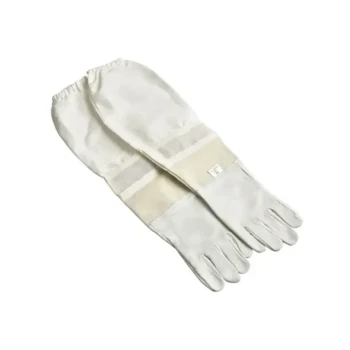
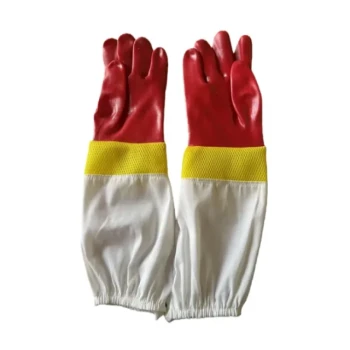
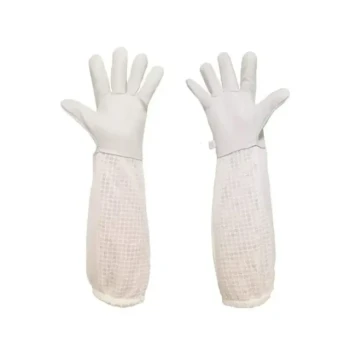
A complete safety system relies on the integration of specific industrial-grade items. This includes breathable veils to protect the eyes and face, specialized gloves for hand protection, and full suits to cover the body.
Enabling Close-Range Observation
Without this barrier, laypeople cannot safely approach hives. Protective clothing permits close-range interaction, allowing visitors to witness hive operations and honeybee behaviors that would otherwise be inaccessible.
Transforming Risk into Educational Value
Facilitating "Tangible" Tourism
Beekeeping offers "intangible ecological services," such as pollination and biodiversity. Protective clothing is the tool that converts these abstract concepts into a "tangible" tourism product by allowing safe physical presence in the apiary.
Ensuring Operational Smoothness
Fear of injury is the primary deterrent for participants in apitourism. By eliminating safety concerns through professional-grade equipment, operators ensure the smooth execution of guided tours and simulated honey harvesting.
Elevating Professional Standards
The use of high-quality gear signals compliance and safety standards to the visitor. This enhances the professional quality of the tourism experience, allowing guests to focus on learning rather than worrying about personal safety.
Understanding the Operational Requirements
The Necessity of Quality
Not all protective gear is suitable for untrained visitors. The equipment must be "industrial-grade" and high-quality to ensure a fail-safe barrier during interactive activities.
The Limits of Protection
While protective clothing mitigates the risk of stings, it does not eliminate the need for proper supervision. The gear acts as a prerequisite for safety, but it must be paired with expert guidance to ensure visitors do not accidentally compromise the equipment's seal.
Making the Right Choice for Your Program
To leverage protective clothing effectively in your operations, consider the following approach:
- If your primary focus is Apitourism: Prioritize high-quality, breathable gear to eliminate visitor anxiety, ensuring the "product" is the experience rather than the risk.
- If your primary focus is Educational Field Teaching: Ensure the equipment allows for maximum visibility and mobility, enabling students to observe biological characteristics and production models clearly.
By standardizing the use of industrial-grade protection, you bridge the gap between dangerous wildlife interactions and valuable cultural experiences.
Summary Table:
| Feature | Role in Apitourism & Education | Key Benefit |
|---|---|---|
| Physical Barrier | Full-body isolation from colony defense | Prevents stings and reduces visitor anxiety |
| Visual Clarity | High-visibility mesh veils | Enables detailed observation of bee biology |
| Professionalism | Standardized industrial-grade gear | Builds trust and signals high safety standards |
| Operational Ease | Breathable and mobile designs | Facilitates smooth, hands-on learning activities |
Scale Your Apiary Experience with HONESTBEE
Are you looking to expand your commercial apiary into the lucrative world of apitourism or professional education? HONESTBEE is your strategic partner, supplying the highest quality industrial-grade beekeeping suits, specialized tools, and hive-making machinery. We empower distributors and large-scale apiaries to offer a fail-safe environment for visitors and students alike. From essential consumables to advanced honey-filling machines and honey-themed cultural merchandise, we provide the full spectrum of equipment needed to maximize your operational value.
Ready to professionalize your beekeeping business? Contact our expert team today to access premium wholesale solutions tailored to your success!
References
- Olatz Etxegarai-Legarreta, Valeriano Sanchez‐Famoso. The Role of Beekeeping in the Generation of Goods and Services: The Interrelation between Environmental, Socioeconomic, and Sociocultural Utilities. DOI: 10.3390/agriculture12040551
This article is also based on technical information from HonestBee Knowledge Base .
Related Products
- Premium Cotton Beekeeper Suit with Reinforced Fencing Veil
- Premium Cowboy Beekeeper Hat with Visibility Veil Outdoor Professional Beekeeping Protective Gear
- White Cotton Beekeeping Jacket and Veil for Bee Keepers
- Beekeeper Cowboy Hat and Veil for Beekeeping
- Beekeeping Jacket with Hood and Veil for Beekeepers
People Also Ask
- What material and design specifications are recommended for a high-quality beekeeper suit? Top Gear Selection Guide
- How to Pre-treat Propolis Stains on Beekeeping Suits? Master Advanced Fabric Care and Soil Removal
- What features should be considered for sting protection in a beekeeping suit? Ensure Total Safety and Comfort
- What are the differences between full suits and jackets with veils in beekeeping? Choose Your Best Protection
- What features should be looked for in a beekeeping suit for maximum comfort? Prioritize Ventilation and Fit