Strict environmental isolation and mechanical durability are the defining technical requirements for selecting sampling containers for Apis florea honey. Due to this specific honey's unique physicochemical profile—characterized by high water content and low viscosity—you must utilize industrial-grade containers equipped with high-pressure sealing mechanisms to prevent leakage and atmospheric contamination.
Core Insight Unlike standard honey varieties, Apis florea honey is exceptionally fluid and hygroscopic, making it highly susceptible to leakage and environmental alteration. To ensure analytical results accurately reflect the honey's ecosystem, sampling vessels must function as complete isolation barriers, utilizing high-pressure seals to lock out moisture and lock in the low-viscosity liquid.
Managing Unique Physicochemical Properties
Addressing Low Viscosity
Honey produced by Apis florea exhibits significantly lower viscosity than honey from native bee species. It does not flow like standard commercial honey; it acts more like a thin fluid.
Because of this, standard friction-fit lids or loose screw caps are prone to failure. You must select containers capable of high-pressure sealing to prevent the fluid from bypassing the seal during the vibrations and pressure changes associated with transport.
Mitigating Moisture Absorption
This honey variety naturally possesses a high water content. This makes the substance hygroscopic, meaning it will readily absorb additional moisture from the surrounding air if exposed.
To prevent the sample from becoming diluted or chemically altered before analysis, the container must provide an absolute barrier against atmospheric moisture. The seal must be airtight to ensure the water content data measured in the lab reflects the hive conditions, not the transport conditions.
Ensuring Chemical Stability
The primary reference dictates the use of industrial-grade storage tanks and containers. This requirement stems from the need to maintain the sample's chemical integrity.
The vessel material must be chemically inert to prevent reactions with the honey’s acidic or bioactive components. This stability ensures that subsequent analytical results accurately characterize the production profile of the Apis florea colony.
Evaluating Material Trade-offs
The Case for Glass
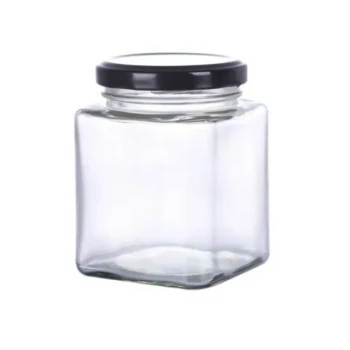
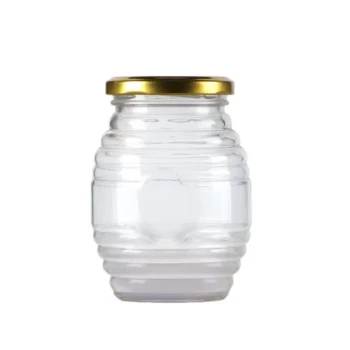
When maximum chemical stability is the priority, glass remains the standard. It offers exceptional barrier properties against oxygen and moisture, which is critical for preserving the bioactive components and acidity unique to wild bee honeys.
However, glass poses significant logistical risks. It is heavy and prone to breakage, which can lead to the total loss of valuable field samples during transit.
The Case for High-Grade Plastic
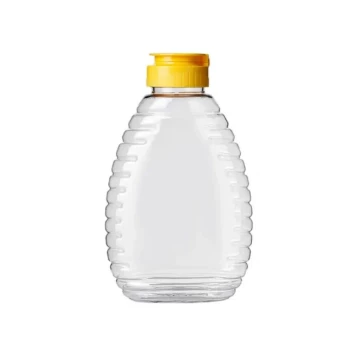
Food-grade plastic offers a distinct logistical advantage. It is lightweight and resistant to impact, significantly reducing the "breakage rate" and lowering shipping costs.
The trade-off is often in the barrier properties. If selecting plastic, you must ensure it is of an industrial specification that rivals glass in chemical inertness and oxygen resistance to avoid compromising the sample's shelf life or purity.
Making the Right Choice for Your Goal
When finalizing your sampling protocol for Apis florea honey, match the container to your logistical reality and analytical priorities.
- If your primary focus is analytical precision and bioactivity: Prioritize high-quality glass containers with pressure-capable seals to ensure maximum chemical stability and oxygen barriers, despite the transport risk.
- If your primary focus is field logistics and transport safety: Select industrial-grade food plastic equipped with high-pressure seals to eliminate breakage risks while maintaining sufficient containment of the low-viscosity fluid.
Select the container that treats the sample not just as food, but as a chemically volatile fluid requiring total isolation.
Summary Table:
| Feature | Requirement for Apis florea | Why It Matters |
|---|---|---|
| Seal Type | High-pressure, airtight mechanisms | Prevents leakage of low-viscosity, thin fluid. |
| Barrier Property | High moisture/oxygen resistance | Stops hygroscopic honey from absorbing humidity. |
| Material | Industrial-grade Glass or HP-Plastic | Ensures chemical inertness and sample purity. |
| Durability | High impact resistance (for transport) | Minimizes loss of valuable wild honey samples. |
Elevate Your Beekeeping Operations with HONESTBEE
For commercial apiaries and distributors handling specialized varieties like Apis florea honey, the right equipment is the difference between quality and loss. HONESTBEE provides professional-grade solutions tailored for the industry. From high-precision honey-filling machines to durable industrial-grade storage and a complete range of beekeeping tools and machinery, we supply everything you need to scale your production.
Partner with us to access a comprehensive wholesale portfolio of equipment and honey-themed cultural merchandise. Ensure your products maintain their integrity from hive to market—contact HONESTBEE today to discuss your wholesale needs!
References
- A Zewdu, B Gebreamlak. Assessment of Alien Honeybee Species (Apis florea) in North West and Northern Ethiopia. DOI: 10.15580/gjas.2016.3.012016019
This article is also based on technical information from HonestBee Knowledge Base .
Related Products
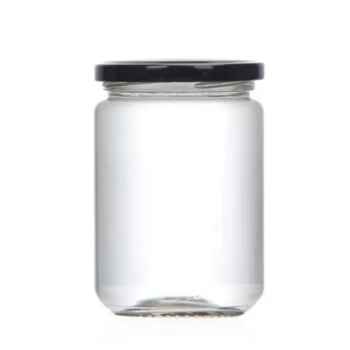
- Classic Round Glass Honey Jar with Lid
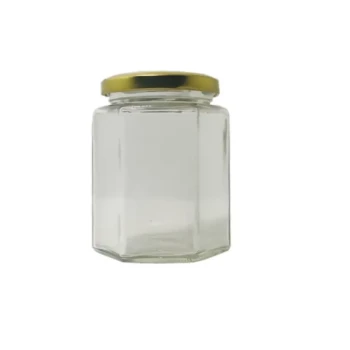
- Hexagonal Glass Honey Jars with Metal Lug Caps Elegant Versatile Packaging
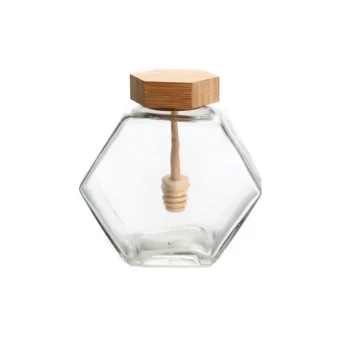
- Hexagonal Glass Honey Jar with Wooden Lid Integrated Dipper Elegant Functional Storage
- Classic Drum Shaped Glass Honey Jar with Airtight Lid
- Modern Square Glass Honey Jar with Twist Off Lid
People Also Ask
- What is the aesthetic appeal of using glass jars for honey? Elevate Your Brand with Premium Packaging
- What are the advantages of glass containers for honey? Elevate Quality and Market Value with Premium Packaging
- How does the appearance of glass jar packaging affect the sales and perception of honey? Boost Your Premium Brand Value
- Why is a glass jar preferred for packaging honey? Ultimate Protection for Purity & Flavor
- What are the advantages of using high-quality glass containers in the commercial packaging of honey? Boost Premium Value