The Caucasian honeybee (Apis mellifera caucasica) is generally the best-supported choice for commercial propolis production with specialized traps. Its strong natural tendency to coat hive interiors with resin—known as excessive propolizing behavior—can increase the amount of propolis deposited on collection screens and grids. For distributors, commercial apiaries, and beekeepers, the best results still depend on strain selection, local resin availability, colony management, and properly designed harvesting equipment.
For trap-based propolis production, prioritize Apis mellifera caucasica because its pronounced propolizing behavior directly supports higher collection potential. Other strains, including Apis mellifera meda, may also perform well, so controlled local trials are advisable before large-scale investment.
Why the Caucasian Honeybee Is the Leading Choice
Its natural behavior supports higher yields
Caucasian honeybees are recognized for applying heavy coatings of propolis to hive interiors. When a specialized trap or collection screen is installed, this behavior can translate into more resin deposited on the removable harvesting surface.
The key advantage is biological rather than mechanical: the equipment captures a behavior the colony already performs naturally.
It aligns well with specialized harvesting traps
Propolis traps and grids create narrow spaces or textured surfaces that bees tend to fill with resin. Because Caucasian colonies actively seal and coat hive gaps, they are well suited to this collection method.
The trap does not create propolis by itself. It provides an efficient, removable surface for collecting material that the bees would otherwise place on hive components.
It supports a diversified apiary product portfolio
Commercial apiaries can use specialized equipment to collect propolis, pollen, beeswax, royal jelly, and honey. This diversification can reduce dependence on honey production alone, particularly when seasonal honey yields fluctuate.
For wholesalers and resellers, a propolis-focused supply program can also support demand for traps, collection grids, replacement screens, packaging, and downstream processing supplies.
What Determines Commercial Propolis Output
Genetics are important, but not sufficient
A Caucasian strain offers a strong starting point, but actual output also depends on colony strength, forage conditions, resin-producing plants, climate, and hive management. A genetically suitable colony cannot produce substantial propolis if nearby resin sources are limited.
The most reliable approach is to evaluate performance under the apiary’s real operating conditions rather than relying only on breed reputation.
Colony health must remain the priority
Propolis harvesting should not compromise normal colony activity, ventilation, brood development, or inspection access. Traps must be installed and removed in a way that avoids unnecessary colony disturbance.
Equipment should be clean, structurally sound, and appropriate for the hive system being used.
Equipment quality affects usable yield
Industrial-grade propolis collectors and specialized grids can improve collection efficiency and product consistency. However, poor-quality materials, difficult-to-clean surfaces, or unsuitable dimensions may increase contamination or make routine harvesting impractical.
For commercial operations, ease of installation, repeatability, cleaning, and fulfillment of replacement parts matter as much as the initial collection rate.
How Other Subspecies Compare
Apis mellifera meda may be a viable alternative
Some references identify Apis mellifera meda as having strong biological characteristics for propolis collection. This makes it a potentially valuable alternative for regional breeding and production programs.
However, the available reference does not establish it as a universal replacement for Apis mellifera caucasica. Its commercial performance should be validated through local trials using the intended trap design.
Regional adaptation can change the outcome
A subspecies that performs strongly in one environment may not deliver the same results elsewhere. Climate, available resin plants, colony temperament, and management practices can materially affect productivity.
Commercial buyers should therefore consider verified field performance and supply reliability, not only the nominal subspecies.
Standardized hive systems remain relevant
The western honeybee, Apis mellifera, is widely managed for honey production and pollination using standardized movable-frame hives. Compatible hive hardware makes it easier to install propolis traps, conduct inspections, and maintain consistent collection procedures.
This compatibility is especially important for distributors serving apiaries that require one-stop sourcing for frames, hive components, protective equipment, smokers, traps, and other consumables.
Understanding the Trade-offs
Higher propolizing behavior can increase maintenance
A colony that produces abundant propolis may also seal hive components, frames, and openings more heavily. This can make inspections and equipment removal more labor-intensive.
Beekeepers should account for additional scraping, cleaning, and routine handling when comparing potential yields.
Higher collection potential does not guarantee purity
Propolis collected from a trap may contain wax, wood particles, debris, or other hive material if the equipment is poorly designed or maintained. High-purity output requires clean collection surfaces, appropriate storage, and careful handling.
Harvesting equipment should be selected as part of a complete quality-control process rather than treated as a standalone solution.
Breed selection should not override local testing
Replacing an established bee population solely to pursue propolis production can create management, adaptation, and supply risks. A trial program using selected colonies and standardized traps is usually more defensible than an immediate full-scale conversion.
Measure collection volume, contamination, labor requirements, colony response, and repeatability before committing to a larger procurement plan.
Making the Right Choice for Your Goal
The best decision depends on whether your priority is maximum propolis output, operational reliability, or a broader commercial product program.
- If your primary focus is maximum propolis production: Start with well-managed Apis mellifera caucasica colonies and pair them with purpose-built propolis traps or collection grids.
- If your primary focus is regional adaptation: Compare Caucasian colonies with locally suitable strains, including Apis mellifera meda, through controlled field trials.
- If your primary focus is product purity: Select easy-to-clean, industrial-grade collection equipment and establish consistent harvesting and storage procedures.
- If your primary focus is commercial efficiency: Source compatible traps, hive hardware, protective equipment, and replacement consumables through a reliable supplier with responsive fulfillment.
- If your primary focus is product diversification: Integrate propolis collection with pollen, beeswax, royal jelly, and honey production while protecting colony health.
For commercial trap-based propolis production, Caucasian honeybees provide the strongest starting point, but disciplined testing and equipment management determine the final business result.
Summary Table:
| Subspecies | Propolizing Behavior | Suitability for Trap Harvesting | Notes |
|---|---|---|---|
| Apis mellifera caucasica | High | Excellent | Best-supported choice for maximum propolis output |
| Apis mellifera meda | Moderate to High | Good | Potential alternative; needs local trials |
| Other strains | Variable | Variable | Requires individual evaluation |
Ready to source high-quality propolis traps and beekeeping equipment for your commercial operation? Partner with HONESTBEE—your one-stop supplier for all beekeeping needs. Our extensive portfolio includes specialized traps, hive-making machinery, honey-filling lines, and essential consumables, backed by fast response, dedicated support, and efficient global delivery. Contact us today to get a tailored quote and optimize your propolis production! Contact us.
Related Products
- 8 Frame and 10 Frame Propolis Trap Collector Screen for Propolis Collection
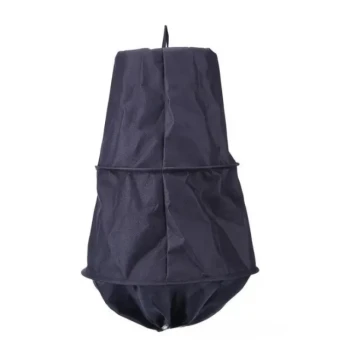
- HONESTBEE Collapsible Tiered Bee Swarm Catcher for Beekeeping
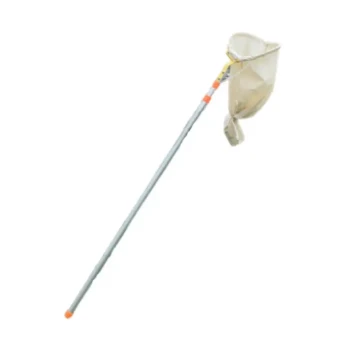
- HONESTBEE Professional Telescopic Pole Bee Swarm Catcher
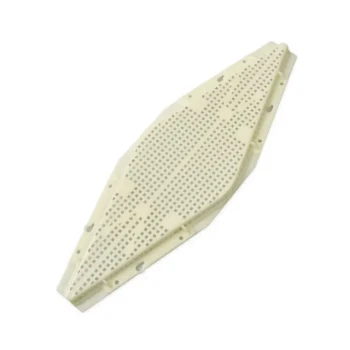
- High-Efficiency Diamond Maze Bee Escape for Clearing Supers
- 30 cm Plastic Entrance Hole Bee Pollen Trap and Collector
People Also Ask
- Why is a specific wooden frame required when installing a propolis screen? Optimize Your Propolis Harvest Efficiency
- What are the advantages of using propolis collector screens? Elevate Your Harvest to Pharmaceutical Purity
- How do propolis collection screens work? Discover material specs for commercial harvesting equipment
- How does the mesh size of a propolis collection screen influence the efficiency of propolis harvesting? Optimize Yields!
- How do commercial-grade plastic screens compare to custom fine-mesh screens? Maximize Your Propolis Yield & ROI