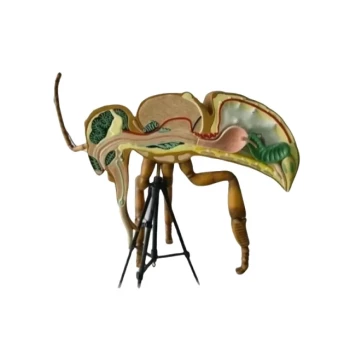
Accurate identification is the cornerstone of effective pest management. Species identification manuals and diagnostic tools are essential for preventing the spread of Vespa velutina primarily because they prevent the accidental destruction of native, beneficial bees. By enabling beekeepers and enforcement personnel to clearly distinguish invasive hornets from local species, these tools ensure that control measures are targeted, ecologically safe, and efficient.
Effective invasive species control requires a dual focus: eliminating the threat while simultaneously protecting the local ecosystem. Professional identification tools provide the necessary precision to ensure interception actions do not become an ecological liability.
Preserving the Native Ecosystem
Protecting Native Beneficial Bees
The primary risk in controlling invasive species is collateral damage to the local environment. Without precise diagnostic tools, there is a high probability of accidental killing of native bees that resemble the invader.
Identification manuals provide the visual data necessary to separate Vespa velutina from beneficial pollinators. This protects the local biodiversity that the invasive species control program is meant to save.
Distinguishing Invaders from Locals
Visual similarities between species can deceive the untrained eye. Professional manuals highlight specific identification features and offer side-by-side comparisons.
These comparisons allow beekeepers and field personnel to confidently distinguish the invasive hornet from similar-looking native insects. This clarity is the only way to ensure that lethal measures are applied exclusively to the target pest.
Enhancing Monitoring and Interception
Targeted Interception Actions
Resources for pest control are often limited. Accurate tools ensure that interception actions are focused strictly on confirmed threats rather than false alarms.
When enforcement personnel can quickly verify a species, they avoid wasting time and resources on benign insects. This focus increases the overall success rate of eradication efforts.
Securing High-Risk Pathways
Global trade routes are common vectors for invasive species. Vespa velutina often enters new territories through shipping containers and timber trade.
diagnostic tools improve the monitoring efficiency of these invasion pathways. Rapid and accurate identification at ports of entry is critical for stopping the spread before the hornet can establish a foothold.
The Cost of Ambiguity
It is important to understand the consequences of operating without these specific tools. Relying on guesswork or general knowledge creates significant operational risks.
If identification is ambiguous, enforcement becomes hesitant or reckless. This leads to either ecological damage through the culling of native species or the unchecked spread of the invader due to missed detections. Precision is not just a luxury; it is a requirement for avoiding these negative outcomes.
Strategic Application of Identification Resources
To maximize the effectiveness of your control strategy, apply these tools based on your specific operational focus:
- If your primary focus is Ecological Conservation: Prioritize manuals that offer detailed comparisons to native bees to eliminate the risk of accidental by-catch.
- If your primary focus is Border Enforcement: Utilize rapid diagnostic tools to streamline the inspection of high-volume pathways like shipping containers and timber.
True control is achieved when precision meets action, ensuring the ecosystem is protected while the invader is stopped.
Summary Table:
| Key Benefit | Description | Strategic Value |
|---|---|---|
| Ecosystem Protection | Distinguishes Vespa velutina from native bees | Prevents accidental killing of beneficial pollinators |
| Resource Efficiency | Reduces false alarms in pest management | Focuses interception actions on confirmed invasive threats |
| Pathway Security | Rapid identification at ports/shipping routes | Stops spread through timber and container trade vectors |
| Operational Precision | Replaces guesswork with visual/diagnostic data | Minimizes ecological liability and improves eradication rates |
Secure Your Apiary Against Invasive Threats with HONESTBEE
Protecting your livelihood from predators like Vespa velutina requires more than just vigilance—it requires professional-grade precision. HONESTBEE is dedicated to supporting commercial apiaries and distributors with a comprehensive range of high-performance beekeeping tools, specialized machinery, and essential consumables.
Whether you need advanced hive-making equipment to fortify your colonies, honey-filling machines to scale your production, or specialized hardware for invasive species management, we provide the wholesale solutions you need to thrive. Our team understands the unique challenges of large-scale beekeeping and is ready to equip you with the tools to protect your bees and maximize your yield.
Ready to upgrade your commercial operations? Contact HONESTBEE today to explore our full product portfolio and discover how our expertise can benefit your business.
References
- Zenia Ruiz-Utrilla, Ángela P. Cuervo-Robayo. Risk of Asian hornet invasion in Mexico: a proposal for invasive species risk assessment from a spatial perspective. DOI: 10.1007/s10531-024-02831-y
This article is also based on technical information from HonestBee Knowledge Base .
Related Products
- Durable Plastic Hive Number Set for Beekeeping
- Professional Large-Format Hive Number Set for Beekeeping
- Heavy-Duty Ergonomic Grip Galvanized Pollen Shovel
- HONESTBEE AC Powered Wire Embedder with Alligator Clips
- Professional Engraved Round Hive Number Tags for Beekeeping
People Also Ask
- How do plastic hives offer protection against wax moths? Secure Your Apiary with Durable Pest Resistance
- Why might bees reject a plastic hive? Key Factors in Colony Acceptance and Material Management
- What are the advantages of numbered plastic tags? Achieve Precise Individual Honeybee Identification
- What is the role of record-keeping tools like manuals and hive markers in professional queen bee breeding? Master Data.
- What is a major durability advantage of plastic hives? Immune to Rot for 10+ Year Lifespan