The preference for four-legged metal hive stands in coconut plantations is driven by the critical need for mechanical stability against heavy falling debris.
In an environment where coconut fronds and nuts frequently fall with significant force, a four-legged design provides a wide, stable base that resists toppling upon impact. Conversely, a single-pillar stand, while effective for elevation, lacks the structural redundancy to remain upright when struck by heavy vegetation, risking the total loss of the colony.
In coconut plantations, the primary threat to a hive is physical impact from above; four-legged stands mitigate this risk by anchoring the hive securely, while simultaneously providing essential elevation against ground moisture and pests.
Structural Resilience in Plantation Environments
Mitigating the Impact of Falling Debris
The most distinct hazard in a coconut plantation is the vertical threat of falling biomass. Coconut fronds are heavy, rigid, and fall from great heights.
A single-pillar stand creates a pivot point; if a frond strikes the edge of the hive, the force can easily knock it off balance. A four-legged stand distributes the hive's weight across a wider footprint, ensuring it remains upright even if struck on the side.
The Mechanics of Stability
Stability is a function of the center of gravity relative to the base of support.
By using four distinct points of contact with the ground, the stand creates a broad "tip-over angle." This mechanical advantage is essential in preventing the hive from capsizing, which would not only damage the equipment but likely kill the brood and irritate the colony.
Environmental Isolation and Health
Protection from Ground Moisture
Beyond impact protection, these stands serve a vital sanitary function by elevating the hive.
Direct contact with the ground in tropical plantation environments often leads to wood rot and moisture accumulation. Metal stands elevate the hive body, ensuring airflow beneath the bottom board and extending the lifespan of the wooden ware.
Defense Against Crawling Pests
Ground-dwelling pests, particularly ants, are a constant threat to bee colonies in agricultural settings.
By elevating the hive on metal legs, you reduce the surface area available for pests to climb. While ants can climb metal, the elevated structure makes it easier for beekeepers to spot incursions and apply barriers compared to hives placed on blocks or low pallets.
Understanding the Trade-offs
The Cost of Stability
It is important to acknowledge that four-legged metal stands generally require more material and fabrication time than single-pillar designs.
However, in a coconut plantation, this additional upfront cost is an insurance policy. The financial loss of a productive colony crushed by a falling frond far outweighs the savings of a cheaper, less stable stand.
Leveling Considerations
A potential downside of four points of contact is stability on uneven terrain.
Unlike a single pillar, which can never wobble (though it can lean), a four-legged stand requires a relatively flat surface to avoid rocking. Beekeepers must ensure the ground is leveled or shims are used to prevent vibration, which can agitate the bees.
Making the Right Choice for Your Apiary
To maximize the longevity of your apiary in an agricultural setting, assess your specific environmental risks.
- If your primary focus is preventing hive loss in coconut groves: Prioritize four-legged metal stands to withstand the impact of falling fronds and nuts.
- If your primary focus is minimizing equipment rot and pest infiltration: Ensure your chosen stand provides significant elevation (12-18 inches) off the humid plantation floor.
The best equipment choice is one that turns environmental hazards into manageable risks.
Summary Table:
| Feature | Four-Legged Metal Stand | Single-Pillar Stand |
|---|---|---|
| Impact Stability | High (Wide base resists toppling) | Low (Prone to tipping from side impact) |
| Structural Redundancy | Four points of contact for balance | Single pivot point |
| Pest Protection | High elevation; easy to monitor | Variable elevation |
| Durability | High (Resistant to tropical rot) | High (If metal) |
| Best Environment | Coconut groves & plantations | Managed gardens & flat terrain |
Secure Your Apiary Investment with HONESTBEE
Operating a commercial apiary in challenging plantation environments requires equipment that prioritizes durability and structural resilience. At HONESTBEE, we specialize in providing commercial apiaries and distributors with the robust machinery and tools needed to thrive. From heavy-duty metal hive stands and specialized hive-making machines to advanced honey-filling equipment and industry-essential consumables, our comprehensive wholesale portfolio is designed to mitigate environmental risks and maximize your productivity.
Ready to upgrade your infrastructure with professional-grade beekeeping hardware?
Contact our expert team today to discuss your wholesale needs and let HONESTBEE provide the stability your business deserves.
References
- C.G. Arunkumara, M. C. Keerthi. Unlocking Local Wisdom: Indigenous Techniques and Farmer Innovations in Beekeeping in Karnataka. DOI: 10.55446/ije.2025.2659
This article is also based on technical information from HonestBee Knowledge Base .
Related Products
- Metal Hive Feet Bee Hive Stand for Ant Protection
- Metal Bee Hive Stand Bee Box Stand for Beekeeping
- Professional Ant-Proof Beehive Stand with Integrated Moat for Beekeeping
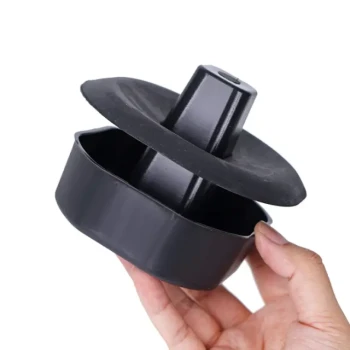
- Plastic Bee Hive Stand for Beekeeping
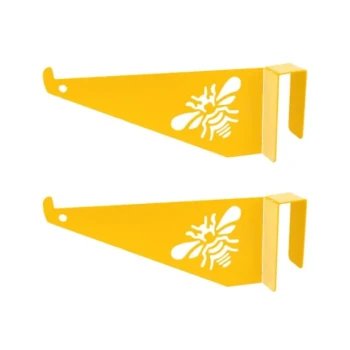
- Heavy Duty Laser Cut Bee Design Metal Frame Perch
People Also Ask
- What are the benefits of elevating a bee hive with a stand or base? Protect Your Colony and Your Back
- How does a beehive stand protect against predators and pests? Essential Strategies for Colony Security
- How should the height of a beehive stand be determined? Find Your Ergonomic Sweet Spot
- What to stand a beehive on? The Best Foundation for a Healthy, Manageable Apiary
- How do beehive stands and ground installation methods affect beekeeping productivity in extreme climates? Maximize Yields