High-precision analytical testing instruments are mandatory because the chemical composition of raw propolis is inherently unstable and diverse. These tools allow producers to quantify over 500 specific chemical components that vary depending on the region, season, and botanical source of the hive.
Natural variability is the primary challenge in commercializing bee products. Advanced testing instruments bridge the gap between fluctuating raw materials and the strict standardization required for reliable, effective consumer products.
The Challenge of Natural Variability
The Influence of Geography and Season
Propolis is not a factory-made chemical; it is a natural resin collected by bees. Its composition changes significantly based on where the bees are located and the specific botanical sources available to them.
Seasonal Fluctuations
Even within the same region, the time of year affects the chemical profile. Collection seasons introduce variables that change the ratio of active compounds, making raw propolis inconsistent from one harvest to the next.
Complexity of Composition
There are over 500 chemical components identified in propolis. Simple observation or basic testing cannot capture this complexity. High-precision instruments are the only way to accurately map this dense chemical landscape.
Ensuring Pharmacological Consistency
Verifying Bioactivity
Commercial propolis is often sold for its health benefits. Analytical instruments ensure that specific pharmacological activities, such as anti-proliferative effects, are present in every batch.
Measuring Cellular Impact
The ability of propolis to induce cell apoptosis (programmed cell death) is a key metric for its therapeutic value. Testing confirms that the chemical drivers of this process are present in sufficient quantities.
Standardization for Trade
To engage in commercial trade, products must meet strict specifications. Analytical testing transforms a variable natural substance into a standardized commodity that buyers can trust.
Distinguishing Purification from Standardization
The Role of Refining Equipment
It is critical not to confuse physical purity with chemical consistency. Professional refining equipment uses filtration and temperature control to remove physical impurities like beeswax, bee debris, and wood chips.
The Limits of Physical Refining
While refining creates the foundation for deep processing, it does not guarantee biological effectiveness. A physically "clean" propolis sample can still be chemically weak or inconsistent without analytical verification.
Making the Right Choice for Your Quality Control
To build a reliable commercial propolis operation, you must address both physical purity and chemical consistency.
- If your primary focus is Physical Purity: Invest in professional refining equipment to efficiently remove visible impurities like beeswax and debris, establishing the market value of the raw consumable.
- If your primary focus is Therapeutic Efficacy: Prioritize high-precision analytical instruments to quantify the 500+ chemical components and verify specific pharmacological activities like cell apoptosis induction.
True commercial success requires a dual approach: rigorous physical refining followed by precise analytical validation to ensure every batch delivers the promised results.
Summary Table:
| Feature | Physical Refining Equipment | Analytical Testing Instruments |
|---|---|---|
| Primary Goal | Removal of physical impurities | Quantification of chemical compounds |
| Targets | Beeswax, bee debris, wood chips | 500+ components (flavonoids, acids, etc.) |
| Outcome | Visual purity and market value | Therapeutic efficacy and standardization |
| Key Metric | Filtration & temperature control | Bioactivity & cell apoptosis induction |
Elevate Your Propolis Production with HONESTBEE
At HONESTBEE, we empower commercial apiaries and distributors to master the complexities of bee product standardization. Whether you are scaling up your operation with high-efficiency honey-filling and hive-making machinery or seeking specialized tools for refining and processing, we provide the complete spectrum of beekeeping hardware and consumables.
Our value to you:
- Comprehensive Wholesale Supply: One-stop sourcing for all beekeeping tools and industrial machinery.
- Precision Engineering: Equipment designed to bridge the gap between raw harvest and premium standardized products.
- Global Expertise: Specialized solutions tailored to meet international trade specifications.
Ready to transform your raw propolis into a world-class, standardized commodity? Contact us today to discuss your equipment needs and let HONESTBEE build your professional production line.
References
- Yulia Lipovka, Carlos Velázquez. El propóleos, una Resina Biológica con Propiedades Curativas. DOI: 10.46588/invurnus.v16i1.38
This article is also based on technical information from HonestBee Knowledge Base .
Related Products
- 8 Frame and 10 Frame Propolis Trap Collector Screen for Propolis Collection
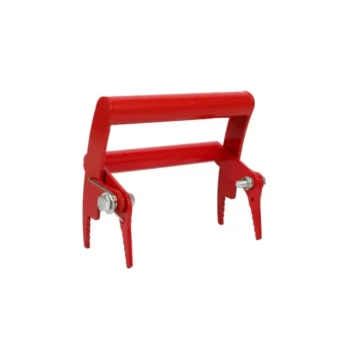
- Heavy-Duty Plier Action Frame Grip
- Precision Honey Refractometer Instrument for Quality Assessment
- Digital Honey Refractometer for Precision Measurement of Optimal Honey Quality
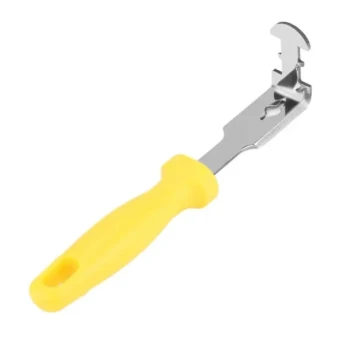
- Heavy Duty Stainless Steel Frame Cleaner with Plastic Handle
People Also Ask
- Why is a specific wooden frame required when installing a propolis screen? Optimize Your Propolis Harvest Efficiency
- What are the advantages of using propolis collector screens? Elevate Your Harvest to Pharmaceutical Purity
- How does the mesh size of a propolis collection screen influence the efficiency of propolis harvesting? Optimize Yields!
- How do commercial-grade plastic screens compare to custom fine-mesh screens? Maximize Your Propolis Yield & ROI
- What are the technical advantages of using specialized propolis collection screens? Maximize Purity and Efficiency