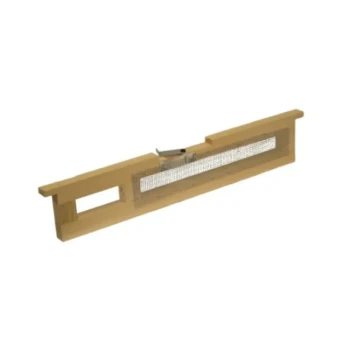
High-precision artificial insemination instruments are the only reliable mechanism to override the natural biological randomness of honeybee reproduction. Because honeybees naturally exhibit polyandry—mating with multiple drones in open air—breeders cannot control paternal inheritance without these tools; they allow technicians to inject semen from specifically selected drones into a queen under strictly controlled laboratory conditions.
The core value of high-precision instrumentation lies in converting bee breeding from a probability game into a controlled science, enabling precise pedigree management, the exclusion of unwanted genetics, and the preservation of rare or superior traits.
Overcoming Biological Constraints
Controlling Paternal Inheritance
In an open environment, a queen bee mates with numerous drones, making it impossible to know which drone fathered which offspring.
High-precision instruments solve this by allowing the breeder to manually select the sperm source. This capability is critical for establishing specific mating plans and ensuring that only the desired paternal genetics are introduced into the colony.
Preventing Hybrid Contamination
Natural mating exposes queens to drones from neighboring, unmanaged colonies, which can dilute specific genetic lines.
By utilizing artificial insemination (AI) in a closed setting, breeders effectively block "genetic noise" from external populations. This is essential for maintaining the purity of specific lines and preventing the loss of valuable local genetic resources.
Independence from Environmental Factors
Natural mating success is heavily dictated by weather; poor conditions can delay mating or result in poor fertilization.
High-precision instruments allow for full manual control regardless of external weather conditions. This ensures breeders can produce high-quality fertilized queens even during unfavorable seasons, such as early spring.
The Mechanics of Precision
Visual Accuracy and Safety
Successful insemination requires navigating complex anatomy to avoid injuring the queen.
A high-definition microscope (10x to 20x magnification) is a non-negotiable component of these high-precision systems. It provides the depth of field necessary to identify the valvefold, ensuring the insemination needle bypasses it to enter the median oviduct without causing physical trauma.
Thermal Regulation for Success
Temperature control is not merely a comfort factor; it is a biological necessity for fertilization success.
Advanced systems maintain a constant nest temperature of approximately 34°C. This specific thermal environment prevents physical shock to the queen and significantly increases the number of sperm that successfully migrate to the spermatheca for long-term storage.
Understanding the Trade-offs
The Requirement for Technical Expertise
While these instruments enable control, they demand a high level of operator skill.
The precision required to bypass the valvefold and manipulate the needle means that improper technique can easily result in physical injury to the queen. The tool is only as effective as the technician's ability to utilize the magnification and tactile feedback.
Biological Sensitivity
Artificial insemination is more invasive than natural mating.
If the temperature drops below the optimal threshold, sperm vitality decreases; if it rises too high, the queen suffers stress or injury. The "high precision" of the instrument is required specifically to mitigate these risks, meaning low-quality equipment will likely lead to breeding failure.
Making the Right Choice for Your Goal
Whether you are a commercial breeder or a researcher, the utility of these instruments changes based on your objective.
- If your primary focus is Conservation: You need these tools to prevent hybrid contamination and restore endangered native species, such as the Dark Bee (Apis mellifera mellifera).
- If your primary focus is Trait Development: You rely on this technology to stack specific genes, such as those for Varroa resistance, by ensuring specific drone lineage enters the selection line.
- If your primary focus is Research: You require high-precision AI to create consistent genetic backgrounds, ensuring that differences in experimental results are due to your variables, not random genetic interference.
High-precision instrumentation is the bridge between theoretical genetic goals and the biological reality of the hive.
Summary Table:
| Feature | Benefit | Technical Necessity |
|---|---|---|
| Paternal Control | Eliminates mating randomness | Enables precise pedigree and trait selection |
| Genetic Purity | Blocks hybrid contamination | Essential for conservation of rare or superior lines |
| Climate Independence | Mating in any weather | Ensures stable queen production across all seasons |
| Microscopic Accuracy | Prevents physical trauma | High-definition optics to safely navigate valvefold |
| Thermal Regulation | Maximizes sperm migration | Maintains 34°C to ensure high fertilization success |
Revolutionize Your Breeding Program with HONESTBEE
Precision is the difference between a random outcome and a scientific breakthrough. At HONESTBEE, we specialize in empowering commercial apiaries and distributors with the industry's most advanced high-precision artificial insemination systems and specialized beekeeping machinery.
Our comprehensive wholesale offering includes everything from hive-making and honey-filling machines to specialized laboratory equipment designed to help you scale your production and maintain genetic excellence. Whether you are focused on developing Varroa-resistant lines or conserving endangered species, our tools provide the control you need to succeed.
Ready to elevate your apiary's genetic potential? Contact us today to explore our wholesale equipment solutions and see how we can help you lead the industry.
References
- А. Н. Гулов, A. Brandorf. The honey bee <i>Apis mellifera L.</i> biodiversity in Russia and its preservation. DOI: 10.31043/2410-2733-2022-4-114-123
This article is also based on technical information from HonestBee Knowledge Base .
Related Products
- Queen Bee Artificial Insemination Instrument Equipment for Instrumental Insemination
- Stainless Steel Beekeeping Queen Grafting Tool for Honey Bee Rearing
- Plastic Beekeeping Honey Bee Larvae Grafting Tools for Queen Rearing and Chinese Grafting
- Plastic Handle Single Row Artificial Fiber Bee Brush
- Double Head Beekeeping Grafting Tools for Beekeepers
People Also Ask
- Why is maintaining sanitary conditions important during artificial insemination? Protect Your Queen from Fatal Infections
- Why are artificial insemination instruments critical in bee hybridization? Master Genetic Control & Pure Breeding
- What is the core value of bee artificial insemination instruments in breed improvement? Achieve Precise Genetic Control
- Why is professional bee artificial insemination equipment considered a core tool for genetic control in honeybee breeding? Ensure 100% Purity
- Why is high-purity CO2 used for queen bee artificial insemination? Unlock Precision Breeding & Faster Egg-Laying