High-sealing plastic bottles and ethanol preservatives are critical for field sampling because they immediately arrest biological activity and physically secure the sample during transport. By utilizing a 96% ethanol solution within a leak-proof container, researchers prevent tissue decomposition, ensuring that Nosema spores retain their structural integrity for accurate laboratory quantification.
Field data is only as reliable as the physical condition of the specimens upon arrival. The combination of secure sealing and high-grade chemical preservation is the only effective method to inhibit degradation, guaranteeing that laboratory results reflect the true infection levels at the moment of collection.
Preserving Biological Integrity in the Field
Immediate Fixation of Tissues
The moment a honeybee is collected, biological decomposition begins. The introduction of ethanol acts as an immediate fixative, stopping physiological processes and effectively killing the specimen at the collection site.
This rapid fixation is essential for large-scale sampling. It prevents the natural breakdown of the bee’s abdomen, which is the primary site of Nosema infection.
Inhibiting Bacterial Growth
Without a preservative, bacterial growth and enzymatic activity will destroy the sample. Ethanol creates an environment that inhibits biological degradation, ensuring the sample remains stable over time.
This protection is valid for several weeks, allowing ample time for transport from remote apiaries to the laboratory without data loss.
Maintaining Spore Structure
For Nosema specifically, the integrity of the spore is paramount. The primary reference highlights that 96% ethanol ensures the structural integrity of spores remains intact.
If the bee tissue degrades, the spores may become difficult to identify or count. Intact spores are required for the quantitative microscopic analysis used to determine infection severity.
Ensuring Data Accuracy During Transport
The Role of High-Sealing Bottles
The effectiveness of the ethanol is entirely dependent on it staying in the container. High-sealing plastic bottles are necessary to prevent the evaporation or leakage of the volatile ethanol solution.
If the seal fails, the ethanol concentration drops or disappears entirely. This would restart the decomposition process, rendering the sample useless before it reaches the lab.
Guaranteeing Quantitative Validity
The ultimate goal of field sampling is accurate data. The use of robust bottles and preservatives guarantees the accuracy of subsequent analysis, whether it be molecular detection or microscopic counting.
By removing the variable of sample degradation, researchers can be confident that the spore counts observed in the lab are accurate representations of the field conditions.
Understanding the Trade-offs
Ethanol Concentration Sensitivity
While the primary reference recommends 96% ethanol for optimal fixation and structural preservation, it is worth noting that lower concentrations (such as 75%) are sometimes used for general preservation.
However, relying on lower concentrations may be less effective for rapid, deep tissue fixation in large-scale operations. Sticking to higher concentrations (96%) provides the highest assurance of structural stability for Nosema spores.
Dependence on Physical Handling
Even the best high-sealing bottle can fail if improperly closed. The "high-sealing" designation refers to the bottle's capability, but operator error remains a risk.
In large-scale sampling, a single loose cap can compromise an entire data set. Rigorous checks of the bottle seals are just as important as the ethanol itself.
Making the Right Choice for Your Goal
Reliable Nosema quantification requires a protocol that prioritizes sample stability above all else.
- If your primary focus is quantitative microscopic accuracy: Prioritize the use of 96% ethanol to ensure maximum structural integrity of the spores for counting.
- If your primary focus is long-duration transport: Ensure your plastic bottles are rated as high-sealing to prevent evaporation of the preservative over several weeks.
Success in the laboratory is determined by the quality of preservation in the field.
Summary Table:
| Feature | Specification | Role in Nosema Sampling |
|---|---|---|
| Preservative | 96% Ethanol | Stops decomposition and maintains spore structural integrity. |
| Container Type | High-Sealing Plastic | Prevents evaporation and leakage of volatile preservatives. |
| Fixation Speed | Immediate | Halts biological activity at the point of collection. |
| Stability Duration | Several Weeks | Allows for long-distance transport from remote apiaries. |
| Primary Goal | Quantitative Accuracy | Ensures lab counts reflect true field infection levels. |
Secure Your Apiary’s Health Data with HONESTBEE
Precise Nosema monitoring is the backbone of a productive commercial apiary. HONESTBEE empowers commercial beekeepers and distributors with high-quality field sampling tools and specialized machinery designed for professional-scale operations.
From durable, leak-proof sampling supplies to advanced honey-filling and hive-making machines, we provide the comprehensive wholesale solutions you need to scale your business and maintain hive health.
Ready to upgrade your beekeeping equipment or restock essential consumables?
Contact HONESTBEE Today to Discuss Your Wholesale Needs
References
- Micaela Ceccotti, Agostina Giacobino. Dinámica estacional de Varroa destructor y Nosema sp en colonias de Apis mellifera en clima templado de Argentina. DOI: 10.30972/vet.3315889
This article is also based on technical information from HonestBee Knowledge Base .
Related Products
- Plastic Queen Bee Catcher Marker Tube Holder for Queen Marking Bottle
- Classic Beehive Honey Bottle Jar with Squeeze Dispenser Lid
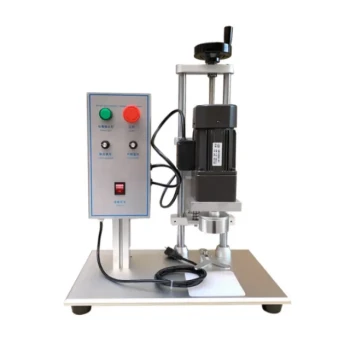
- Semi Automatic Electric Bottle Capping Machine
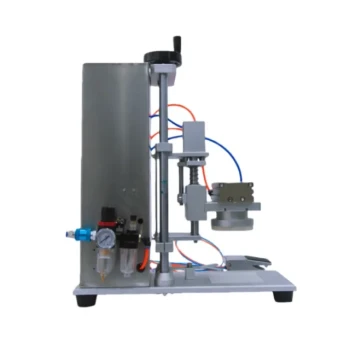
- HONESTBEE Professional Benchtop Pneumatic Bottle Capping Machine Capper
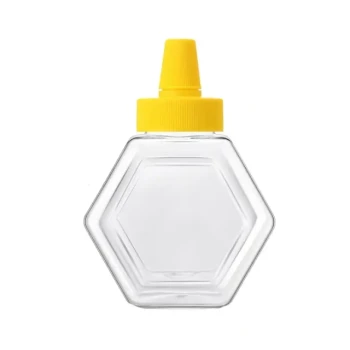
- Hexagonal Squeeze Honey Bottle with No Drip Lid
People Also Ask
- How does a queen marking tube facilitate the marking process? Enhance Safety and Precision in Your Apiary
- What tools are available for safely marking queens? A Guide to Secure and Efficient Queen Marking
- Where on the queen bee's body should the mark be applied? Master the Art of Safe Queen Identification
- What tools can be used to safely secure a queen bee while marking her? Top Solutions for Professional Beekeepers
- What are the primary objectives for marking a queen bee? Master Hive Management and Data Tracking