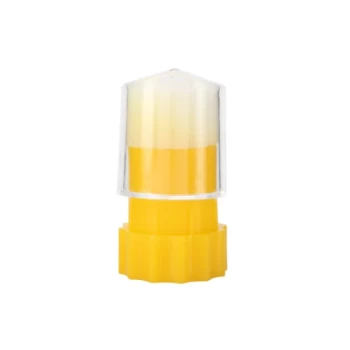
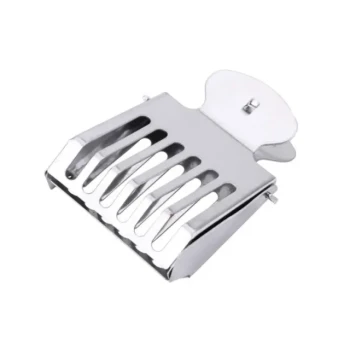
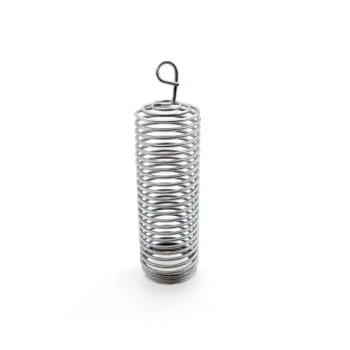
The primary objectives for marking a queen bee are to optimize colony management by rendering the queen instantly identifiable and establishing a reliable system for tracking her data. By applying a visual marker, beekeepers can significantly reduce the time required to locate the queen among tens of thousands of workers, while simultaneously creating a permanent record of her age and lineage. This practice is essential for distinguishing high-value breeder queens from natural replacements and for making informed decisions regarding colony productivity.
Marking a queen transforms her from a hidden element into a trackable asset. It serves as a visual verification system that allows for faster, less invasive inspections and provides immediate confirmation of colony stability and genetic integrity.
Enhancing Inspection Efficiency
Rapid Identification
The most immediate objective of marking a queen is visibility. In a colony teeming with up to 60,000 bees, finding a single queen can be like finding a needle in a haystack.
A bright, contrasting mark on the thorax makes the queen stand out instantly against the darker bodies of the worker bees. This allows the beekeeper to locate her within moments rather than minutes.
Minimizing Colony Disturbance
Speed is not just about saving time; it is about bee health. Because a marked queen is found faster, the hive remains open for a shorter duration.
Reducing the time a hive is open minimizes stress on the colony and prevents fluctuations in the hive's internal temperature and humidity. It allows inspections to be efficient and less disruptive to the bees' workflow.
Critical Data Tracking
Verifying Lineage and Identity
For professional operations managing high-value stock, knowing the queen's identity is non-negotiable. Marking confirms that the queen currently in the hive is the specific genetic line the beekeeper introduced.
If a hive contains an unmarked queen when a marked one was expected, the beekeeper knows immediately that the original queen is gone. This distinguishes a carefully selected breeder from a "supersedure" queen of unknown quality.
Age Determination
Marking is the standard method for tracking a queen's age. The industry typically uses specific paint colors or numbered stickers to correspond with different years.
Knowing the age is vital for predicting productivity. Younger queens are generally more prolific egg layers and produce stronger pheromones that maintain colony cohesion. Older queens may need to be replaced proactively before their performance declines.
Monitoring Colony Behavior
Detecting Supersedure
Supersedure occurs when the colony decides to replace their current queen with a new daughter. Without a mark, a beekeeper might not realize this replacement has happened.
If you open a hive and find an unmarked queen where a marked one used to be, you have positive confirmation that the colony has requeened itself. This alerts you to potential changes in the hive's temperament or productivity.
Identifying Swarming Events
Swarming involves the old queen leaving the hive with a portion of the workers. Finding an unmarked queen in a previously marked colony is a strong indicator that the hive has swarmed.
This visual cue helps the beekeeper understand the colony's history and current state without needing to witness the swarm event itself.
Understanding the Trade-offs and Risks
Risk of Physical Injury
The process of marking requires catching and restraining the queen, often by her legs or thorax. This carries a distinct risk of physical harm.
Applying too much pressure can crush the queen, and improper handling can damage her legs. Beekeepers often practice on drones first to master the delicate pressure required.
Potential for Rejection
The application of paint must be precise. If paint touches the queen's antennae, eyes, or wings, her sensory abilities may be impaired.
Furthermore, a clumsy application or a foreign scent can cause the colony to reject the queen. In severe cases, the workers may ball (suffocate) and kill a newly marked queen if they perceive her as damaged or foreign.
Making the Right Choice for Your Operation
Deciding to mark your queens depends on which management aspect matters most to your specific goals.
- If your primary focus is Efficiency: Prioritize marking to drastically cut down inspection times and reduce colony stress during hive checks.
- If your primary focus is Genetics: Use marking to ensure the queen in the box is the high-quality stock you purchased, not an accidental replacement.
- If your primary focus is Productivity: Rely on color-coded marking to track queen age, ensuring you replace queens before their egg-laying rates decline.
By treating the mark as a data point rather than just a visual aid, you gain precise control over the longevity and genetic quality of your apiary.
Summary Table:
| Objective | Key Benefit | Practical Application |
|---|---|---|
| Rapid Identification | Enhanced Efficiency | Locate the queen instantly among 60,000+ workers. |
| Age Tracking | Productivity Planning | Color-coded markers indicate birth year for proactive replacement. |
| Genetic Integrity | Lineage Verification | Confirm the queen is high-value stock, not a wild replacement. |
| Behavior Monitoring | Event Detection | Identify swarming or supersedure by the presence/absence of a mark. |
| Colony Health | Minimal Disturbance | Shorter inspection times reduce hive stress and temperature loss. |
Maximize Your Apiary Productivity with HONESTBEE
Efficient colony management starts with the right tools. At HONESTBEE, we specialize in supporting commercial apiaries and distributors with a full spectrum of professional beekeeping solutions. From high-precision queen marking supplies and beekeeping tools to industrial-grade honey-filling machines and hive-making hardware, our wholesale offering is designed to scale your operations.
Whether you are managing thousands of colonies or supplying the next generation of beekeepers, our comprehensive portfolio of machinery and essential consumables ensures your success.
Ready to elevate your beekeeping business? Contact us today to explore our wholesale catalog!
Related Products
- Plastic Long Marker Device for Catching and Marking Bees Queen Bee Marking Tube and Cage
- Queen Bee Marking Tube Cage Bottle Catcher Holder with Clear Plastic Plunger Marker
- Queen Bee Marking Pen UNI Medium Point for Queen and Bee Marking
- Queen Bee Marking Pen POSCA Queen Marking Pens for Beekeeping Bee Markers
- One Hand Yellow Queen Marking Catcher Tube Cage Beekeeper Tool Accessory for Queen Bee
People Also Ask
- Where on the queen bee's body should the mark be applied? Master the Art of Safe Queen Identification
- Why is the physical marking of a queen bee important? Ensure Precise Colony Replacement Cycle Tracking
- How do you capture and immobilize a bee for marking? Master Safe Queen Handling for Your Apiary
- What are the different methods for applying a mark to a queen bee? Master Safe and Effective Queen Marking Techniques
- What equipment is necessary for a beekeeper to mark a queen bee? Essential Tools for Safe Queen Identification