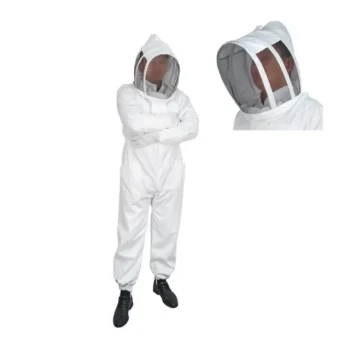
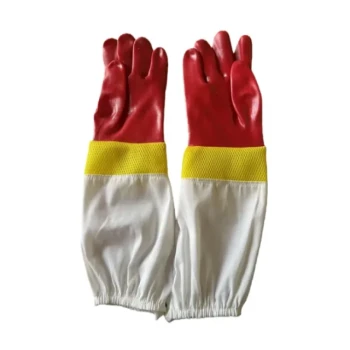
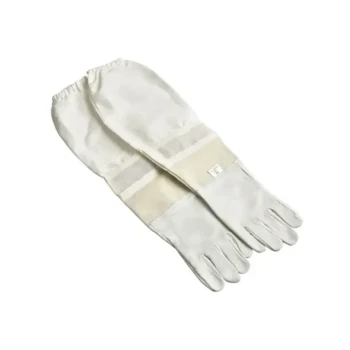
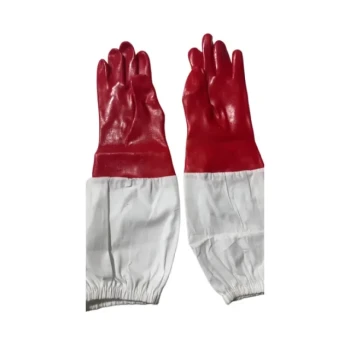
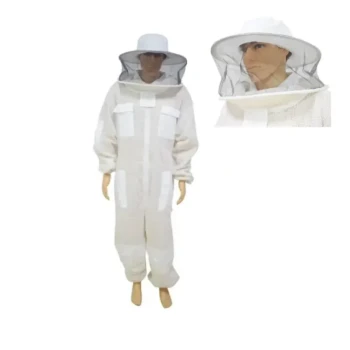
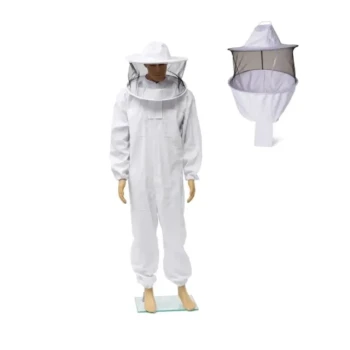
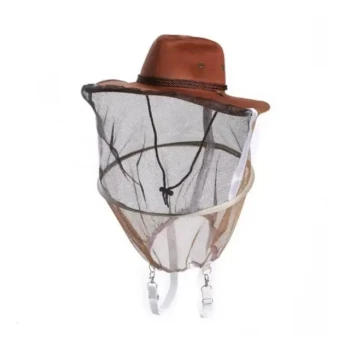
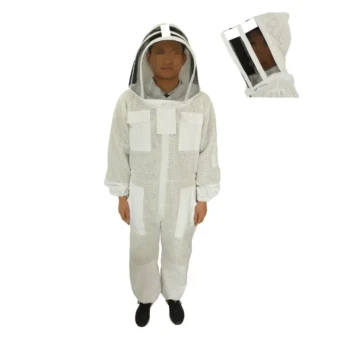
The mandatory use of industrial-grade protective gear constitutes a fundamental operational requirement for professional beekeeping. While its primary function is to serve as a robust physical barrier against stings and potentially severe allergic reactions, its critical role extends to stabilizing the operator’s psychological state to ensure technical precision during complex hive management.
Core Takeaway Protective suits and gloves do more than ensure physical safety; they function as essential psychological armor. By eliminating the immediate fear of injury, this equipment allows beekeepers to focus entirely on delicate, high-precision tasks necessary for colony health and operational continuity.
The Operational Impact of Protective Gear
Ensuring Psychological Stability
The primary non-physical benefit of professional gear is the maintenance of psychological stability. Beekeeping involves high-pressure tasks where calm, steady movements are critical.
Without the assurance of safety, the natural human reaction to defensive bee behavior—flinching or rushing—can lead to accidents. Protective gear neutralizes this fear response, allowing the operator to remain focused and deliberate.
Enabling Technical Precision
High-level apiary tasks, such as queen rearing, colony integration, and detailed inspections, require fine motor skills and patience.
By shielding the operator from pain and distraction, protective equipment serves as the foundation for technical precision. It ensures that delicate internal hive operations are performed correctly, preventing damage to the colony that might occur during rushed or panicked work.
Facilitating Operational Continuity
For an apiary to be viable, routine management must occur on a strict schedule, regardless of the colony's temperament.
Specialized gear ensures operational continuity, allowing beekeepers to work with aggressive colonies (such as Africanized honey bees) or during adverse conditions without interruption. It permits extended working periods that would be impossible without a comprehensive defensive barrier.
Strategic Advantages in Hive Management
Preventing Destructive Harvesting
When a beekeeper is inadequately protected, the urgency to finish the task quickly often leads to destructive harvesting methods.
Full-body protection allows for a slower, more methodical approach. This results in non-destructive harvesting, which preserves the structural integrity of the hive, improves honey quality, and ensures the long-term safety of the bee colony.
Encouraging Workforce Participation
The fear of being stung is the single largest barrier to entry for potential apiary workers.
High-quality Personal Protective Equipment (PPE) democratizes the profession. By effectively mitigating the risk of injury, it serves as essential hardware that encourages broader participation in daily management, regardless of an individual's initial comfort level with insects.
Understanding the Trade-offs of Specialized Gloves
The Dexterity Compromise
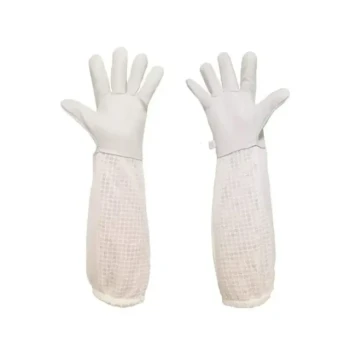
While gloves are often mandatory for safety, they introduce a significant trade-off regarding tactile sensitivity. Thick, puncture-resistant materials can impair coordination and reduce the feedback necessary to handle frames gently.
Risk of Accidental Harm
There is a paradoxical risk where heavy gloves may lead to clumsiness. A beekeeper unable to feel the bees may accidentally crush them while manipulating hive components.
While gloves increase operator confidence, they require the user to be hyper-aware of their movements to avoid inciting the very aggression they are trying to protect against.
Making the Right Choice for Your Goal
Protective gear is not a one-size-fits-all solution; it should be selected based on the specific operational context.
- If your primary focus is managing aggressive genetics: Prioritize maximum puncture resistance and comprehensive coverage to maintain safety and frequency of inspections.
- If your primary focus is delicate queen rearing: Consider lighter-weight, specialized gloves that offer a compromise between protection and the high dexterity required for fine manipulation.
- If your primary focus is training new personnel: Mandate full industrial-grade suits to build confidence and eliminate the psychological barrier of fear during the learning curve.
Ultimately, professional protective gear shifts the focus from personal survival to operational excellence, transforming a hazardous environment into a controlled workspace.
Summary Table:
| Key Benefit | Description | Operational Impact |
|---|---|---|
| Psychological Stability | Neutralizes fear response and flinching. | Ensures calm, steady movements during high-pressure tasks. |
| Technical Precision | Enables fine motor skills without distraction. | Critical for queen rearing, inspections, and colony integration. |
| Operational Continuity | Allows work regardless of colony temperament. | Facilitates management of aggressive bees and strict schedules. |
| Workforce Confidence | Lowers the barrier to entry for new staff. | Encourages broader participation and democratizes the profession. |
| Non-Destructive Work | Permits a slow, methodical approach. | Preserves hive structural integrity and improves honey quality. |
Elevate Your Apiary Safety with HONESTBEE
At HONESTBEE, we understand that professional-grade protection is the foundation of operational success. We provide commercial apiaries and distributors with a comprehensive wholesale selection of industrial-grade protective suits, specialized gloves, and high-precision beekeeping machinery.
Whether you are scaling your honey production with our automated filling machines or equipping a large-scale workforce, our premium hardware and consumables ensure your team remains safe and your colonies thrive. Contact us today to explore our wholesale offerings and see how our tailored equipment solutions can bring safety and efficiency to your business.
References
- Suraj P. Sharma. Factors affecting adoption of beekeeping and associated technologies in Kamrup (rural) district, Assam state, India. DOI: 10.15406/bij.2018.02.00069
This article is also based on technical information from HonestBee Knowledge Base .
Related Products
- Premium Cotton Beekeeper Suit with Reinforced Fencing Veil
- Beekeeping Gloves Goatskin Leather with Long Cotton Sleeve for Beekeepers
- Goat Skin Leather Bee Sting Proof Beekeeping Gloves with Canvas Sleeve
- Heavy Duty Red Rubber Beekeeping Gloves with Vented Mesh Cotton Sleeves
- Goatskin Leather Beekeeper Gloves with Vent Long Sleeve for Beekeeping Honey Bee Sting Proof Protection
People Also Ask
- What material and design specifications are recommended for a high-quality beekeeper suit? Top Gear Selection Guide
- How to Pre-treat Propolis Stains on Beekeeping Suits? Master Advanced Fabric Care and Soil Removal
- What features should be considered for sting protection in a beekeeping suit? Ensure Total Safety and Comfort
- What are the differences between full suits and jackets with veils in beekeeping? Choose Your Best Protection
- What features should be looked for in a beekeeping suit for maximum comfort? Prioritize Ventilation and Fit