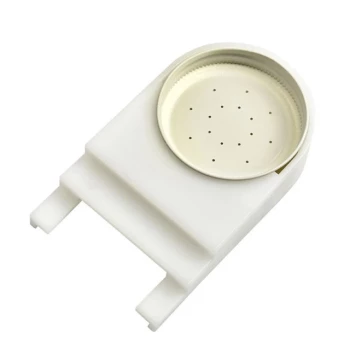
Internal or top feeders are preferred during a nectar dearth because they significantly minimize the risk of "robbing"—a situation where bees from competing colonies invade to steal resources. Unlike entrance feeders, which expose syrup at the hive’s threshold, internal feeders place food deep within the hive, making it accessible only to the resident bees.
Core Takeaway: During a dearth, the scent of syrup at the hive entrance acts as a beacon for robber bees. Moving the feed inside the hive forces intruders to bypass the colony's defensive line to reach the food, effectively securing the resource for the intended colony.
The Mechanics of Hive Defense
The Vulnerability of Entrance Feeders
Entrance feeders place sugar water or syrup directly at the hive's opening. This location is physically difficult for guard bees to defend because it sits on the perimeter of their territory.
Because the food source is essentially "outside" the main defensive line, it is highly accessible to foragers from other colonies. This exposure invites aggression and theft.
The Security of Internal Placement
Internal and top feeders are located deep within the hive body or directly above the brood nest. To access this food, a foreign bee must successfully infiltrate the hive and navigate past thousands of resident bees.
This placement ensures that the syrup remains the exclusive property of the resident colony. It removes the easy opportunity for theft that drives robbing behavior.
The Role of Scent and Attraction
Containing the Scent Signal
Bees locate food primarily through scent. An entrance feeder allows the smell of sugar syrup to drift on the wind, signaling a free meal to every colony in the vicinity.
Internal feeders contain the scent within the hive walls. By limiting the odor profile escaping the hive, you reduce the likelihood of attracting scout bees from other apiaries.
The Danger of Feeding Frenzies
Once robbing begins, it can trigger a frenzy that is difficult to stop. This leads to the loss of expensive resources and can result in significant bee mortality due to fighting.
By using internal feeders, you prevent the initial trigger event. This maintains the peace and prevents the resident colony from being overwhelmed by superior numbers.
Common Pitfalls to Avoid
The Risk of Aromatic Additives
A critical mistake during a dearth is adding aromatic oils or stimulants to the syrup. Supplementary references indicate that these strong scents make the sugar water significantly more enticing.
Using these additives during a shortage acts as a "super-stimulant" for robber bees, triggering frenzies even if you are careful. It is safer to use plain sugar syrup until a natural nectar flow resumes.
Misunderstanding Guard Bee Limitations
Beekeepers often overestimate the ability of a colony to defend its entrance. During a dearth, desperate foragers from other colonies become bolder and more aggressive.
Relying on guard bees to protect an entrance feeder is a strategic error. The structural advantage must be shifted in their favor by moving the food source behind their defensive line.
Making the Right Choice for Your Goal
- If your primary focus is Colony Survival: Use internal or top feeders exclusively to prevent starvation without inviting attacks.
- If your primary focus is Disease Prevention: Avoid entrance feeders, as robbing bees can introduce pathogens from other colonies while stealing syrup.
- If your primary focus is Feeding Stimulants: Do not use aromatic supplements during a dearth; save these for periods when natural nectar is available to avoid triggering a robbing frenzy.
Secure your resources inside the hive to ensure your bees, not their neighbors, benefit from your investment.
Summary Table:
| Feeder Type | Placement | Robbing Risk | Defense Level | Scent Leakage |
|---|---|---|---|---|
| Entrance Feeder | Hive Threshold | High | Low (Outer Perimeter) | High (Attracts Scouts) |
| Internal Feeder | Inside Hive Body | Low | High (Behind Guard Bees) | Contained |
| Top Feeder | Above Brood Nest | Very Low | Maximum | Minimal |
Secure Your Apiary with Professional-Grade Feeding Solutions
Don't let your investment vanish during a nectar dearth. HONESTBEE specializes in supporting commercial apiaries and distributors with high-performance beekeeping tools and machinery. Whether you need high-capacity top feeders, automated honey-filling machines, or durable hive-making equipment, we provide the comprehensive wholesale solutions your business requires.
Protect your colonies and maximize efficiency with industry-leading hardware and consumables. Contact our expert team today to discuss bulk pricing and specialized equipment tailored for your operation.
Related Products
- Professional In-Hive Bee Feeder HONESTBEE Frame for Beekeeping
- HONESTBEE Entrance Bee Feeder Professional Hive Nutrition Solution for Beekeeping
- In-Hive Dual Compartment Frame Bee Feeder for Targeted Colony Nutrition
- White Plastic 0.5L Beekeeping Entrance Feeder for Bees
- HONESTBEE Entrance Bee Feeder Efficient Hive Front Liquid Feeding Solution for Beekeeping
People Also Ask
- When should beekeepers stop feeding their bees? Let Your Bees Tell You
- Why is the use of a beekeeping feeder for syrup supplementation important? Boost Colony Growth and Survival
- What are the common types of internal and external feeders used in beekeeping? Choose the Right Feeder for Your Hive
- What is a feeder in the context of beekeeping? Optimize Your Hive Nutrition and Growth
- How do specialized feeders contribute to effective artificial feeding? Scientific Apiary Management & Colony Health