Monitoring and security facilities form the backbone of sustainable large-scale beekeeping by directly mitigating critical risks such as theft, parasite outbreaks, and sudden weather shifts. These systems protect high-value breeding colonies and ensure stable honey production, making the ease of their installation and maintenance a deciding factor in site selection and long-term operational viability.
Core Insight: In large-scale operations, security is not just about fences; it is about risk management and data integrity. These facilities provide the physical defense necessary to protect capital assets while establishing the controlled environment needed for accurate ecological monitoring.
Asset Protection and Operational Stability
Mitigating Financial Loss
The primary function of these facilities is physical defense. Commercial beekeeping involves high-value assets, specifically breeding colonies, which are prime targets for theft.
Without robust security personnel or surveillance systems, remote apiaries are vulnerable. A single theft event can destabilize the entire production chain.
Rapid Response to Environmental Threats
Monitoring systems are essential for detecting parasite infestations and responding to sudden weather changes.
Large-scale colonies are densely populated, meaning disease spreads rapidly. Real-time monitoring allows for immediate intervention, preventing localized issues from becoming apiary-wide disasters.
Ensuring Stable Production
The ultimate goal of these protections is stable honey production. By neutralizing external threats before they escalate, the colony preserves energy for foraging and brood rearing.
This stability is critical for forecasting yields and meeting commercial contracts.
The Role of Standardization in Monitoring
Creating Consistent Control Variables
Beyond physical security, standardized facilities act as scientific instruments. They provide consistent control variables across multiple sites.
Because the internal space and structure of the hives are uniform, operators can exclude interference factors caused by variations in the immediate living environment.
Accurate Ecological Analysis
This standardization enables precise analysis of external pressures. When the hive structure is constant, changes in colony health can be attributed to specific factors like land-use changes, pesticide pressure, or floral resource availability.
This transforms the apiary from a simple production site into a reliable ecological sampling point.
Understanding the Trade-offs
Installation Complexity vs. Operational Cost
While robust facilities are necessary, they introduce a conflict between security capability and cost efficiency.
The primary reference notes that the "ease of installation directly impacts the long-term operational costs." Selecting a site that requires complex, expensive security infrastructure may erode profit margins over time.
Balancing Accessibility and Defense
Highly secure sites are often difficult to access. This can complicate logistics for legitimate personnel.
You must balance the need for isolation (to prevent theft and vandalism) with the need for regular access for maintenance, harvesting, and manual health checks.
Making the Right Choice for Your Goal
To maximize the effectiveness of your colony distribution, prioritize your infrastructure based on your specific objectives:
- If your primary focus is Commercial Production: Prioritize sites where security installation is cost-effective to protect high-value breeding stock from theft and weather events.
- If your primary focus is Ecological Research: Prioritize standardized housing and strict site controls to eliminate environmental variables and ensure data accuracy regarding pesticide and land-use impacts.
Success in large-scale beekeeping depends on treating your facilities as both a fortress for your assets and a laboratory for your data.
Summary Table:
| Feature | Primary Benefit | Importance in Large-Scale Ops |
|---|---|---|
| Surveillance Systems | Theft Prevention | High: Protects high-value breeding assets and capital. |
| Real-time Sensors | Pest & Weather Detection | High: Allows for rapid response to disease or climate shifts. |
| Standardized Housing | Data Consistency | Medium: Eliminates variables for accurate ecological analysis. |
| Physical Fencing | Risk Management | High: Prevents vandalism and unauthorized site access. |
| Ease of Installation | Cost Efficiency | Medium: Reduces long-term operational and setup expenses. |
Elevate Your Commercial Apiary with HONESTBEE
At HONESTBEE, we understand that large-scale beekeeping requires more than just bees—it requires a secure, high-tech infrastructure. We specialize in supporting commercial apiaries and distributors by providing a comprehensive wholesale range of beekeeping tools, industrial machinery, and essential consumables.
Whether you need specialized hardware like honey-filling machines to streamline production, or high-quality hive-making equipment to ensure standardized monitoring, our portfolio is designed to maximize your efficiency and security.
Ready to scale your operations with industry-leading equipment? Contact HONESTBEE Today to learn how our wholesale solutions can protect your investment and stabilize your production.
References
- Atanas Z. Atanasov, Ivan Georgiev. EVALUATION OF THE PLACES FOR CREATION OF APIARIES AND OPTIMAL DISTRIBUTION OF THE BEE COLONIES. DOI: 10.35633/inmateh-65-39
This article is also based on technical information from HonestBee Knowledge Base .
Related Products
- High Security Emlock Strap System
- Beehive Entrance Reducer Guardian Metal Hive Entrance for Bees
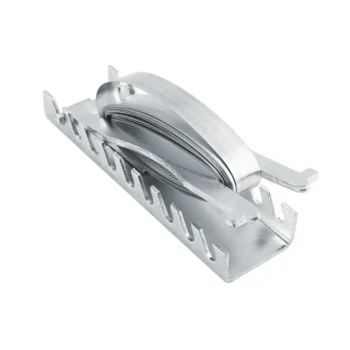
- Steel Round Disc Entrance Reducer for Flexzion Bee Hive Nuc Box Gate
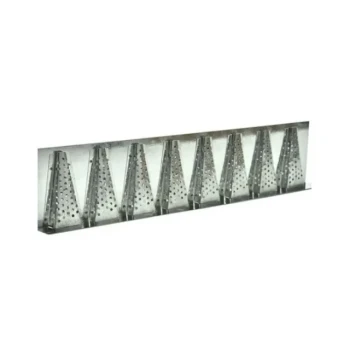
- 8-Cone Galvanized Steel Bee Robber Guard
- Multi-Functional Sliding Hive Entrance for Beekeeping
People Also Ask
- What are the types of Emlocks available? Choose the Right Strap for Hive Security
- How does the performance of ratchet straps compare to cam buckle straps for securing beehives? Expert Comparison Guide
- What role do standardized beehive fastening and protective consumables play? Secure Colonies Against Natural Disasters
- What are the two styles of hive straps? Choose the Right Strap for Your Hive Security
- How should hive straps be stored? Prevent Tangles & Extend Strap Life