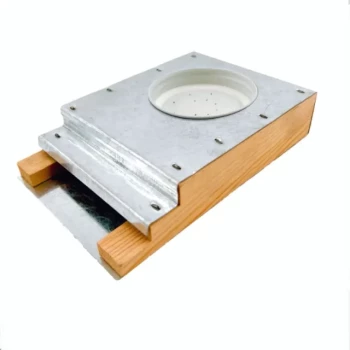
Professional feeding consumables serve as essential nutritional insurance for honeybee colonies when natural resources are unavailable or insufficient. By supplementing hives with high-purity energy feeds and protein, commercial beekeepers replace harvested honey stores, ensuring colonies maintain the metabolic energy required for thermoregulation and the physiological strength needed for future production cycles.
The Core Insight In commercial operations, the harvesting of honey creates an artificial resource deficit that must be corrected to prevent colony collapse. Professional feeding is not merely a backup measure; it is a fundamental operational requirement to maintain brood rearing, heat balance, and population density during non-foraging periods.
Managing Energy Reserves for Winter Survival
Replacing Harvested Resources
In intensive commercial beekeeping, the honey accumulated during flowering periods is typically harvested for sale. This removal necessitates the immediate introduction of high-concentration sucrose syrup or specialized energy feeds. These inputs effectively replace the natural carbohydrate stores the colony would otherwise rely on.
Fueling Thermoregulation
The primary function of supplementary energy sources during winter is maintaining the heat balance of the bee cluster. Worker bees consume these carbohydrates to generate metabolic heat through muscle vibration. Without adequate high-energy feed, the cluster cannot sustain the temperatures required for survival.
Preventing Energy Depletion
Non-foraging periods can last for several months, requiring a sustained release of energy. Supplemental feeds ensure that worker bees do not exhaust their metabolic reserves before natural nectar becomes available again. This intervention directly prevents colony collapse due to starvation or freezing.
Sustaining Colony Strength and Physiology
Maintaining Brood Consistency
Protein supplements are critical for maintaining consistent brood rearing when natural pollen is scarce. By providing these nutrients artificially, beekeepers ensure the colony continues to produce new generations of bees. This prevents a dangerous population drop-off during dearths.
Supporting Glandular Health
Nutritionally balanced supplements are designed to support the development of the hypopharyngeal glands in worker bees. These glands are essential for producing the royal jelly and brood food required to feed larvae. Proper glandular development is directly linked to the overall health and lifespan of the colony members.
Preparing for High-Intensity Pollination
Commercial operations often require colonies to be at peak strength before natural forage is available, such as for almond pollination. Artificial feeding maintains "vital signs" and population size during the off-season. This ensures the colony has the physiological resilience required for high-intensity work immediately upon release.
Operational Considerations and Trade-offs
Addressing Nutritional Gaps
While natural pollen is ideal, specific plant species may produce pollen that lacks essential amino acids or lipids. Relying solely on natural foraging during minor flows can lead to malnutrition. Professional consumables allow beekeepers to correct these specific imbalances artificially.
The Cost of Continuity
The application of feeds represents a significant operational cost and labor effort. However, this investment is a trade-off against the much higher cost of losing colonies or missing early-season pollination contracts. The "insurance" cost is generally lower than the replacement cost of the livestock.
Making the Right Choice for Your Goal
To maximize the efficacy of your feeding program, align your inputs with your specific operational phase.
- If your primary focus is overwintering survival: Prioritize high-concentration carbohydrate syrups to maximize energy storage for thermoregulation and heat balance.
- If your primary focus is spring build-up: Shift focus to protein supplements and artificial pollen to stimulate hypopharyngeal gland development and accelerate brood rearing.
Successful commercial beekeeping relies on proactively closing the gap between what the environment provides and what the colony requires to thrive.
Summary Table:
| Feeding Type | Primary Function | Key Benefit for Commercial Apiaries |
|---|---|---|
| Sugar Syrups | Energy Replacement | Fuels thermoregulation and prevents starvation after honey harvest. |
| Protein Supplements | Brood Support | Maintains population density and supports hypopharyngeal gland health. |
| Artificial Pollen | Nutrient Balance | Corrects amino acid deficiencies and prepares bees for early pollination. |
Secure Your Apiary’s Future with HONESTBEE
Maintaining a thriving commercial apiary requires more than just luck—it demands the right tools and nutritional support. At HONESTBEE, we understand the unique pressures faced by commercial beekeepers and distributors. We provide a comprehensive wholesale portfolio ranging from high-purity feeding consumables to advanced honey-filling machines and hive-making equipment.
Whether you are scaling your operation or supplying the industry, our premium beekeeping machinery and essential consumables ensure your colonies remain resilient during non-foraging periods and peak pollination seasons alike. Let us help you optimize your production and protect your livestock investment.
Ready to elevate your beekeeping business? Contact HONESTBEE Today for Wholesale Solutions
References
- Nathalie Steinhauer, Claude Saegerman. Prioritizing changes in management practices associated with reduced winter honey bee colony losses for US beekeepers. DOI: 10.1016/j.scitotenv.2020.141629
This article is also based on technical information from HonestBee Knowledge Base .
Related Products
- HONESTBEE Round Hive Top Bee Feeder for Syrup
- HONESTBEE Entrance Bee Feeder Professional Hive Nutrition Solution for Beekeeping
- HONESTBEE Entrance Bee Feeder Efficient Hive Front Liquid Feeding Solution for Beekeeping
- Professional Hive Top Bee Feeder for Beekeeping
- White Plastic 0.5L Beekeeping Entrance Feeder for Bees
People Also Ask
- What can the round hive top feeder be used for? A Guide to Efficient, Safe Bee Feeding
- What types of hive boxes is the round hive top feeder compatible with? Universal Fit for 8 & 10-Frame Langstroth Hives
- What is the capacity of the round hive top feeder for syrup and pollen? A Guide to Targeted Apiary Support
- What types of feed can be used with the round hive top feeder? Versatile Feeding for Optimal Apiary Health
- What are the different types of top feeders for bees? Choosing the Best Feeder for Your Apiary