Scalpels and precision tweezers are the primary instruments for ensuring anatomical accuracy during the preparation of honey bee samples for disease analysis. Their specific function is to physically isolate the abdomen from alcohol-preserved bees, removing the head and thorax which are generally devoid of the target pathogens. This separation is vital because it limits the sample to the digestive tract, where Nosema parasites are biologically localized.
The use of these tools changes the sample from a general insect slurry into a targeted diagnostic tissue, significantly concentrating the detection area and removing non-relevant biological interference.
Targeting the Infection Site
Locating the Pathogen
To analyze bee health effectively, you must understand where the disease resides. Nosema parasites primarily inhabit the digestive tract of the honey bee.
The Critical Role of the Midgut
Specifically, these parasites colonize the midgut. This organ is located entirely within the abdomen of the bee.
The Mechanics of Isolation
Precision tweezers are used to stabilize the alcohol-preserved specimen. Simultaneously, the scalpel is used to sever the connections between the thorax and the abdomen, isolating the midgut for processing.
Enhancing Sample Quality
Concentrating the Target
If you were to process the entire bee, the presence of the head and thorax would dilute the sample. By removing these parts, you effectively concentrate the "target detection area."
Removing Biological Noise
The head and thorax contain muscle, exoskeleton, and other tissues that do not host Nosema. Including them adds unnecessary bulk to the mixture.
Optimizing Downstream Processing
When the sample moves to the grinding and suspension phases, clarity is key. Removing non-relevant parts ensures the suspension contains the highest possible ratio of potential pathogens to insect tissue.
Understanding the Trade-offs
The Risk of Manual Error
While these tools provide precision, they rely on the operator's steady hand. Improper cutting can accidentally rupture the midgut, potentially losing valuable sample material before it is processed.
Time vs. Accuracy
Manual dissection with scalpels and tweezers is more time-consuming than bulk processing. However, this time investment is a necessary trade-off to ensure the biological relevance of the data collected.
Ensuring Protocol Success
To get the most out of your analysis, match your dissection technique to your specific diagnostic goals.
- If your primary focus is Sensitivity: Prioritize the cleanest possible cut between the thorax and abdomen to maximize the concentration of midgut tissue in your final suspension.
- If your primary focus is Workflow Efficiency: Establish a consistent mechanical routine for gripping with tweezers and cutting with scalpels to minimize fatigue and error during high-volume batch processing.
Precision at the dissection stage is the single most important variable for accurate pathogen detection later in the process.
Summary Table:
| Tool Type | Primary Function in Dissection | Impact on Sample Quality |
|---|---|---|
| Scalpels | Precise separation of thorax and abdomen | Eliminates non-relevant tissue and concentrates pathogens |
| Precision Tweezers | Stabilization of alcohol-preserved specimens | Prevents accidental midgut rupture and maintains anatomical integrity |
| Combined Use | Targeted isolation of the digestive tract | Reduces biological noise and optimizes downstream processing |
Elevate Your Apiary Research with HONESTBEE Professional Tools
Precision at the dissection stage is the foundation of accurate disease management. At HONESTBEE, we empower commercial apiaries and distributors with the high-quality tools needed for rigorous diagnostic workflows.
Our extensive portfolio includes:
- Specialized Dissection Hardware: High-grade scalpels and precision tweezers for laboratory analysis.
- Beekeeping Machinery: From hive-making to automated honey-filling machines.
- Full-Spectrum Supplies: A comprehensive wholesale offering of tools, equipment, and industry consumables.
Whether you are scaling a commercial operation or supplying the industry, HONESTBEE provides the reliability and technical edge your business demands. Contact us today to explore our wholesale solutions!
References
- Cristina Gabriela MATHE, Daniel Severus Dezmirean. Effects of Increasing Levels of Anthropization and Land Use on Nosema spp. Spore Loads. DOI: 10.15835/buasvmcn-asb:2024.0026
This article is also based on technical information from HonestBee Knowledge Base .
Related Products
- Plastic Beekeeping Honey Bee Larvae Grafting Tools for Queen Rearing and Chinese Grafting
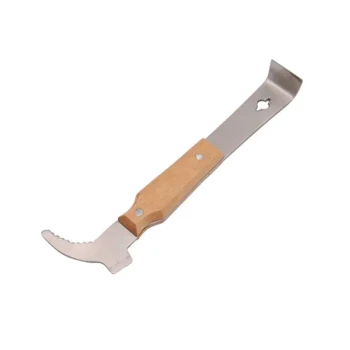
- HONESTBEE Professional Multi-Functional Hive Tool with Ergonomic Wood Handle
- Double Head Beekeeping Grafting Tools for Beekeepers
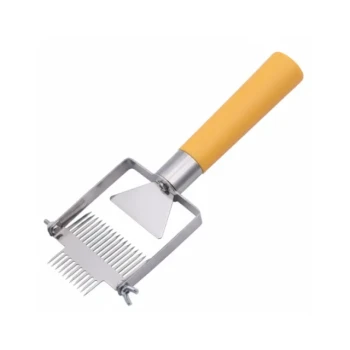
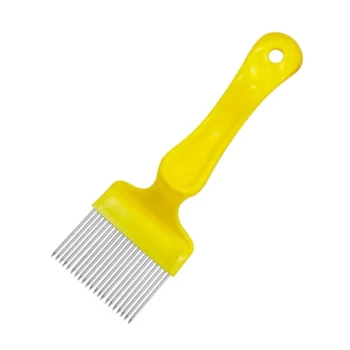
- Double Sided Adjustable Honey Uncapping Fork with Plastic Handle
- Professional Wide Blade Honey Scraper for Beekeeping and Honey Processing
People Also Ask
- How do larvae grafting tools and royal jelly production kits contribute to a diversified bee product strategy?
- What happens if a larva is grafted too late? Avoid Scrub Queens and Failed Rearing
- What is the primary function of a Professional Bee Larvae Grafting Tool in queen rearing? Enhance Breeding Efficiency
- What is the grafting method of queen rearing? Master Controlled Queen Production for Your Apiary
- What is the primary function and technical requirement of a larvae grafting tool? Master Precision Queen Rearing