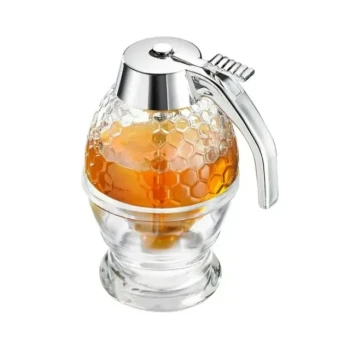
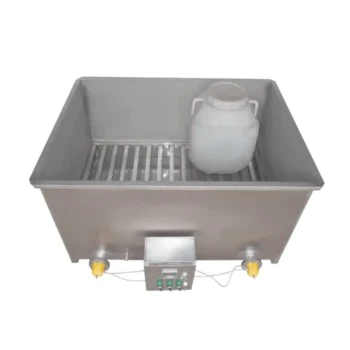
Specialized honey pumps and syringes are the industry standard for Kelulut honey because they allow for precise, non-destructive extraction from individual cerumen pots. Unlike traditional honeybees that use open combs, stingless bees (Kelulut) store honey in delicate, sealed pots made of propolis and wax. Utilizing suction-based equipment ensures the honey remains free from microbial contamination and hive debris while maintaining the structural integrity of the colony for future production.
The use of specialized extraction technology is a critical differentiator that elevates Kelulut honey from a local craft product to a premium, export-ready commodity. By prioritizing non-destructive harvesting, producers ensure a stable supply chain and a final product that meets rigorous global purity standards.
Overcoming the Structural Challenges of Stingless Bee Hives
The Unique Architecture of Cerumen Pots
Stingless bees do not build hexagonal wax combs; instead, they store honey in small, egg-shaped cerumen pots made of a mixture of beeswax and resin. These pots are scattered and integrated into the hive’s complex internal structure, making traditional centrifugal extraction impossible.
Precision Piercing and Extraction
Specialized syringes and vacuum pumps allow harvesters to precisely pierce only the mature, sealed pots. This targeted approach prevents the widespread rupture of neighboring pots, which would otherwise lead to wasted honey and a sticky, unhygienic environment within the hive.
Protecting the Brood and Larvae
Traditional "crush and strain" or hive-inversion methods risk damaging the delicate brood cells and harming the larvae. Non-destructive suction technology ensures the core hive structure remains intact, protecting the next generation of bees and maintaining the colony's population density.
Ensuring Premium Product Purity and Hygiene
Elimination of External Impurities
Manual handling and gravity-based pressing expose raw honey to airborne contaminants and moisture. Specialized pumps create a closed-loop system that moves honey directly from the cerumen pot to the collection vessel, effectively preventing the introduction of dust, hair, or microbial pathogens.
Preventing Pollen and Propolis Contamination
When honey pots are crushed manually, pollen and excess propolis often leach into the honey, significantly altering its flavor profile and clarity. Suction-based harvesting extracts the honey while leaving the pot walls intact, ensuring the original purity and tart flavor profile of the Kelulut honey is preserved.
Compliance with RTIQ Standards
For B2B distributors, meeting Technical Identity and Quality (RTIQ) standards is essential for market entry. Mechanized extraction is the most reliable way to ensure the honey remains a "clean" product that passes strict laboratory testing for impurities and fermentation markers.
Economic Impact on Supply Chain Stability
Faster Colony Recovery Times
When a hive is damaged during harvesting, the bees must divert energy from foraging to repairing the wax structures. By using non-destructive pumps, the bees can return to honey production almost immediately, leading to more frequent harvest cycles and a more predictable supply for wholesalers.
Reducing Pest Attraction
Traditional harvesting methods often result in honey leakage, which releases strong scents that attract hive pests and predators. Specialized equipment minimizes spills, maintaining long-term colony stability and reducing the risk of total hive loss due to infestation.
Standardizing the Bulk Product
For distributors, consistency is key. Mechanized harvesting, often paired with low-temperature vacuum concentration equipment, allows producers to standardize the moisture content and enzyme stability of large batches, making the product more viable for long-distance shipping and retail shelf life.
Understanding the Trade-offs
Initial Investment vs. Product Value
While specialized vacuum pumps and medical-grade syringes require a higher initial capital outlay compared to manual tools, the reduction in labor costs and the increase in product grade usually result in a higher ROI. Manual harvesting is slower and results in a lower-quality product that often cannot command premium B2B prices.
Technical Expertise Requirements
Operating industrial-grade suction equipment requires specialized training to avoid over-suctioning, which can stress the bees. However, this expertise is exactly what defines a professional-tier supplier in the modern honey market, separating high-volume exporters from hobbyist producers.
How to Apply This to Your Sourcing Strategy
Selecting the Right Partner for Your Goal
When evaluating Kelulut honey suppliers, their harvesting and processing methodology should be a primary filter for your procurement team.
- If your primary focus is Premium Retail Branding: Prioritize suppliers who use medical-grade syringes or specialized pumps to ensure the highest possible clarity and purity for high-end consumers.
- If your primary focus is Supply Chain Reliability: Look for partners with mechanized suction setups, as these operations typically yield more consistent harvest volumes and faster recovery times for the colonies.
- If your primary focus is International Export: Only source from producers who utilize closed-system extraction and vacuum concentration to ensure the honey meets global moisture and hygiene standards.
By insisting on specialized harvesting technology, distributors secure a high-quality, ethically sourced product that satisfies both the demands of the modern consumer and the requirements of international trade.
Summary Table:
| Feature | Traditional (Crush & Strain) | Specialized Pump/Syringe | Benefit for Distributors |
|---|---|---|---|
| Hive Integrity | Destroys cerumen pots/brood | Non-destructive extraction | Faster recovery & stable supply |
| Product Purity | High risk of pollen/debris | Closed-loop, zero contact | Premium, export-ready quality |
| Efficiency | Labor-intensive & slow | Rapid, mechanized suction | Lower labor costs & higher ROI |
| Contamination | Exposure to air/pathogens | Minimal microbial risk | Compliance with RTIQ standards |
Scale Your Honey Business with HONESTBEE Professional Equipment
As a global leader in beekeeping solutions, HONESTBEE provides commercial apiaries and distributors with the specialized tools needed to succeed in the premium honey market. Our one-source catalog features everything from honey-filling machines and hive-making hardware to essential industry consumables.
Why Partner with Us?
- Comprehensive Portfolio: Full-spectrum supply of beekeeping machinery and tools.
- B2B Reliability: Ultra-fast delivery and efficient order fulfillment to keep your supply chain moving.
- Expert Support: Deep industry expertise to help you select the right technology for Kelulut and traditional honey production.
- Maximize Margins: High-performance equipment designed to improve product grade and reduce waste.
Ready to elevate your sourcing strategy? Contact our wholesale specialists today to discuss our OEM/ODM support and competitive wholesale offerings!
References
- Yee Mun Chin, Mahmud Iwan Solihin. Kelulut stingless bee honey stored under different thermal conditions: Non-destructive assessment. DOI: 10.21603/2308-4057-2026-1-656
This article is also based on technical information from HonestBee Knowledge Base .
Related Products
- Honey Convey Pump Screw Honey Pump for Viscous Liquid
- Honey Convey Pump Economy Gear Pump for Viscous Liquid
- Premium Diamond-Faceted Glass Honey Dispenser
- Honeycomb Style Drip Free Honey Dispenser
- Automatic Honey Filling and Filtering Machine for Beekeeping Bottle Filling
People Also Ask
- How do modern technologies and machinery benefit honey extraction? Elevate Efficiency & Product Quality
- What are the different types of honey pumps available? Manual vs. Electric Pumps for Beekeeping Efficiency
- What is the role of honey pumps in honey processing? Preserve Quality and Boost Efficiency
- Why are honey pumps considered essential in the honey transfer process? Streamline High-Viscosity Liquid Handling
- What types of pumps are used in honey processing systems? Optimize Your Production with the Right Technology