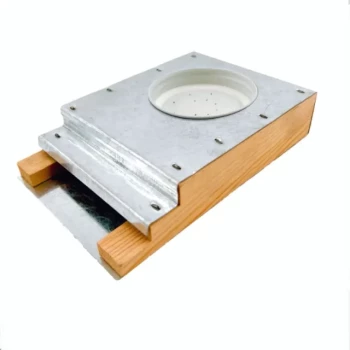
Syrup feeders are utilized primarily to provide essential artificial energy compensation to honeybee colonies during periods when natural nectar is scarce. By introducing a regulated supply of sugar syrup, these devices bridge nutritional gaps that typically occur during early spring or late autumn, preventing colony starvation.
Syrup feeders do more than prevent starvation; they function as a biological trigger. By simulating a natural nectar flow, they stimulate queen productivity and foraging behavior while serving as a highly efficient delivery vehicle for therapeutic and nutritional supplements.
Bridging the Nutritional Gap
Combating Seasonal Scarcity
Honeybee colonies are vulnerable when natural resources are unavailable. Syrup feeders are essential tools during early spring and late autumn when natural nectar sources are insufficient to sustain the hive’s metabolic needs.
Simulating Natural Nectar Flow
The utility of a feeder lies in its ability to mimic nature. By precisely regulating the feeding frequency, an apiarist can simulate a natural nectar flow.
This artificial abundance tricks the colony into behaving as if it were peak season. It prevents the metabolic slowdown that usually accompanies resource scarcity.
Stimulating Biological Functions
Triggering Queen Productivity
The perception of resource availability helps dictate the colony's growth cycle. The simulated flow from a syrup feeder stimulates the queen to lay eggs.
This is critical for building colony population numbers ("brood buildup") ahead of the main honey flow. Without this artificial stimulation, the colony might remain dormant too long and miss the productive window.
Maintaining Worker Drive
Feeders ensure that the workforce remains active and energized. The steady supply of carbohydrates maintains the foraging drive of worker bees, even when external forage is poor.
This energy surplus is also directed toward hive maintenance. It provides the fuel necessary for bees to build propolis envelopes and process stores for winter survival.
Syrup as a Delivery Vehicle
Enhancing Supplement Uptake
Beyond simple caloric energy, syrup feeders are utilized as an efficient delivery mechanism. A 1:1 ratio sucrose syrup acts as a highly effective carrier for other additives.
Apiarists use this liquid medium to deliver high-concentration protein supplements and postbiotic products. Because the bees are naturally driven to consume the sugar, they inadvertently consume the necessary medicinal or nutritional additives.
Uniform Dispersal
The liquid format ensures that supplements do not remain localized. Through the bees' natural food-sharing behavior (trophallaxis), the syrup ensures additives are uniformly dispersed throughout the entire colony.
This allows for rapid uptake and precise dosage control, which is particularly vital in large-scale commercial apiary environments.
Understanding the Trade-offs
The Risk of Imbalance
While syrup provides energy, it is not a complete nutritional profile. Relying solely on syrup without monitoring protein (pollen) intake can lead to a colony that is "energy rich" but biologically malnourished, potentially affecting brood health.
Timing is Critical
Feeders must be managed carefully regarding the calendar. stimulating egg-laying too early in winter can lead to a population explosion before the weather is warm enough to support them, causing the colony to starve or freeze.
Making the Right Choice for Your Goal
To maximize the effectiveness of syrup feeders, align your usage with your specific colony management objectives.
- If your primary focus is Colony Buildup: Prioritize consistent, regulated feeding in early spring to stimulate the queen and trigger rapid egg-laying.
- If your primary focus is Health Supplementation: Utilize a 1:1 syrup ratio as a carrier to ensure rapid, uniform uptake of proteins and postbiotics.
- If your primary focus is Winter Preparation: Use feeders in late autumn to ensure the colony has sufficient carbohydrate stores to survive the cold.
Strategic use of syrup feeders transforms them from simple emergency rations into a powerful lever for controlling colony growth and health.
Summary Table:
| Benefit Category | Primary Function | Key Outcome |
|---|---|---|
| Nutritional Support | Bridge gaps in nectar scarcity | Prevents colony starvation during off-seasons |
| Biological Stimulus | Mimic natural nectar flow | Triggers queen egg-laying and rapid brood buildup |
| Health Delivery | Carrier for liquid supplements | Uniform dispersal of protein and postbiotic additives |
| Workforce Drive | Provides metabolic energy | Maintains foraging activity and hive maintenance energy |
Elevate Your Commercial Apiary with HONESTBEE
Maximize your colony productivity and streamline your supplementation process with premium equipment from HONESTBEE. As a leading provider for commercial apiaries and distributors, we offer a comprehensive wholesale range designed for efficiency and scale.
Our value to your business:
- Complete Equipment Solutions: From specialized syrup feeding systems and hive-making machinery to advanced honey-filling lines.
- Essential Consumables: A wide array of industry-standard supplies to keep your operations running smoothly.
- Cultural Merchandise: Unique honey-themed products to diversify your retail portfolio.
Ready to scale your beekeeping operations with a partner you can trust? Contact HONESTBEE today to discuss our wholesale offerings and how we can support your growth.
References
- Maggie Shanahan, Marla Spivak. Thinking inside the box: Restoring the propolis envelope facilitates honey bee social immunity. DOI: 10.1371/journal.pone.0291744
This article is also based on technical information from HonestBee Knowledge Base .
Related Products
- HONESTBEE Round Hive Top Bee Feeder for Syrup
- HONESTBEE Entrance Bee Feeder Efficient Hive Front Liquid Feeding Solution for Beekeeping
- Automated Rotary Bottle Unscrambler for Honey Production Line
- Professional Hive Top Bee Feeder for Beekeeping
- HONESTBEE Professional Hive Top Bee Feeder Feeding Solution
People Also Ask
- What can the round hive top feeder be used for? A Guide to Efficient, Safe Bee Feeding
- What is the capacity of the round hive top feeder for syrup and pollen? A Guide to Targeted Apiary Support
- What types of hive boxes is the round hive top feeder compatible with? Universal Fit for 8 & 10-Frame Langstroth Hives
- What types of feed can be used with the round hive top feeder? Versatile Feeding for Optimal Apiary Health
- How do you use a top feeder for bees? Expert Guide to Installation and High-Volume Hive Feeding